


INDUSTRY : Sodecoton Accelerates Its Local Cotton Transformation Strategy

(LVDE) – In Cameroon, the Cotton Development Corporation (Sodecoton) initiated a new stage of its industrial strategy in May 2026 with the establishment of a textile processing unit. The decision, endorsed by its Board of Directors, is accompanied by the appointment of two senior officials tasked with overseeing the project. The initiative aims to strengthen the cotton value chain in the northern regions of the country, support local industrialization, and enhance the competitiveness of the national agricultural and textile sectors.
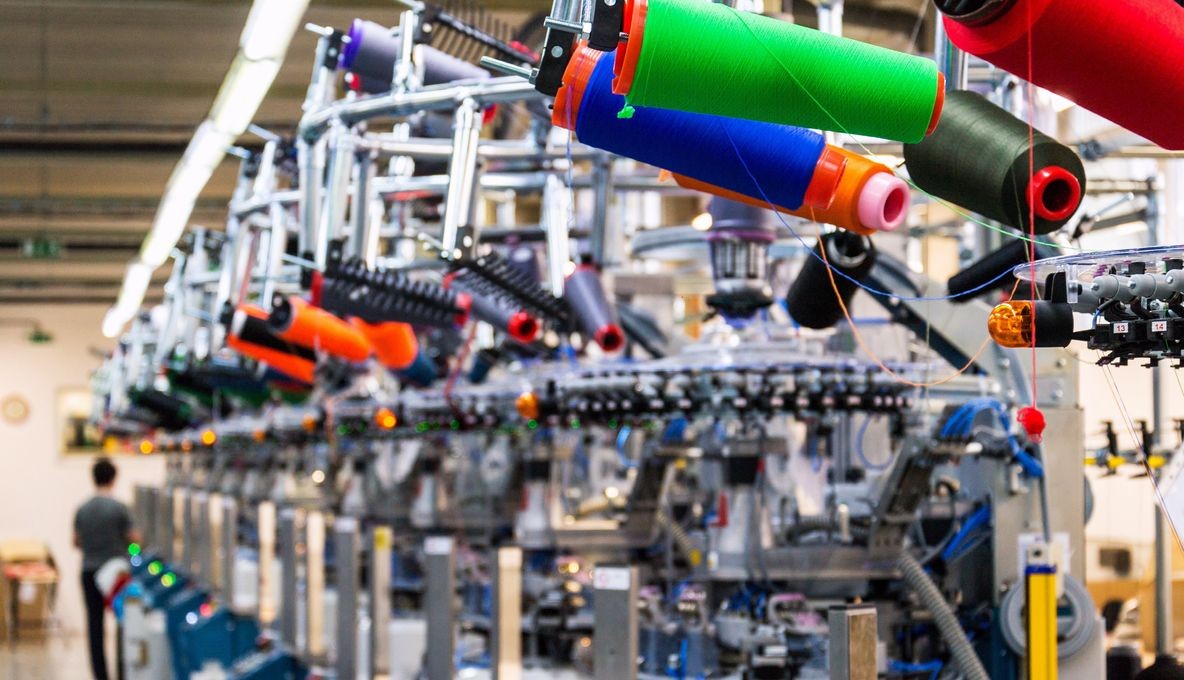
In the cotton-producing areas of northern Cameroon, the industrial momentum driven by Sodecoton is taking on a new dimension. The state-owned company, a central actor in the cotton industry, is now entering a more integrated phase of development, marked by a strategic shift toward processing a larger share of its output domestically rather than exporting it in raw form.
In May 2026, the Board of Directors approved the implementation of a textile processing unit project, alongside the appointment of two managers responsible for its operational coordination. This decision is part of a broader strategy to move up the value chain, increase local value addition, and structure an industrial ecosystem around Cameroonian cotton.
Currently, Cameroon produces an average of several hundred thousand tons of seed cotton per campaign, a significant portion of which is still exported after ginning. According to sector data from agricultural and industrial reports, local processing capacity remains limited, reducing direct economic benefits for producing areas. Sodecoton’s stated objective is therefore to strengthen industrial capacities in order to progressively increase the share of local transformation.
The planned textile unit is expected to produce semi-finished and finished fabrics for both domestic consumption and regional export markets. This orientation is aligned with a broader economic diversification strategy, as the agricultural sector remains one of the key pillars of Cameroon’s economy. It also reflects the authorities’ ambition to reduce dependence on exports of unprocessed raw materials.
The cotton sector represents a major source of employment and income in the North, Far North, and Adamawa regions, where several hundred thousand producers depend directly on this crop. Sector estimates indicate that Sodecoton oversees a vast network of farmers, contributing to the socio-economic stability of these rural areas. The integration of a textile unit is seen as an additional lever for value creation and industrial job generation.
From an industrial perspective, this project comes amid a continental push to strengthen local value chains. Several African countries are investing in cotton processing to develop competitive textile industries and reduce reliance on imported finished garments. Cameroon is aligning with this trend, aiming to progressively build a more robust national textile ecosystem.
However, the effective implementation of this unit will depend on several factors, including infrastructure financing, energy availability, workforce training, and production cost competitiveness. Logistical and industrial challenges remain significant, but both the authorities and Sodecoton’s management are banking on a gradual and structured approach.
In this transition phase, the appointment of the two project managers marks a key operational milestone. Their role will be to coordinate technical studies, engage partners, and ensure the monitoring of industrial implementation. Through this initiative, Sodecoton seeks to strengthen its position as an integrated player in Cameroon’s cotton-to-textile value chain.


 La voix des entreprises
 Tressy CHOUENTE

 Anatole Bidias