

ENERGY : Socadel, Cameroon’s new public electricity operator

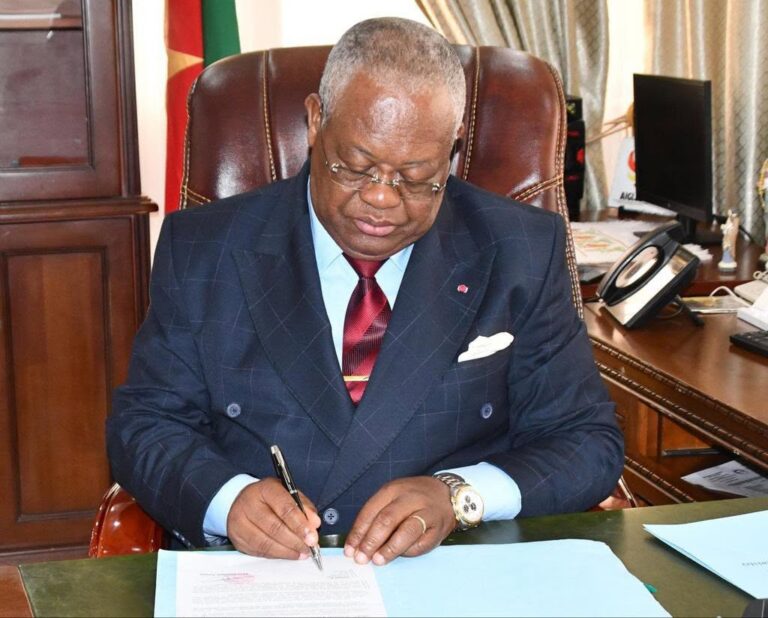
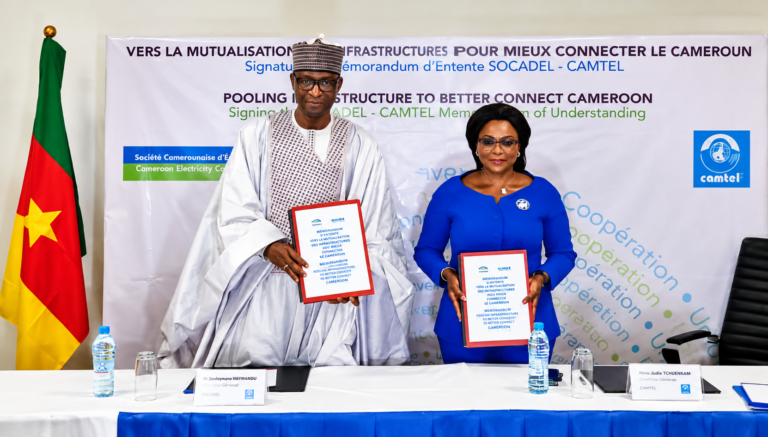
(LVDE) – On May 4, 2026, the President of the Republic of Cameroon formalized the transformation of Eneo into the Cameroon Electricity Company (Socadel), a fully state-owned public enterprise. With a share capital of 43.9 billion FCFA following the buyout of stakes held by the British fund Actis, the new entity inherits an electricity sector weakened by production deficits, rising urban demand, and major governance and investment challenges.
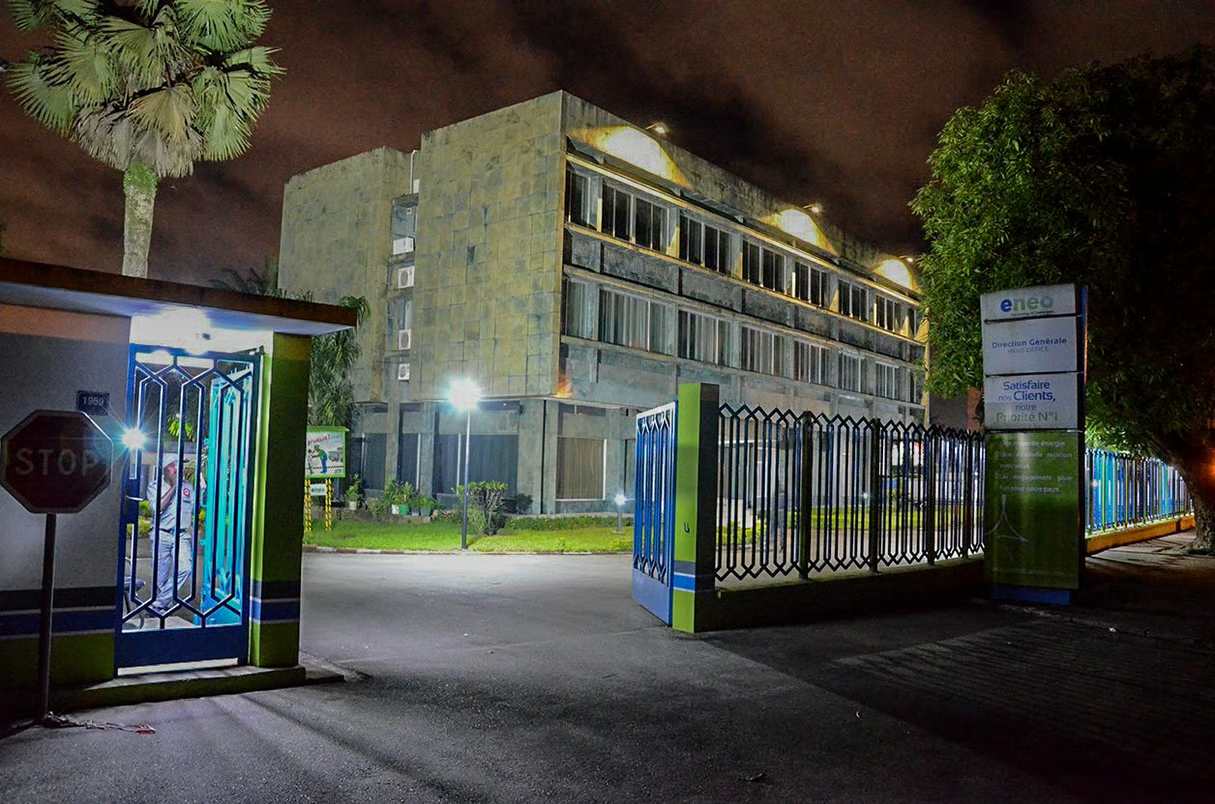
Former Eneo headquarters in Douala
In Cameroon, the name change goes far beyond a simple administrative adjustment. By officially becoming the Cameroon Electricity Company, known as Socadel, the former Eneo closes a more than twenty-year chapter marked by private shareholders in the capital of the country’s historic electricity operator. The decree signed on May 4, 2026 by the President of the Republic thus enshrines the full return of the State to the control of a sector considered strategic for national economic sovereignty.
This transformation comes less than three months after the settlement, on February 10, 2026, of the 78 billion FCFA paid to the British fund Actis for the acquisition of its 51% stake in Eneo. That transaction had already raised the State’s ownership to 95%, with the remaining 5% allocated to employees of the company, before the legal shift to a fully public entity. The new statutes now set Socadel’s share capital at 43.9 billion FCFA, with the Cameroonian State as sole shareholder.
Inside the company’s offices in Douala, this transition is being observed with both caution and expectation. Technical and administrative teams inherit an electricity system marked by persistent imbalances. According to several sector analyses, national generation capacity fluctuates around 1,500 MW, while demand regularly exceeds 1,800 MW during peak periods, particularly in the industrial hubs of Douala and Yaoundé. This chronic shortfall has fueled recurrent power outages affecting households and businesses for several years.
Beyond renationalization, the government aims to open a new governance cycle. The board of directors appointed by presidential decree brings together several senior figures from the country’s economic and energy administration, including Antoine Ntsimi, former President of the CEMAC Commission, appointed as Chairman of the Board. He is joined by representatives of the Presidency of the Republic, key economic ministries, Sonatrel, and EDC. This structure reflects the authorities’ intention to improve coordination among public actors in the electricity value chain. Sources: Presidential decree of May 4, 2026; Ministry of Energy.
However, behind the institutional ambition lie significant structural challenges. Before its transformation, Eneo was already facing substantial debt, high technical losses, and massive investment needs in transmission and distribution infrastructure. According to some sector estimates, technical and commercial losses still account for between 20% and 25% of electricity injected into the national grid. This is compounded by aging equipment and growing demographic pressure in urban centers.
For Yaoundé, the creation of Socadel also carries political significance. By fully regaining control of the former Eneo, the State aims to demonstrate its capacity to restore stability to a public utility that has become central to the country’s industrialization agenda. Yet Cameroon holds hydroelectric potential estimated at more than 20,000 MW of exploitable capacity, among the largest in Central Africa. However, delayed investments and governance challenges in the sector have long limited the optimal use of this resource.
The issue of management remains open. The new statutes provide that the Chief Executive Officer and their deputy will be appointed by the Board of Directors on the proposal of the sole shareholder. This marks a decisive step for a company now placed under the direct responsibility of the State, which must prove that renationalization can deliver more than a legal rebranding: a tangible improvement in service quality and a genuine revival of the national electricity sector.

 Esther Grâce
 La voix des entreprises