

STEEL INDUSTRY : Metafrique Steel suspends operations after a fire in Douala

(LVDE) – Metafrique Steel SA has announced the temporary shutdown of its plant located in Douala, in the Bassa industrial zone, following a fire that broke out on the night of April 30 to May 1, 2026. The incident, linked to a production accident, left several people seriously injured, currently receiving treatment in medical facilities in the economic capital. An investigation has been launched to determine the exact causes of the blaze.
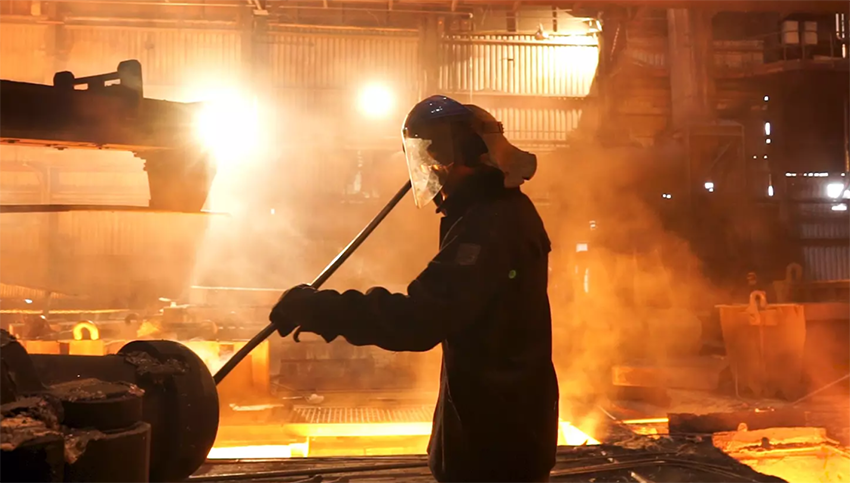
In the Bassa industrial zone in Douala, Metafrique Steel SA’s steel production activities have come to an abrupt halt. In an official statement, the company confirmed the temporary closure of its site after a fire erupted at the core of its production system. The incident, described as an “unforeseeable accident with damaging consequences,” prompted an immediate response from internal teams, emergency services, and administrative authorities.
According to initial reports, the fire is believed to have originated in a production unit where metals are exposed to extremely high temperatures, likely at the furnace level. No definitive official casualty report has yet been released, but several serious injuries have been reported, some of them critical. The victims were evacuated to hospitals in Douala, where they are receiving intensive care. The company has also put in place psychological support measures for employees and affected families.
In its statement, Metafrique Steel’s management indicated that emergency protocols were immediately activated, including alerting the relevant authorities and securing the industrial site. The temporary shutdown of the plant is intended to allow for internal crisis management and to facilitate investigative operations. Production activities will remain suspended until the findings of the ongoing inquiry are made public.
Authorities have opened an investigation to determine the exact circumstances of the incident. At this stage, no official cause has been confirmed, although industrial sources suggest a possible technical failure within the smelting installations. Such incidents highlight the inherent risks associated with heavy industries, where extreme temperatures and the handling of recycled raw materials require stringent safety standards.
Metafrique Steel SA, a subsidiary of an Indian-origin industrial group, specializes in the production of reinforcing steel from recycled ferrous scrap. The company operates within an industrial ecosystem dominated by a handful of major players in Cameroon’s metallurgical sector, including Prometal, Aciéries du Cameroun, Alucam, and Proalu. These companies are grouped under the Cameroon Organization of Metal Processing Industries (OCITRAM), which structures a significant portion of the national value chain.
According to sector data, Cameroon’s steel industry relies heavily on the local processing of imported or collected scrap metal, a model that supports industrial activity but also exposes production units to elevated technical risks. Issues such as industrial safety, equipment maintenance, and workforce training are regularly emphasized as strategic priorities.
This incident occurs at a time when metal processing industries represent a key pillar of the country’s manufacturing economy, contributing significantly to the supply of materials for the construction sector. The temporary suspension of Metafrique Steel’s operations could impact the local supply chain for reinforcing steel, although no official estimate of the losses has yet been released.
The coming days will be crucial in understanding the true causes of the accident and assessing the conditions for a safe resumption of operations. In the meantime, the site remains under surveillance as authorities continue their investigations.

 Esther Grâce
 La voix des entreprises