

AGRO-FOOD : Opalm Accelerates Its Expansion in Cameroon with a New 9 Billion FCFA Oil Mill

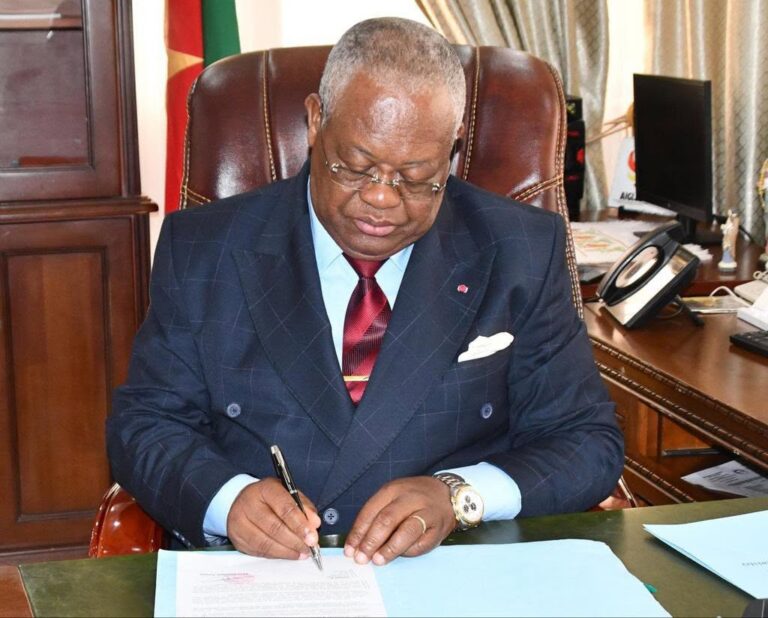
(LVDE) – On April 8, 2026, in Lengué, Mbanga Subdivision (Littoral), the Minister of Agriculture and Rural Development, Gabriel Mbairobe, presided over the groundbreaking ceremony for a new Opalm oil mill. This 9 billion FCFA project aims to boost local palm nut processing, create jobs, and reduce Cameroon’s dependence on imported oil.
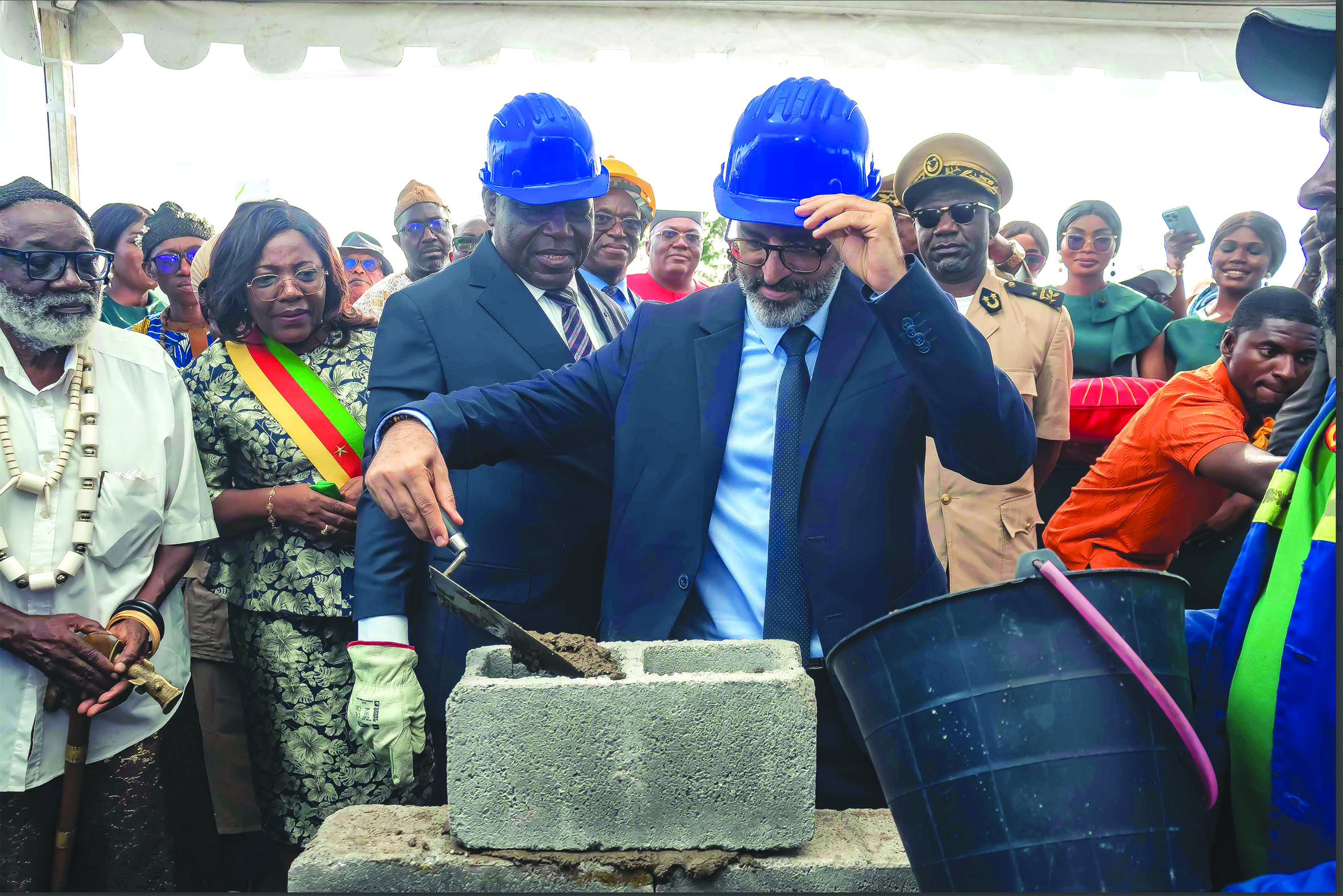
Under a scorching sun, Lengué hosted a landmark event for Cameroon’s palm oil sector. Administrative authorities, local officials, investors, and palm growers attended the launch of Opalm’s new industrial unit, demonstrating the company’s concrete commitment to local agricultural value chain development.
The oil mill, with an investment of 9 billion FCFA, will have an annual processing capacity of 25,000 tonnes of palm fruit bunches. It is expected to create more than 340 direct and indirect jobs and inject around 5 billion FCFA annually into the local economy, notably through the purchase of raw materials from local producers. The project forms part of a broader agricultural industrialization strategy, aiming to sustainably structure the value chain.
This initiative also addresses Cameroon’s reliance on refined palm oil imports. Despite favorable agricultural conditions, national production remains below an estimated annual demand of over 400,000 tonnes, according to the Ministry of Agriculture and FAO. Local processing thus represents a strategic lever for improving the trade balance.
The Mbanga oil mill is part of Opalm’s larger investment program, which plans five industrial units nationwide with a total investment of 45 billion FCFA over five years. Since 2024, the company has collected more than 100,000 tonnes of palm fruit bunches in the Moungo area, paying over 8.5 billion FCFA to local growers.
Beyond industrial development, Opalm seeks to improve agricultural yields by supporting producers to increase output from 500 kg to nearly 2 tonnes of oil per hectare—a 400% increase. This boost aims to enhance productivity and farmers’ incomes while reducing post-harvest losses.
Minister Gabriel Mbairobe’s presence highlights the government’s support for public-private partnerships in agriculture. The project aligns with the National Development Strategy 2030 (SND30) and the Integrated Agro-Pastoral and Fisheries Import-Substitution Plan, both promoting local processing and value creation.
Ultimately, the Lengué oil mill is expected to reshape Moungo’s economic ecosystem, providing stable markets for growers and stimulating local activity. By combining production, processing, and technical support, Opalm positions itself as a key driver of the sector in a competitive environment that increasingly emphasizes food sovereignty.

 La voix des entreprises
 Esther Grâce