


FROZEN FISH : Cameroon’s Import Bill Reaches CFAF 231 Billion in 2025

(LVDE) – On April 1, 2026, the National Institute of Statistics (INS) published Cameroon’s foreign trade data for 2025. Despite a slight increase in domestic production, frozen fish imports reached CFAF 230.8 billion, marking a 38% rise compared to 2024. This trend, observed nationwide, reflects strong domestic demand for fishery products.
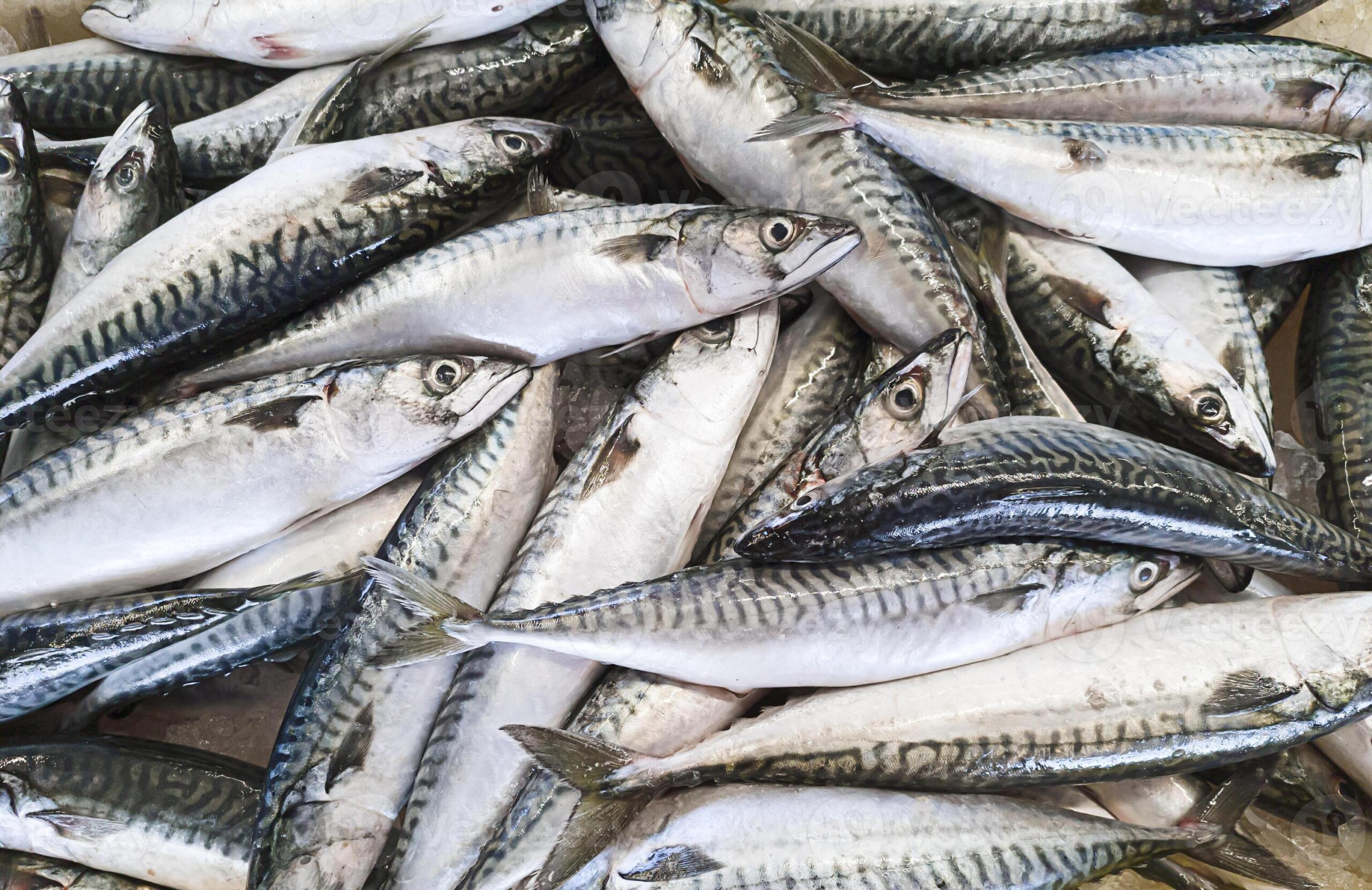
Cameroon’s imported fish market is experiencing an unprecedented surge. According to INS data, frozen fish import volumes climbed to 267,259 tons in 2025, up from 207,092 tons a year earlier—an increase of more than 60,000 tons. This sharp rise in demand, coupled with an additional financial burden of CFAF 63.5 billion, highlights the ongoing struggle of local production to meet consumer needs, estimated at between 480,000 and 500,000 tons annually.
Data from the Ministry of Finance (Minfi) had already pointed to this trend, with import values rising by 45.5% at mid-year, mainly driven by a 27.3% volume effect. Domestic consumption therefore remains the primary driver of this dependence on imports, despite notable efforts to boost national production.
On the ground, however, local output is showing encouraging signs. According to the Ministry of Livestock, Fisheries and Animal Industries (Minepia), national supply reached 197,842 tons by the end of September 2025, representing a 5% year-on-year increase. Capture fisheries continue to dominate production with 184,656 tons, while aquaculture is the fastest-growing segment, rising by 22% to 13,186 tons. Despite these gains, domestic output remains insufficient to reduce the country’s structural reliance on international markets.
Over the past five years, cumulative fish import costs have exceeded CFAF 760 billion for more than one million tons, underscoring the scale of the structural deficit. In response, the government has intensified import-substitution efforts. Minepia is promoting the development of fish farms through floating cages and above-ground tanks, upgrading equipment, and building dedicated markets for fish preservation and distribution.
These measures aim to strengthen local production, reduce import dependency, and curb rising external trade expenditures. However, challenges remain significant: domestic demand continues to grow rapidly, while structural transformation of the sector requires substantial investment and stronger coordination between public and private stakeholders.
The 2025 figures highlight a sector at a strategic crossroads, caught between improving domestic production and sustained pressure from imports. The success of import-substitution policies will be crucial in balancing supply and reducing the external bill in the years ahead.


 La voix des entreprises
 Esther Grâce