

BANKING & FINANCE : BGFIBank Group Targets 15 New International Markets by 2030

(LVDE) – Driven by the consolidation of its key markets and an ambitious growth strategy, BGFIBank Group is set to enter a new phase of international expansion. The financial institution aims to establish a presence in at least 15 countries by 2030, leveraging digitalization, the strengthening of its subsidiaries, and increased sectoral diversification.
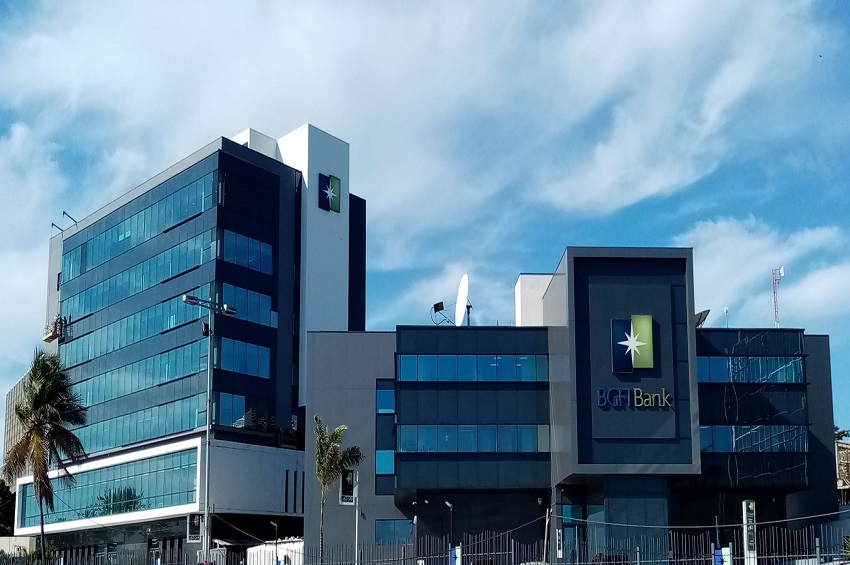
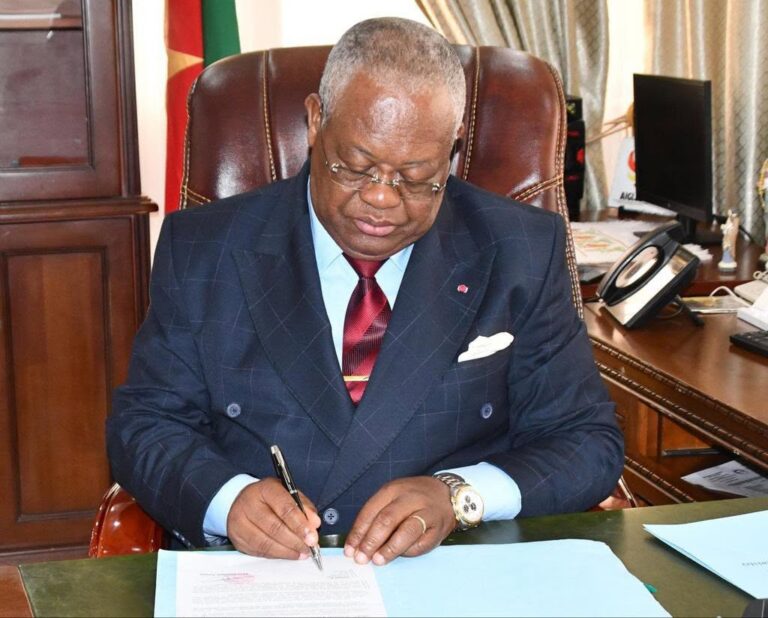
BGFIBank confirms its ambition to assert itself as a leading pan-African banking player. Already operating in Central Africa, West Africa, Madagascar, and Europe, the group plans to accelerate its geographic expansion in the coming years. According to CEO Henri-Claude Oyima, new branches are planned both on the African continent and in Europe, with the goal of reaching at least 15 countries by 2030.
This strategy is built on a solid foundation provided by its already extensive network. The group has operations in key economies including Gabon, its headquarters, Cameroon, the Democratic Republic of Congo, Congo, Equatorial Guinea, and the Central African Republic. Activities in West Africa include Benin, Côte d’Ivoire, and Senegal, complemented by a presence in Madagascar and France. This network forms a strategic base for supporting the next phase of growth.
To sustain this momentum, BGFIBank is focusing on strengthening its main development hubs, particularly Gabon, Cameroon, Côte d’Ivoire, and the DRC. These markets concentrate the majority of planned investments under the “BGFI 2030” strategic plan. The aim is to increase the operational capacity of subsidiaries while tailoring their market positioning to local economic realities. The group is prioritizing high-potential sectors such as mining in the DRC, agribusiness in Cameroon and Côte d’Ivoire, and infrastructure and technology in Gabon.
Simultaneously, the bank has significantly reinforced its capital base to support this expansion. In Cameroon, the subsidiary’s capital increased from 20 to 50 billion FCFA, while in Côte d’Ivoire it rose from 40 to 60 billion FCFA. In Europe, BGFI Bank has also strengthened its financial foundation with a capital increase of €60 million. This financial reinforcement aims to enhance project financing capacity and support local economic development.
The growth strategy also relies on mobilizing resources from financial markets. A stock market listing raised approximately 45 billion FCFA, supplementing internal funding. However, according to management, this initial public offering represents only the first stage of a gradual financing process, based on solid fundamentals and controlled risk management.
In a context where the African banking sector is undergoing rapid transformation, driven by digitalization and increased competition, BGFIBank seeks to establish itself as a benchmark institution. According to the African Development Bank, the banking penetration rate in Sub-Saharan Africa remains below 50%, highlighting substantial growth potential for financial institutions that can innovate and broaden their service offerings.
Through this expansion strategy, the group aims not only to strengthen its international footprint but also to contribute to financing African economies. By diversifying its markets and consolidating its capacities, BGFIBank positions itself at the center of the continent’s economic transformation dynamics.
Tressy Chouente

 La voix des entreprises
 Esther Grâce