

DOUALA BONABERI PORT : CCA Bank and CCA Bourse Set to Mobilize 63 Billion FCFA for the Power Plant

(LVDE) – As part of the energy development and autonomy strategy of the Autonomous Port of Douala, CCA Bank and its subsidiary CCA Bourse are playing a central role in structuring a local financing package of 62.9 billion FCFA. This facility, designed to complement an international debt currently under arrangement, aims to support the construction of a 300 MW gas-fired power plant and a strategic gas pipeline linking Kribi to the economic capital.
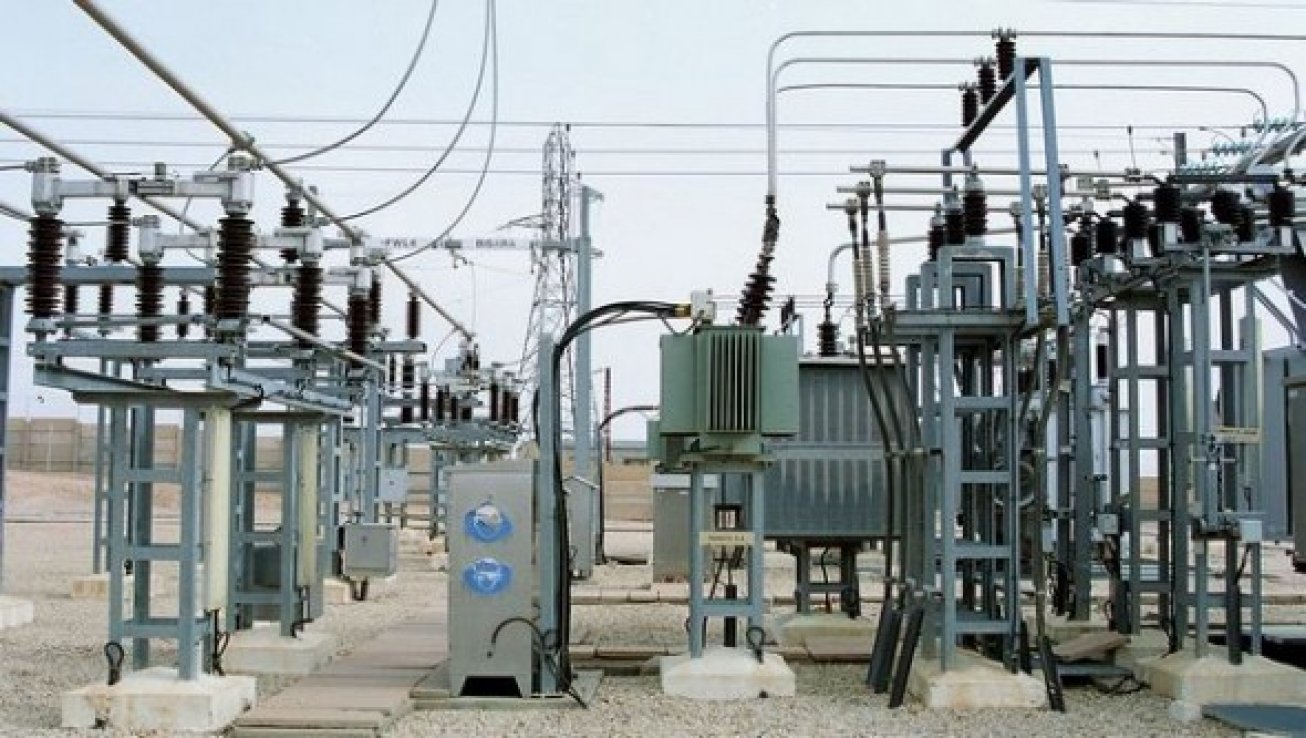
On March 19, 2026, Douala hosted a detailed presentation of the Douala Port Power Corporation (DPPC) project during a roadshow targeting local banks. The overall project, valued at 628.9 billion FCFA, includes the construction of a 300 MW gas-fired power plant within the port, as well as a gas pipeline connecting Kribi to Douala to secure the energy supply. CCA Bank and CCA Bourse, in partnership with Sicaf Capital Advisory, have been appointed co-arrangers and lead managers for the local financing component, estimated at nearly 63 billion FCFA.
The majority of the financial needs, amounting to 566 billion FCFA, will be covered by an international debt currently being arranged by the Chinese technical partner China National Machinery Import & Export Corporation (CMC) with the Bank of China – Johannesburg Branch. This portion is intended to fund the acquisition of energy equipment and infrastructure. The local financing, led by CCA Bank and CCA Bourse, will primarily cover civil engineering works, port access fees, and the operational start-up of the power plant.
The financial structure provides for a ten-year amortizing loan, with a three-year principal grace period and an indicative interest rate of 8% excluding taxes, with semi-annual repayments. Loan repayment flows will be secured by revenue generated from electricity sales to port operators under a Build-Operate-Transfer (BOT) contract with an initial 25-year term, renewable. A minimum adjustable tariff is planned to ensure stable income and safeguard lenders.
Guarantees include pledges on port site occupancy rights, the power plant equipment, and DPPC shares. Revenues will be domiciled with the lending banks, and a reserve account will be established to ensure regular debt repayment.
DPPC is majority-owned by the Cameroonian group La Citadelle S.A. (51%), in partnership with Chendaliyou (Hainan) International Trade Co. Ltd (49%). According to the Autonomous Port of Douala authorities, this energy infrastructure will enhance the port’s electrical autonomy, improve its competitiveness, and secure the smooth running of logistics operations, reinforcing its role as a maritime hub in Central Africa.
The entire project is part of an ambitious public-private investment strategy, combining local expertise and international partnerships to meet the growing energy needs of the port sector and support the country’s economic growth.
Esther Grace

 La voix des entreprises
 Esther Grâce