

AGRO-INDUSTRY : Samen Industry S.A Invests in Cocoa Processing in Samen Industry S.A

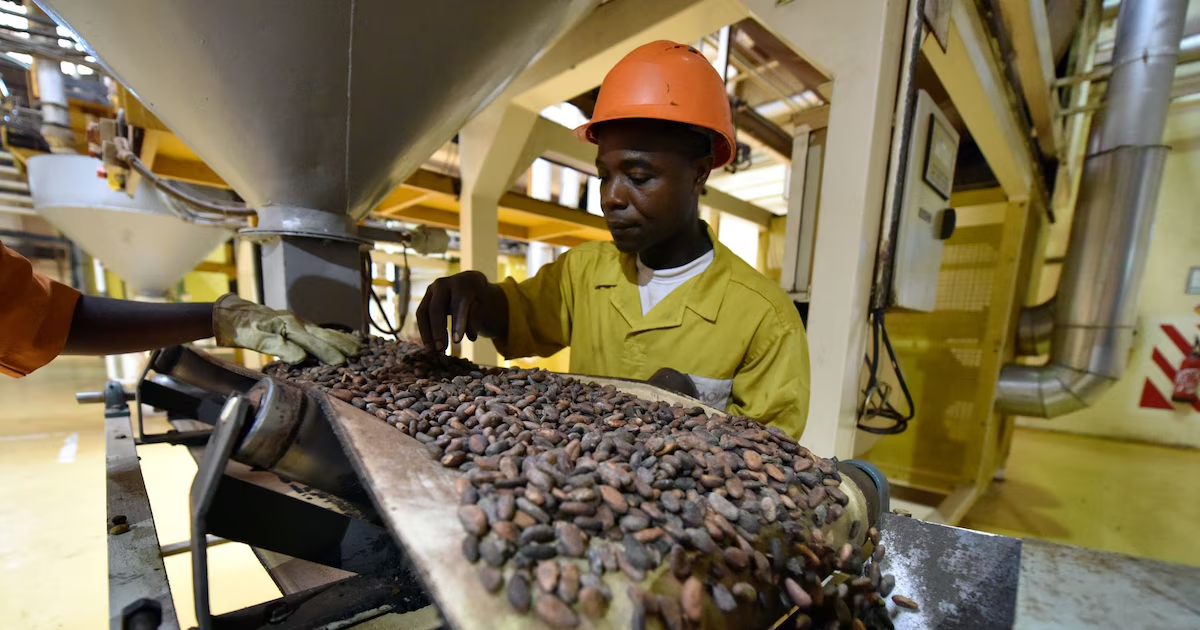
(LVDE) — In the Moungo division, local cocoa processing is reaching a new milestone with the establishment of an industrial facility in Baré-Bakem. The laying of the foundation stone for the Samen Industry S.A plant on February 27, 2026, reflects Cameroon’s determination to strengthen its position in cocoa processing and increase national value-added output in this highly strategic sector.
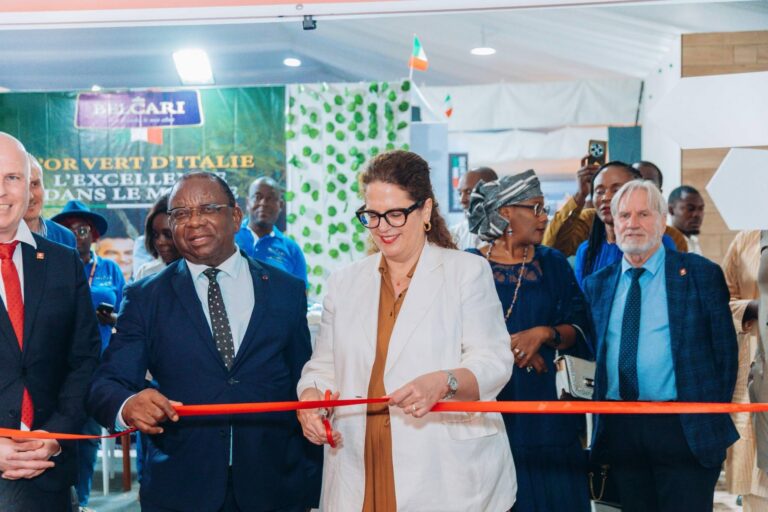
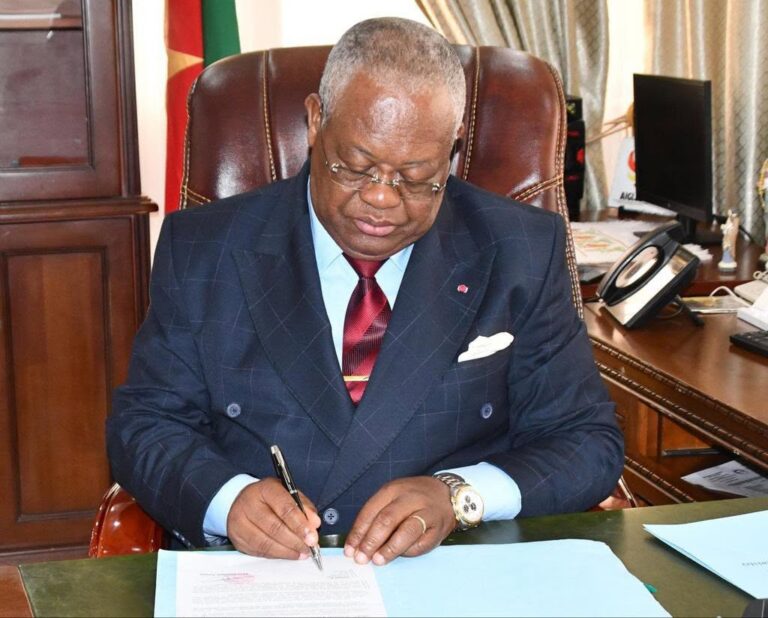
Under a blazing sun in Baré-Bakem, administrative authorities, business operators, and stakeholders from the cocoa sector attended the official launch of the construction of the Samen Industry S.A cocoa grinding and processing plant. The ceremony, presided over by Trade Minister Luc Magloire Mbarga Atangana, alongside Agriculture and Rural Development Minister Gabriel Mbairobe, marks another step in Cameroon’s industrialization policy for the agri-food sector.
With national processing capacity exceeding 250,000 tons of cocoa beans and commercial production approaching 300,000 tons during the last season, Cameroon now processes more than 80% of its cocoa production domestically, according to official figures from the Ministry of Trade. This performance places the country among global leaders in local cocoa processing, surpassing the initial target of 40% set in earlier sector strategies.
The Samen Industry S.A project, promoted by Cameroonian entrepreneur Patrice Samen, plans an annual processing capacity of 32,000 tons of cocoa beans. The investment is aligned with the National Development Strategy 2020–2030 (NDS30), which aims to industrialize agricultural value chains to boost employment, economic growth, and export diversification. The import-substitution policy supported by public authorities encourages local processing of raw materials to reduce dependence on international markets.
Beyond infrastructure development, the government is emphasizing economic equity within the cocoa value chain. The Trade Minister highlighted the importance of fairer value distribution, particularly for farmers. He called for opening industrial companies’ capital to agricultural cooperatives, allowing farmers to benefit not only from the sale price of cocoa beans but also from dividends generated through industrial processing. This approach aims to stabilize incomes in a context of volatile global commodity prices that often affect African producers.
This national momentum is accompanied by international recognition. Cameroon recently won a gold medal at the Cacao of Excellence Awards held in Amsterdam during the Chocoa Trade Fair. This distinction confirms the quality of Cameroonian cocoa and supports the country’s strategy of upgrading agricultural products for export markets. Authorities now aim to further structure the sector ahead of the next cocoa season scheduled for July 2026, through a national consultation framework involving producers, industrialists, and public institutions.
According to the Interprofessional Cocoa and Coffee Council (CICC), the cocoa-coffee sector remains one of the pillars of Cameroon’s rural economy, generating thousands of direct and indirect jobs. The new industrial complex in Baré-Bakem is expected to contribute to local economic development while strengthening the competitiveness of Cameroonian cocoa on the global market.
Esther Grace

 Esther Grâce
 La voix des entreprises