


PERFORMANCE : Douala-Bonabéri Port crosses the 500,000-ton transit mark in Q1 2026

(LVDE) – On April 23, 2026, in Douala, the Port Authority of Douala (PAD) presented its first-quarter performance. With 501,367 tons of transit traffic recorded between January and March 2026, the port platform confirms its growth momentum driven by rising exports and imports.
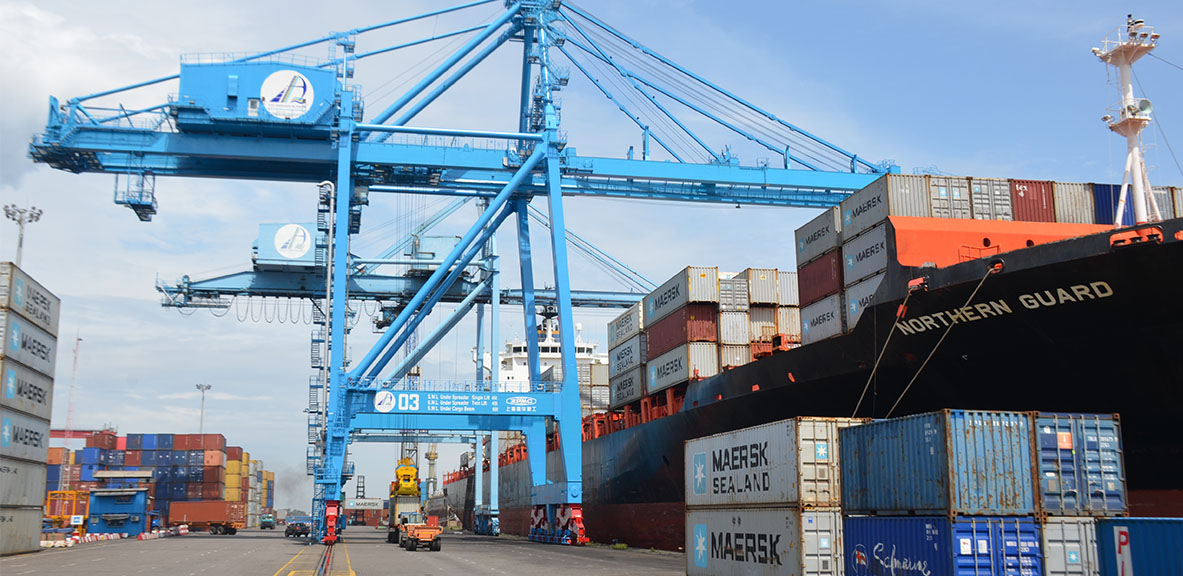
On the quays of the Douala-Bonabéri Port, activity continues to show sustained intensification of logistics flows. Figures released by the Port Authority of Douala during a press briefing indicate 501,367 tons of transit traffic in Q1 2026, compared with 456,805 tons a year earlier, representing a 10% year-on-year increase. This performance reflects the gradual restructuring of port operations and improved supply chain fluidity.
In detail, unloading traffic reached 324,766 tons, up from 308,302 tons in the same period of 2025, a 5% increase. This segment remains central to the port’s overall dynamics, driven by imports of industrial goods, food products, and energy supplies. Meanwhile, loading traffic recorded stronger growth, reaching 176,601 tons compared with 148,503 tons a year earlier, up 19%. This trend highlights the rising strength of Cameroonian exports through the port platform.
Over the medium term, the trajectory remains strongly upward. Between 2020 and 2025, transit traffic increased from 866,060 tons to 1,967,214 tons, reflecting an estimated average annual growth of 15%. This expansion was supported by a 25% increase in unloading traffic, despite an 8% decline in loading volumes over the same period.
Overall maritime traffic also reflects this trend. The number of vessel calls rose from 2,475 in 2020 to 2,842 in 2025, representing an average annual increase of 3%. This growth is driven by both long-haul and local navigation, which increased by 2% and 19% respectively over the period.
The container segment shows more moderate growth. Volumes rose from 366,649 TEUs in 2020 to 376,708 TEUs in 2025, an average annual increase of 1%. This performance is mainly driven by full import containers, which increased from 175,833 TEUs to 186,743 TEUs. In contrast, full export containers declined by an average of 3%, reflecting a structural imbalance in containerized flows.
In terms of national positioning, the Douala-Bonabéri Port maintains a dominant share with 83% of transit volumes recorded in 2024, compared with 17% for the Port of Kribi. This confirms Douala’s central role in Cameroon’s logistics system, despite the gradual rise of competing infrastructure.
In a regional context marked by growing competition among port platforms and the need to modernize logistics chains, these results reinforce the port’s position as the country’s main trade hub and a key gateway for the sub-region. The main challenge now lies in accelerating investment and digitalizing operations to sustain this growth trajectory.


 La voix des entreprises
 Esther Grâce