


CAMEROON : Sawn timber and logs surpass 1.1 million tonnes in exports in 2025

(LVDE) – According to the National Institute of Statistics (INS), exports of sawn timber and logs reached 762,007 tonnes for sawn wood and 349,611 tonnes for logs in Cameroon in 2025. Despite an overall decline in volumes and revenues, sawn timber remains dominant, while logs continue to show resilience on international markets despite tighter fiscal and regulatory measures.
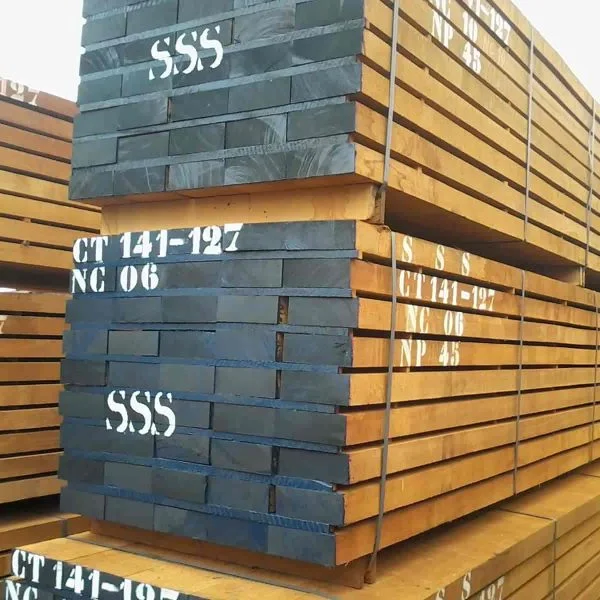
On international timber markets, Cameroon recorded a mixed performance in its exports in 2025. According to data from the National Institute of Statistics, sawn timber remains the main exported product, with 762,007 tonnes shipped, generating an estimated 157.6 billion FCFA in revenue. However, these figures mark a noticeable decline compared to previous years, confirming a slowdown in momentum that began earlier in the decade.
Between 2021 and 2024, exported volumes of sawn timber ranged from 895,572 tonnes to nearly 1.5 million tonnes, generating revenues between 170 and 212 billion FCFA. The drop observed in 2025—estimated at more than 133,000 tonnes year-on-year and over 770,000 tonnes compared to 2021—reflects weakening demand in key export markets, particularly in Asia and Europe.
Log exports followed a similar trend, although their resilience remains notable. In 2025, they stood at 349,611 tonnes, down by more than 100,000 tonnes compared to the previous year. This represents the lowest level recorded over the past five years, after volumes ranging between 475,401 tonnes and more than 900,000 tonnes over the 2021–2024 period.
Despite this decline, logs continue to maintain a presence on international markets, even as policies increasingly aim to restrict their export. In anticipation of a full ban on raw timber exports within the CEMAC zone by 2028, Cameroon has progressively strengthened taxation on logs. Between 2017 and 2024, export duties rose from 17.5% to 75% of FOB value, representing an overall increase of around 350%.
At the same time, authorities have introduced incentives to promote local processing. Since 2023, equipment used for timber transformation has benefited from tax exemptions, while two dedicated industrial zones have been announced in the country’s eastern region, covering a total area of 224 hectares. The objective is to move up the value chain and capture more added value domestically.
However, the results of this policy remain mixed. While log exports have sharply declined over the medium term—from 958,300 tonnes in 2021 to 349,611 tonnes in 2025—sawn timber exports have also decreased, from 919,000 tonnes in 2021 to 762,007 tonnes in 2025. Meanwhile, higher value-added products such as veneers have shown only modest growth, reaching 53,511 tonnes in 2025 compared to 50,803 tonnes in 2024.
In an international context marked by demand volatility and a shift toward more integrated value chains, Cameroon’s timber sector stands at a strategic turning point. Between regulatory constraints, fiscal pressure, and the need for industrialisation, the key challenge now is to strengthen local processing while maintaining export competitiveness. This balance will determine the country’s ability to consolidate its position on the global timber market.


 La voix des entreprises
 Esther Grâce