

TRANSPORT & INFRASTRUCTURES : Canyon Resources Secures Its Rail Logistics Chain in Cameroon

(LVDE) – Australian mining group Canyon Resources announced in 2026 an investment of around CFAF 10 billion aimed at increasing its stake to 26.9% in Camrail, the operator of Cameroon’s national railway network. The transaction, which also includes strengthening its position in the timber terminal at the Port of Douala, is part of a broader logistics security strategy ahead of the development of the Minim-Martap bauxite project in the Adamawa region. It comes at a time when Douala and Yaoundé are witnessing increased structuring of transport corridors linked to major mining projects.
In Cameroonian industrial and logistics circles, Canyon Resources’ move is seen as a significant step in the growing involvement of mining investors in transport infrastructure. The Australian group, active in mineral exploration and development across Africa, is accelerating the vertical integration of its operations in order to secure future bauxite export chains from northern Cameroon to port facilities.
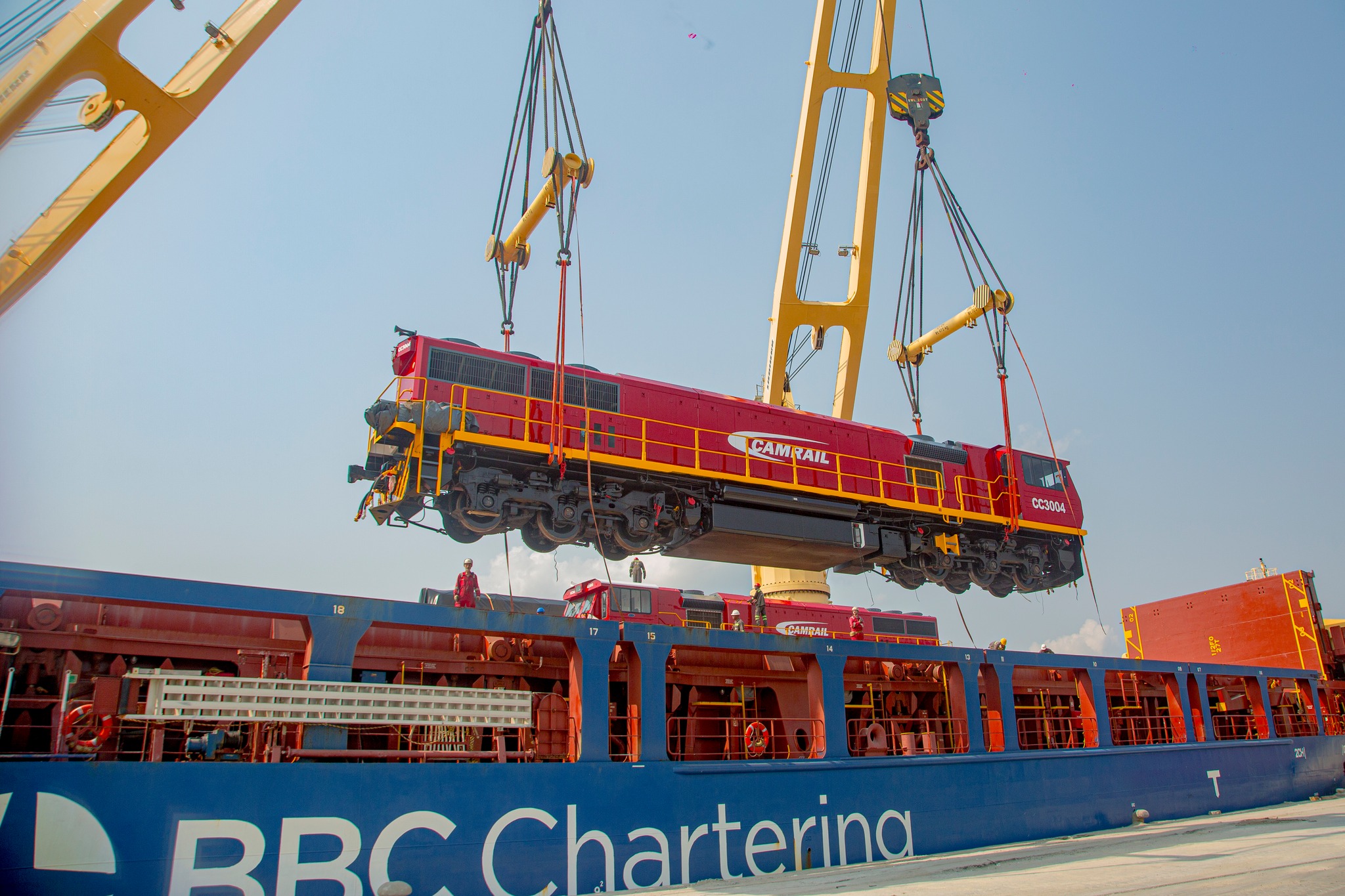
According to sources close to the matter, the CFAF 10 billion investment allows Canyon Resources to strengthen its position in Camrail, the concessionaire of the national railway network and a key player in freight transport between the Port of Douala and the hinterland. By increasing its stake to 26.9%, the company secures a strategic lever for the future transportation of ore to export facilities.
This strategy unfolds within a structured yet constrained railway environment. The network, stretching approximately 1,100 kilometers according to official data, connects production zones to the country’s main port hub. However, it continues to face operational challenges, particularly in terms of infrastructure modernization and freight capacity, estimated at several million tonnes per year.
At the same time, Canyon Resources is also strengthening its presence in the timber terminal of the Douala Port Authority, a key logistics hub for external trade in the CEMAC sub-region. This diversification aims to reduce supply chain vulnerabilities in a context where large-scale mining projects in Africa are heavily dependent on the reliability of transport corridors.
At the core of this strategy lies the Minim-Martap bauxite project, considered one of the continent’s major deposits, with reserves estimated at several hundred million tonnes according to available geological studies. Its exploitation, however, requires heavy logistics infrastructure capable of transporting large volumes over long distances via rail and port systems.
In the mining sector, experts stress that control over logistics infrastructure has become a key competitiveness factor. In sub-Saharan Africa, transport costs can represent between 30% and 50% of total mining operating costs, according to the African Development Bank, which explains the growing trend of mining companies acquiring stakes in rail and port infrastructure.
For Cameroonian authorities, this operation fits into a broader strategy of mobilizing private capital to modernize transport infrastructure and improve the efficiency of strategic corridors, which are essential for boosting non-oil exports.
For Canyon Resources, strengthening its positions in Camrail and in Douala’s port infrastructure is a key step in securing the logistics chain of its bauxite project, which is intended to supply international markets—particularly in Asia—over the long term.
In a context where transport infrastructure needs in Central Africa are estimated at several billion dollars, this transaction reflects a broader trend: the increasing integration of mining groups into logistics chains in order to better control costs, timelines, and export risks.

 Esther Grâce
 La voix des entreprises