

NON-INTRUSIVE INSPECTION : SGS trains Cameroonian customs officers in next-generation scanning technology in Zurich

(LVDE) – Since June 1, 2026, in Zurich, Switzerland, five officers from Cameroon’s Directorate General of Customs (DGD) have been taking part in a specialized training program organized by Société Générale de Surveillance (SGS). Focused on scanning techniques and image analysis, the program aims to enhance cargo inspection capabilities while strengthening both security controls and the efficiency of Cameroon’s customs revenue collection.
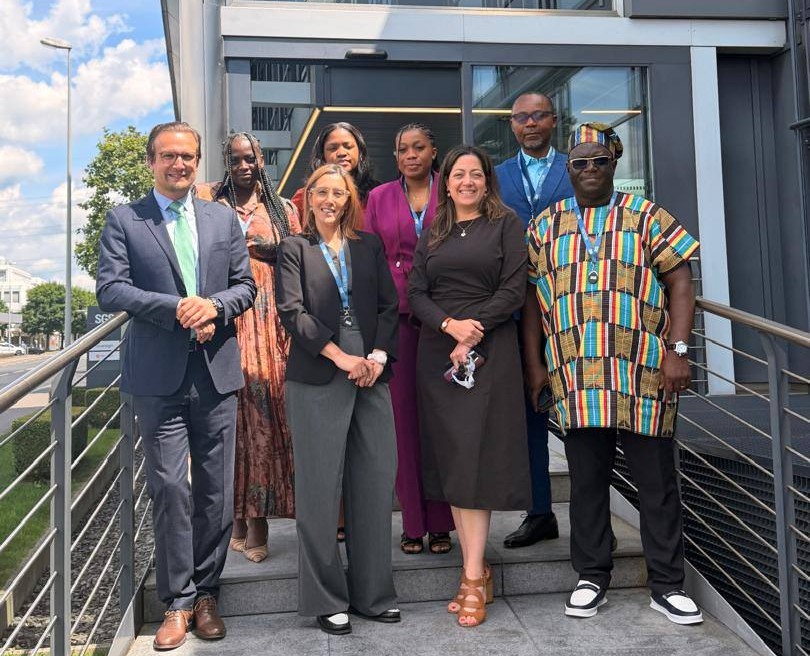
In a global context marked by increasingly sophisticated trade flows and fraud techniques, Cameroon’s Directorate General of Customs is accelerating efforts to upgrade the skills of its workforce. Since June 1, 2026, five officers have been immersed in Zurich in a training program dedicated to non-intrusive inspection technologies, particularly container scanning and advanced interpretation of radiographic images.
The initiative is led by Société Générale de Surveillance (SGS), an international benchmark in inspection, certification, and verification services, in collaboration with the Center for Adaptive Security Research and Application (CASRA), a Swiss research hub bringing together more than fifty experts, engineers, and scientists specializing in security systems and adaptive technologies. The stated objective is to provide high-level expertise to partner customs administrations, in a context where mastery of digital tools has become a strategic lever of economic sovereignty.
For Cameroon’s customs authority, this training is part of an ongoing modernization strategy for control systems. The administration aims to improve the detection of high-risk cargo, reduce processing times at the Douala-Bonabéri port, and optimize public revenue collection. Knowledge transfer is therefore a key pillar of this cooperation, enabling trained officers to serve as technical relays within the institution.
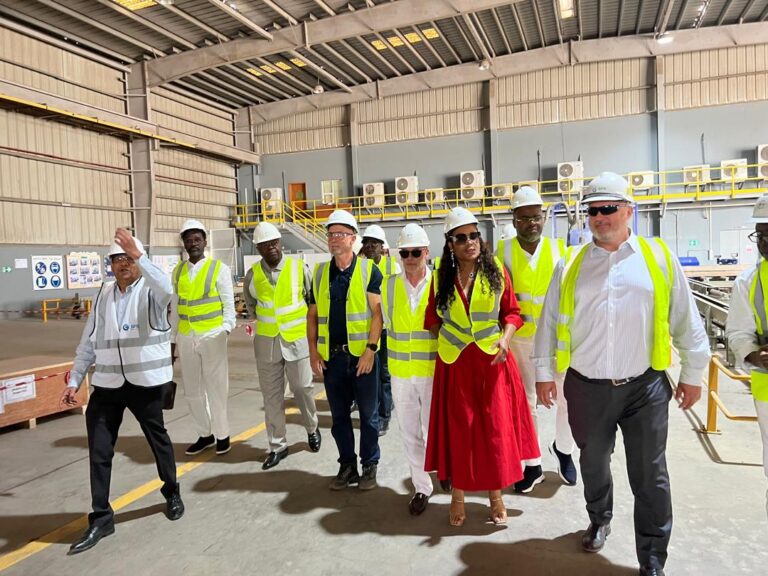
Operationally, SGS already plays a central role in Cameroon’s inspection system. As a partner of the state in container scanning operations at the Douala-Bonabéri port, the company currently operates four scanners deployed across the port platform. These systems help strengthen the fight against fraud, smuggling, and non-compliant imports, while also improving customs clearance efficiency.
According to DGD data, the use of non-intrusive inspection technologies significantly improves customs performance by reducing physical inspections and increasing the precision of targeted controls. In several African and international customs administrations, these tools have delivered productivity gains estimated between 20% and 40% in cargo inspection operations.
Beyond the technical dimension, this cooperation also highlights the growing importance of public–private partnerships in logistics governance. By combining international expertise with local needs, Cameroon seeks to strengthen transparency, security, and efficiency in its trade flows, in a context of mounting pressure on fiscal revenues and increasing port competitiveness in the Gulf of Guinea.
In the long term, this capacity-building initiative for customs officers is expected to enhance the security of trade flows and increase customs revenues, while positioning the Douala-Bonabéri port as a more efficient logistics hub, better aligned with international standards.

 La voix des entreprises
 Esther Grâce