

PUBLIC SERVICE : Cameroon resumes public sector recruitment amid persistent wage bill pressures

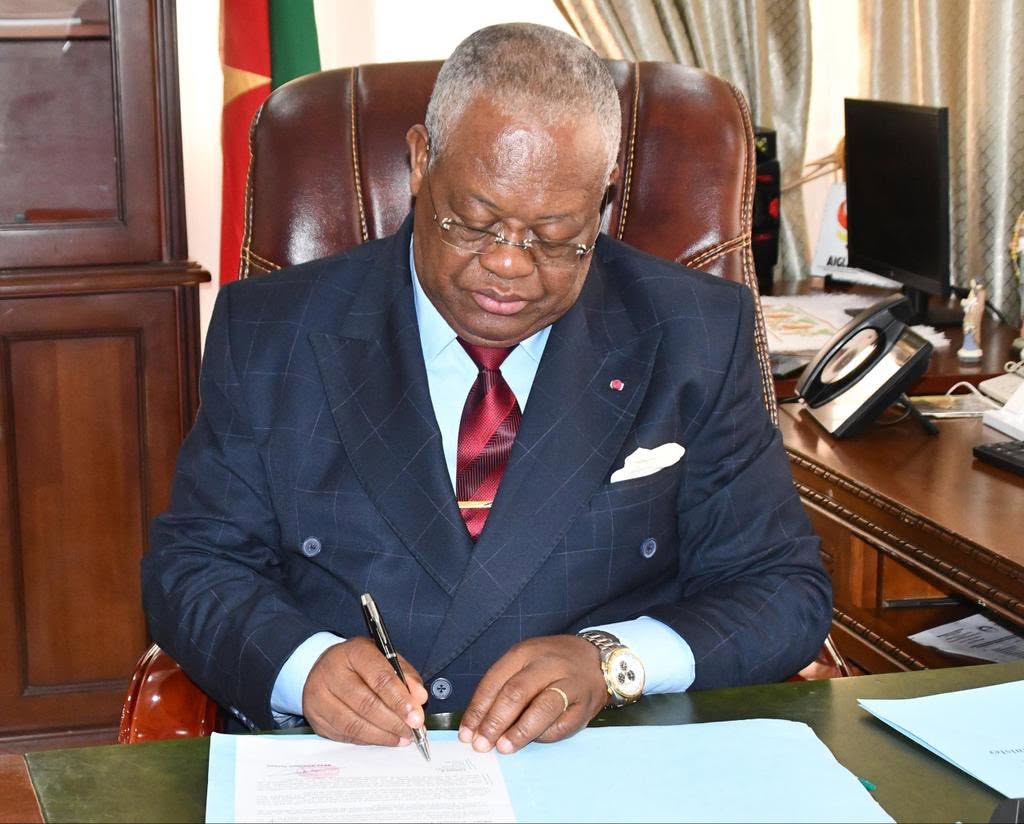
(LVDÉ) – In Yaoundé on June 5, 2026, the Minister of Public work, Joseph Lé, announced the opening of 2,090 positions across several branches of the public administration. Driven mainly by staffing needs in the health and education sectors, this recruitment drive marks a return above the 2,000-post threshold while reigniting concerns over fiscal sustainability and compliance with CEMAC budget convergence criteria.
Cameroon is cautiously reopening the doors of its civil service hiring system after several years of restrained recruitment policies aimed at containing the rapid growth of personnel expenditure. The decision to authorize 2,090 new positions for the 2026 financial year reflects a calibrated policy shift rather than a full reversal of fiscal discipline.
This latest wave of competitive examinations represents the largest public recruitment drive since 2023, underscoring rising pressure on the state to strengthen human resources in key service delivery sectors. The announcement comes at a time when demographic growth and rising demand for public services are exposing structural staffing gaps across the administration.
Health and education account for the bulk of the new positions. Around 1,000 teaching posts are allocated to graduates from teacher training colleges, while 200 specialist doctors are expected to be recruited into the public health system. These sectors remain central to national development priorities, as they directly influence human capital formation and long-term productivity.
Beyond its social dimension, the recruitment plan carries significant economic implications. Improvements in education quality and healthcare provision are widely regarded as foundational drivers of productivity gains. For the private sector, a better-trained workforce and improved public health outcomes can help reduce absenteeism, enhance efficiency, and strengthen overall competitiveness.
The broader macroeconomic impact is also notable. The integration of new civil servants into the payroll is expected to support domestic consumption, with potential spillovers into housing, retail, financial services, and telecommunications. In an economy where household demand remains a key growth engine, public employment continues to play a stabilizing role.
However, the policy comes against a constrained fiscal backdrop. Cameroon’s wage bill has followed a sustained upward trajectory over the past decade, rising from 706 billion CFA francs in 2012 to over 1,080 billion CFA francs in 2021, according to official data. This steady increase continues to weigh on public finances and limits fiscal space for investment spending.
The issue is particularly sensitive in the context of CEMAC convergence rules, which cap the wage bill-to-tax revenue ratio at 35 percent. Cameroon, like several countries in the sub-region, has struggled to comply with this benchmark, raising concerns among regional and international financial institutions about medium-term fiscal sustainability.
Policy makers are therefore attempting to strike a balance between social demand and budgetary discipline. The current recruitment strategy appears increasingly targeted, prioritizing sectors with high social return such as health and education, while avoiding a broad expansion of administrative staff across all ministries.
Across Central Africa, Cameroon’s approach reflects a shared structural dilemma. Governments must simultaneously expand access to basic services, absorb a growing labour force, and maintain fiscal stability in an environment of constrained revenues. Public employment remains both an economic lever and a tool for social cohesion.
The 2026 recruitment drive highlights a delicate compromise. While addressing urgent human resource shortages, it also tests the state’s ability to finance a growing wage bill without undermining investment capacity or broader economic transformation objectives.

 La voix des entreprises
 Esther Grâce