

ENERGY & PORTS : ARSEL and the Port of Kribi Work Toward Securing Power Supply for the Industrial-Port Zone

(LVDE) – On June 3, 2026, in Yaoundé, the Electricity Sector Regulatory Agency (ARSEL) held a working session with a delegation from the Kribi Autonomous Port (PAK), led by its Director General Patrice Melom. Discussions focused on securing and optimizing electricity supply to the industrial-port zone, a strategic asset for the Cameroonian economy.
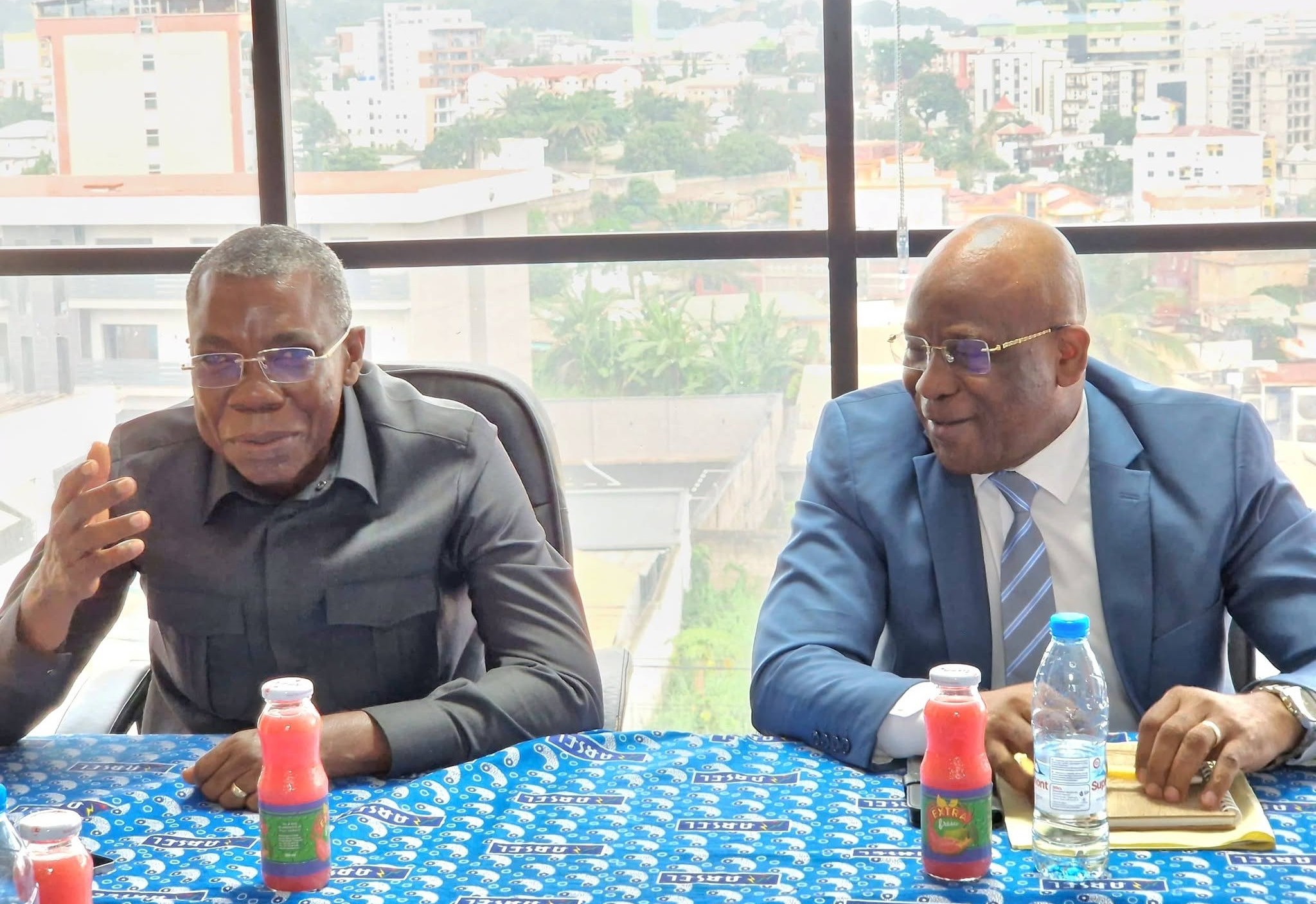
From left to right : Jean-Pascal Nkou, Director General of the Electricity Sector Regulatory Agency (ARSEL), and Patrice Melom, Director General of the Kribi Autonomous Port (PAK).
At the heart of the talks lies a major challenge : the rising energy demand of the Kribi industrial-port complex, which is expected to become one of Central Africa’s key logistics hubs. According to projections presented by the Port Authority, electricity needs could reach approximately 450 MW by 2030, driven by industrial expansion and growing port activity.
Against this backdrop, the Port of Kribi expressed concerns regarding service quality, supply stability, and the cost of electricity borne by operators within the zone. The stakes are high, as the port’s competitiveness is directly linked to the reliability of its energy infrastructure, a decisive factor in attracting industrial investment.
Both the Port Authority and its subsidiary, the Kribi Power Development Company (KPDC), reaffirmed their commitment to mobilizing all available legal and regulatory mechanisms to ensure a stable, competitive, and investor-friendly electricity supply. The two entities emphasized that energy performance remains a cornerstone of the port platform’s overall competitiveness.
This approach is part of a broader effort to strengthen Kribi’s economic attractiveness, as the port continues to expand and diversify its industrial and logistics activities.
In response, ARSEL presented several adjustment options in line with the existing regulatory framework. The regulator stressed the importance of coordinated solutions involving all stakeholders in the power sector, including SOCADEL and SONATREL, to ensure a coherent and integrated supply chain.
The preferred approach is based on enhanced coordination between electricity generation, transmission, and distribution, in a context of rapidly increasing industrial demand, particularly within special economic zones.
This working session is part of a wider effort to structure the energy ecosystem around the country’s major industrial hubs. The development of the Kribi port, supported by significant infrastructure investments, requires continuous adaptation of the national electricity grid to meet rising demand.
In 2025, the port platform confirmed its growing role in national trade flows, with sustained increases in handled volumes, further intensifying pressure on supporting infrastructure, particularly energy systems.
Beyond technical and regulatory considerations, the discussions between ARSEL and the Port of Kribi reflect a shared objective: ensuring the competitiveness of the industrial-port zone in an increasingly competitive regional environment. Electricity is now emerging as a key driver of economic performance, alongside port and logistics infrastructure.
The stakeholders agreed to continue consultations through an expanded technical meeting involving key actors in the energy sector, in order to deepen potential solutions and consolidate a sustainable supply model.

 La voix des entreprises
 Esther Grâce