

CAMEROON : AFG Bank Strengthens SME Financing with €30 Million Facility
(LVDE) – On May 26, 2026, AFG Bank Cameroon secured a €30 million financing facility from European partners to expand lending to small and medium-sized enterprises (SMEs). The agreement comes at a time when SMEs account for nearly 90% of Cameroon’s economic fabric and generate approximately 70% of jobs, yet continue to face significant financing constraints. The initiative aims to improve access to credit and support business growth in key sectors of the economy.
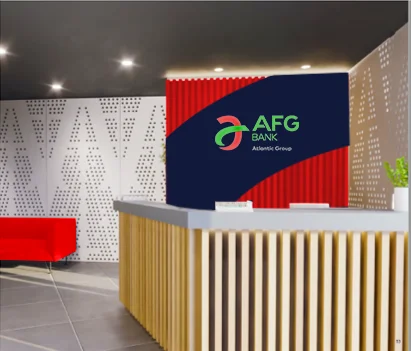
In a banking environment characterized by limited access to long-term funding and heightened risk aversion, AFG Bank Cameroon is positioning itself as a stronger player in financing the productive sector. The €30 million facility will enhance the bank’s lending capacity in a market where the credit-to-GDP ratio remains below 20%, significantly lower than levels observed in many emerging economies.
The move is strategically important. In Cameroon, SMEs form the backbone of economic activity but remain chronically underfunded. According to estimates from international financial institutions, fewer than one in three SMEs has access to formal bank credit. This financing gap continues to constrain investment, productivity gains, and industrial expansion, limiting the ability of businesses to scale and compete effectively.
Through this new funding line, AFG Bank Cameroon intends to expand its loan portfolio in priority sectors, including agribusiness, trade, services, and the digital economy. The objective is twofold : increase financing volumes available to entrepreneurs while diversifying risk exposure in an economy that remains vulnerable to external shocks.
The operation also reflects broader challenges facing the African continent. Multilateral institutions estimate that the SME financing gap in Sub-Saharan Africa exceeds $300 billion, a shortfall that continues to hinder economic transformation, job creation, and value-added production despite strong demographic growth and rapid urbanization.
Within the Central African Economic and Monetary Community (CEMAC), private-sector credit remains below 15% of GDP according to regional monetary data. Although reforms aimed at improving financial inclusion and easing access to credit have been introduced, lending remains concentrated among large corporations, while smaller businesses often struggle to meet collateral requirements.
For AFG Bank Cameroon, the new facility represents an opportunity to reinforce its market position and broaden support to entrepreneurs traditionally underserved by the banking sector. It also strengthens the bank’s competitiveness in a financial landscape increasingly shaped by regional and international banking groups seeking to capture growth opportunities in Central Africa.
Beyond the financing announcement itself, the real challenge will be converting this capital into measurable economic impact. Increased loan disbursements, improved financing conditions, and stronger support for local enterprises will determine the success of the initiative. In a country where economic diversification remains a priority, the ability of banks to channel resources toward SMEs is widely viewed as a critical factor for sustainable growth and private-sector development.

 La voix des entreprises
 Esther Grâce