

CONNECTIVITY : TWESCO, MTN and Camusat’s new network bet in Douala

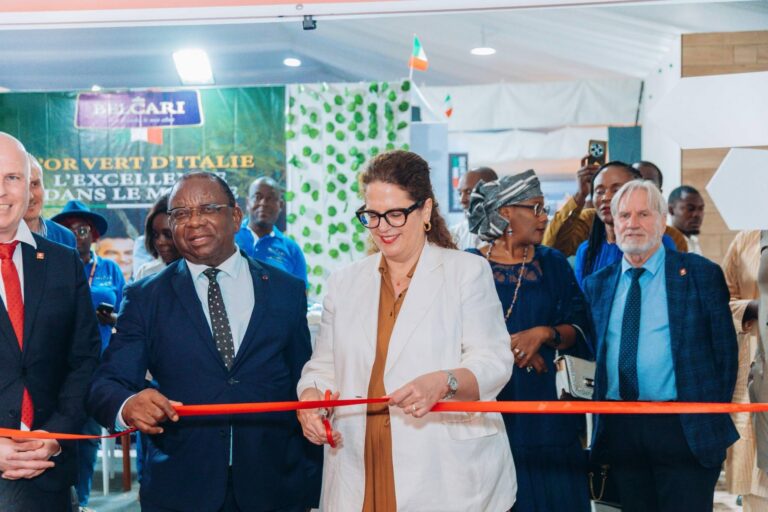
(LVDE) – In Douala, in the Japoma district, MTN Cameroon and the Camusat Group inaugurated on 29 April 2026 a next-generation telecom site based on the TWESCO model. This infrastructure, led by Camusat Group’s Chairman and CEO Richard Thomas, Camusat Cameroon’s Managing Director Karim Chekroun, MTN Cameroon’s CEO Wanda Matandela, as well as local administrative authorities and members of the surrounding community, aims to strengthen connectivity, expand network coverage, and support more sustainable digital solutions amid rapidly growing internet usage in Cameroon.
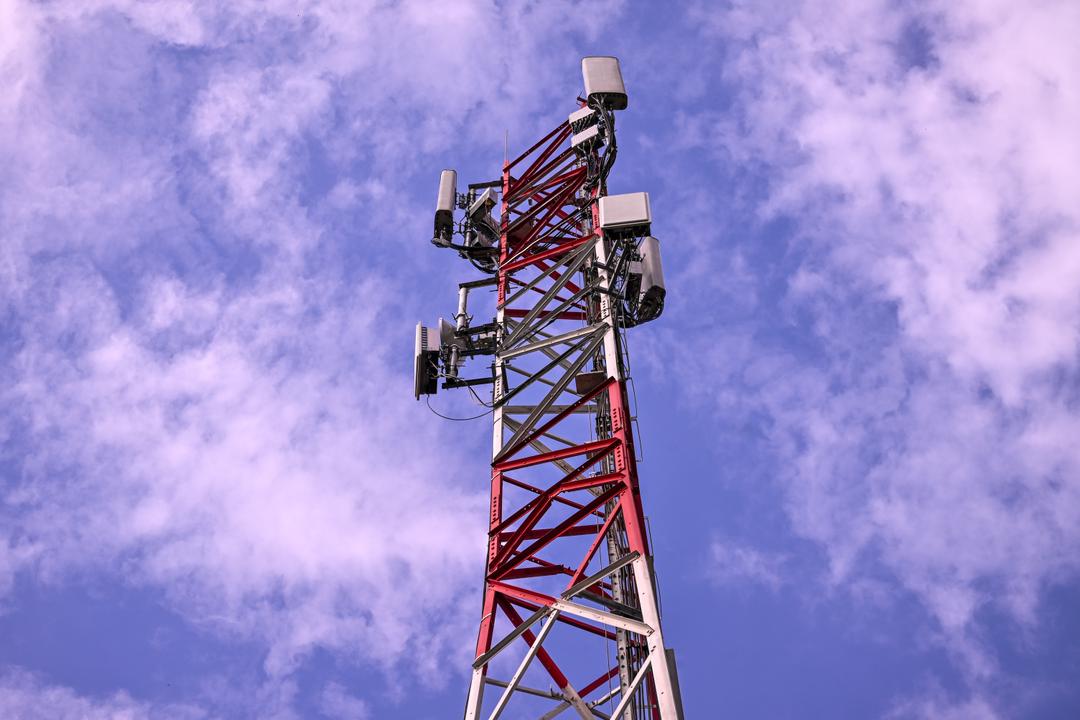
The TWESCO model (Telecom Whole Service Company).
It was on the Japoma site, in Cameroon’s economic capital, that the inauguration ceremony for a new telecom infrastructure deemed strategic for the future of mobile networks in Douala was held. The event brought together key industry stakeholders in an environment marked by rising demand for digital services and increasing pressure on transmission capacities.
At the core of this deployment, the TWESCO model (Telecom Whole Service Company) introduces an integrated approach to telecom infrastructure management. It combines design, financing, construction, and operations within a single framework. This structure helps streamline costs, reduce deployment timelines, and improve the energy efficiency of sites, in a sector where energy consumption is becoming a major challenge.
The Japoma site was designed to meet the growing demand for digital usage in Douala, Cameroon’s main economic hub. The infrastructure helps improve signal quality, increase network capacity, and support the gradual expansion of coverage into surrounding areas that are often less well served. Operators see it as a concrete response to the surge in mobile data traffic driven by the widespread adoption of smartphones and the rise of digital services.
In this context, data from the International Telecommunication Union (ITU) highlights that digital networks account for an increasing share of the global energy consumption of the technology sector. This reality is pushing operators to adopt more efficient and lower-consumption solutions. The TWESCO model fits into this trend, featuring optimized equipment and management systems designed to reduce the overall environmental footprint of infrastructure.
For MTN Cameroon, a leading telecommunications operator in the country, this project is part of a broader digital inclusion strategy. The company emphasizes the need to continuously improve network quality in order to support the growth of mobile usage, including mobile payments, digital financial services, and expanding professional applications.
For its part, Camusat Group, a global specialist in telecom engineering and infrastructure, views this achievement as an example of the sector’s shift toward more shared and sustainable models. The company supports several operators across Africa in modernizing their networks, with a strong focus on energy performance and reduced operating costs.
Beyond technical aspects, the deployment of this site in Japoma also reflects a broader economic impact. Enhanced connectivity facilitates business activity, improves access to digital services, and strengthens the attractiveness of urban areas. In Douala, where economic development is closely tied to infrastructure performance, telecom expansion is emerging as a strategic lever.
With this new installation, MTN Cameroon and Camusat reaffirm their commitment to building a more efficient, more accessible, and more environmentally responsible digital ecosystem, in a context of rapidly increasing connectivity needs.

 Esther Grâce
 La voix des entreprises