

FINANCE & REGULATION : African Banking Supervisors Recalibrate the Continent’s Financial Stability Framework in Yaoundé

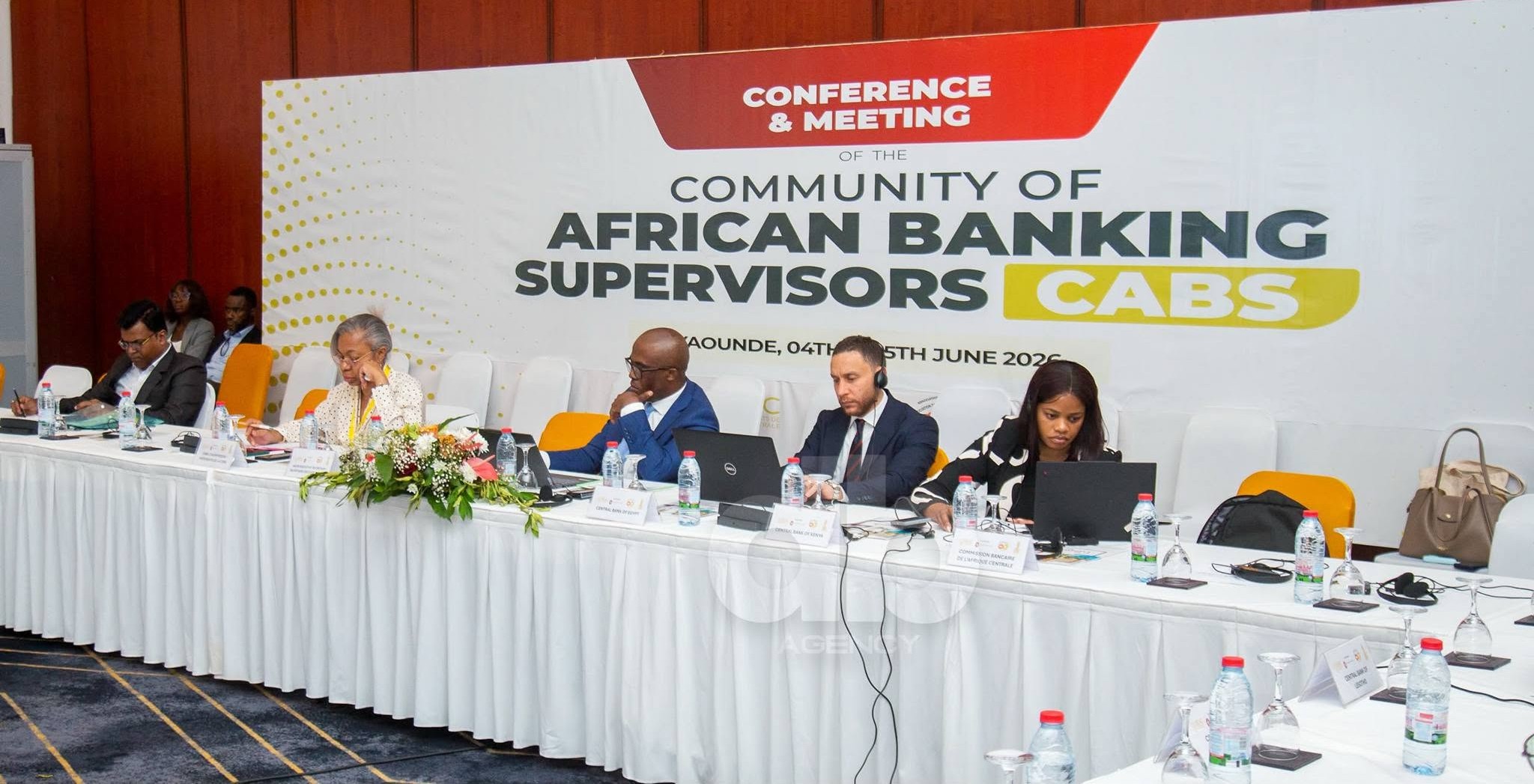
(LVDE) – Meeting in Yaoundé on June 4–5, 2026, banking supervisors, central bankers, regulators and financial experts from across Africa gathered for the Annual Conference of the Community of African Banking Supervisors (CABS/CSBA). Hosted under the auspices of the Bank of Central African States (BEAC) and the Central African Banking Commission (COBAC), the forum focused on strengthening prudential oversight, modernizing regulation and deepening financial integration amid accelerating digital transformation and rising systemic risks.
As Africa’s financial sector undergoes one of the most profound transformations in its history, regulators are facing a challenge that extends far beyond traditional banking supervision : ensuring financial stability in an increasingly interconnected, digital and cross-border ecosystem.
That challenge was at the heart of discussions in Yaoundé, where the Community of African Banking Supervisors (CSBA) convened its 2026 Annual Conference. Bringing together central banks, regulatory authorities, supervisory agencies and financial sector specialists, the gathering reflected a growing consensus across the continent : regulatory frameworks must evolve at the same pace as the markets they oversee.
The stakes are considerable. Over the past decade, Africa has witnessed rapid growth in digital financial services, mobile money ecosystems, fintech innovation and cross-border banking groups. While these developments have expanded financial inclusion and improved access to services, they have also introduced new categories of risk that many supervisory frameworks were not originally designed to address.
Against this backdrop, participants emphasized the need to modernize prudential regulation and strengthen supervisory capacities. Particular attention was given to cybersecurity threats, artificial intelligence applications in financial oversight, digital assets and the increasing complexity of cross-border financial transactions.
For regulators, the issue is no longer simply compliance monitoring. The objective is increasingly preventive : identifying vulnerabilities before they evolve into systemic threats capable of destabilizing banking systems or undermining public confidence in financial institutions.
The conference also highlighted the growing importance of regulatory convergence across Africa. As regional banking groups continue to expand beyond national borders, fragmented supervisory approaches can create blind spots in risk management and crisis prevention. Harmonized standards, information sharing and coordinated oversight are therefore becoming critical components of financial stability.
This challenge is particularly relevant within the framework of the African Continental Free Trade Area (AfCFTA), which seeks to deepen economic integration across the continent. Greater trade and investment flows inevitably require stronger financial intermediation and more interconnected banking systems. Without robust supervision, however, financial integration could increase the transmission of risks between jurisdictions.
For the Central African Economic and Monetary Community (CEMAC), represented by BEAC and COBAC, the discussions carry additional significance. The sub-region has spent recent years strengthening its regulatory architecture, improving foreign exchange controls and enhancing banking sector resilience following commodity price shocks and pandemic-related disruptions.
The emergence of artificial intelligence as a supervisory tool also featured prominently during the discussions. Regulators increasingly view advanced data analytics, predictive monitoring systems and automated risk assessment mechanisms as essential instruments for overseeing rapidly evolving financial markets. At the same time, participants acknowledged that these technologies raise new questions regarding governance, accountability and data protection.
Beyond technological considerations, the conference underscored the strategic role of supervisory cooperation. Participants advocated deeper collaboration through joint inspections, technical assistance programmes, staff exchanges and shared training initiatives. Such mechanisms are expected to improve the capacity of African regulators to address increasingly sophisticated financial risks.
For financial institutions, stronger supervision ultimately translates into greater market confidence. Well-regulated banking systems are generally more attractive to investors, more resilient to economic shocks and better positioned to support private-sector growth. In a continent where access to long-term financing remains a major constraint to development, regulatory credibility has become a key economic asset.
The recommendations emerging from the Yaoundé conference are expected to inform future regulatory reforms across several African jurisdictions. More importantly, they signal a broader shift in supervisory philosophy—from reactive oversight toward anticipatory regulation capable of adapting to technological disruption and evolving market dynamics.
As Africa advances toward deeper financial integration, the ability of regulators to balance innovation with stability will become increasingly decisive. The discussions in Yaoundé suggest that banking supervisors are aware of the challenge—and determined to build a regulatory architecture capable of supporting the continent’s next phase of economic growth.

 La voix des entreprises
 Esther Grâce