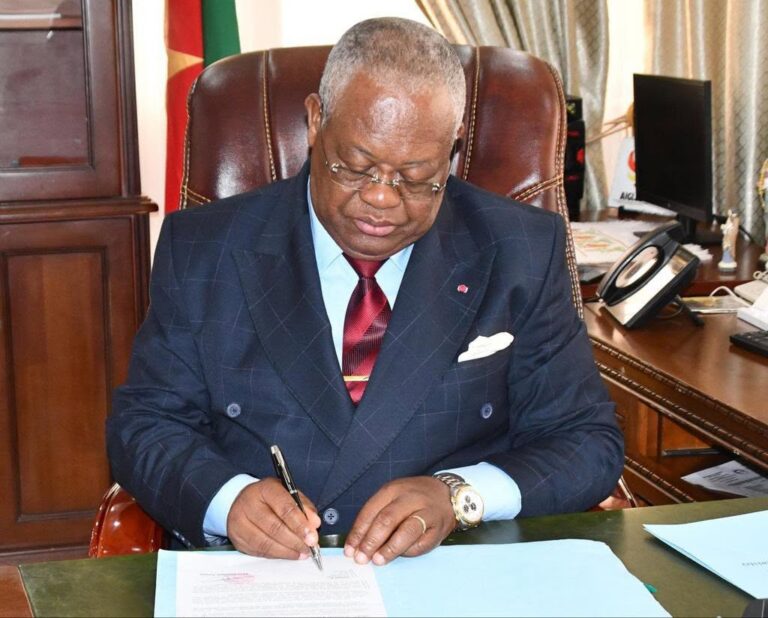


FORESTRY INDUSTRY : Grumcam cuts its capital by 70% amid heavy financial losses

(LVDE) – Grumcam, the Cameroonian subsidiary of the Italian group ALPI specializing in timber exploitation and wood processing, initiated in 2026 a reduction of nearly 70% of its share capital in Cameroon following several loss-making financial years. Present in Cameroon’s forests for more than 60 years with approximately 215,000 hectares of concessions, the company is attempting to reorganize its finances amid a slowdown in the global timber market, rising logistics costs and stricter international environmental standards.
Within Cameroon’s industrial and forestry circles, the decision is being viewed as a sign of a deeper crisis currently affecting the entire timber sector across Central Africa. After more than six decades of operations in Cameroon, Grumcam, a subsidiary of the Italian family-owned ALPI Group, decided to reduce its share capital by nearly 70% in order to absorb accumulated losses from recent years and rebalance its financial structure. The move comes at a time when Cameroon’s forestry industry is facing significant economic turbulence.
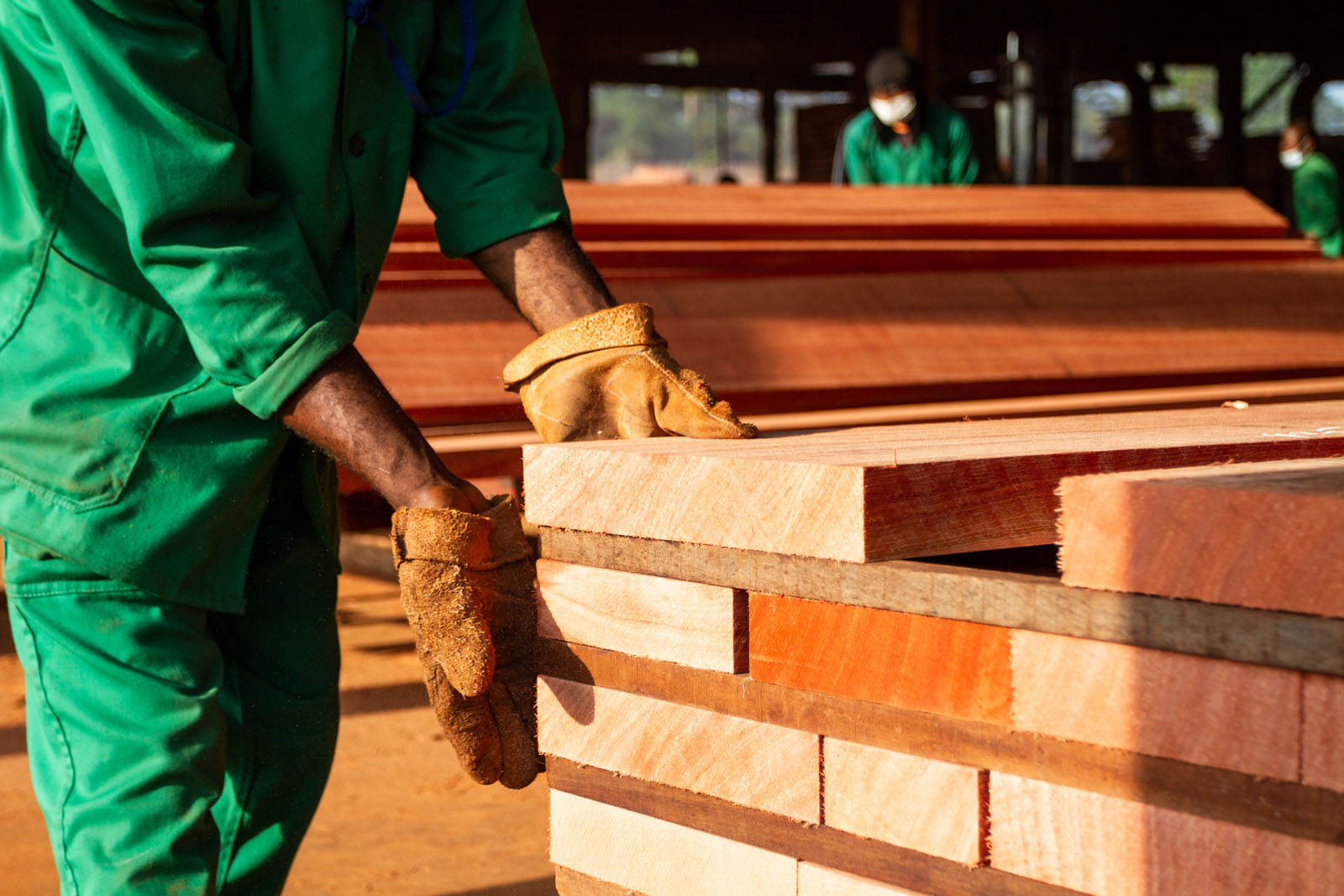
Established in the forest basins of southern and eastern Cameroon, Grumcam is considered one of the sector’s historic operators. The company manages approximately 215,000 hectares of forest concessions and operates across the entire value chain, from logging activities to industrial wood processing for international markets. For years, its products have supplied commercial networks in Europe, Asia and the Middle East, particularly in decorative veneers, plywood and high value-added processed timber segments.
Behind this long-standing presence, however, lies a more fragile reality. According to several sector analyses, forestry companies operating in Cameroon are experiencing a sharp increase in operating costs. Road transport expenses have surged due to higher fuel prices and the deterioration of several transport corridors. Added to this are rising energy costs, investments linked to forest certification requirements and stricter environmental constraints imposed by European markets.
Despite these challenges, Cameroon’s forestry sector remains strategic for the national economy. According to figures from the Ministry of Forestry and the World Bank, the industry contributes around 4% of the country’s Gross Domestic Product and accounts for nearly 25% of non-oil exports. The sector directly or indirectly generates more than 200,000 jobs in logging, transport, processing and timber trade activities. In 2025, Cameroon’s timber and wood-derived exports were estimated at more than CFA francs 900 billion, with China, the European Union, India and Vietnam among the leading export destinations.
Yet despite its economic importance, the global timber market has experienced a significant slowdown over the past two years. Following the price surge observed during the post-Covid recovery period, international demand has weakened in several segments linked to construction and furniture manufacturing. In Europe in particular, the slowdown in the real estate sector and tighter environmental regulations have reduced import volumes. The European Union’s new regulation against imported deforestation (EUDR), which imposes strict traceability requirements, is now forcing African producers to invest heavily in supply chain monitoring systems.
For Grumcam and several other industrial operators active in the Congo Basin, this transition represents a major financial challenge. The investments required to comply with international standards come at a time when profit margins are shrinking considerably. According to sector data, several forestry companies in the sub-region have recorded profitability declines ranging between 20% and 40% over the last three years.
ALPI Group, Grumcam’s parent company, nevertheless remains a recognized player in the global decorative wood industry. Founded in Italy, the family-owned company expanded into high-end materials used in interior design, furniture manufacturing and the nautical industry. Its presence in Cameroon is part of a long-standing strategy aimed at securing tropical timber supplies for its international processing units.
In Cameroon, this financial restructuring has also revived debates surrounding the local processing of forest resources. For several years, public authorities have sought to reduce raw log exports in order to encourage deeper industrialization of the sector. A number of regulatory measures have been introduced to promote local processing, furniture manufacturing and the development of downstream industries capable of generating greater added value domestically.
Within economic circles, many observers now believe that the future of Africa’s forestry industry will depend less on export volumes than on companies’ ability to adapt to new environmental requirements and move up the value chain through processed wood products. For Grumcam, the capital reduction therefore appears as an attempt at financial repositioning in a market that has become more demanding, more competitive and increasingly sensitive to sustainability issues.

 La voix des entreprises
 Esther Grâce