


AIR TRANSPORT : Cameroonian Skies Open Up to Qatar Airways

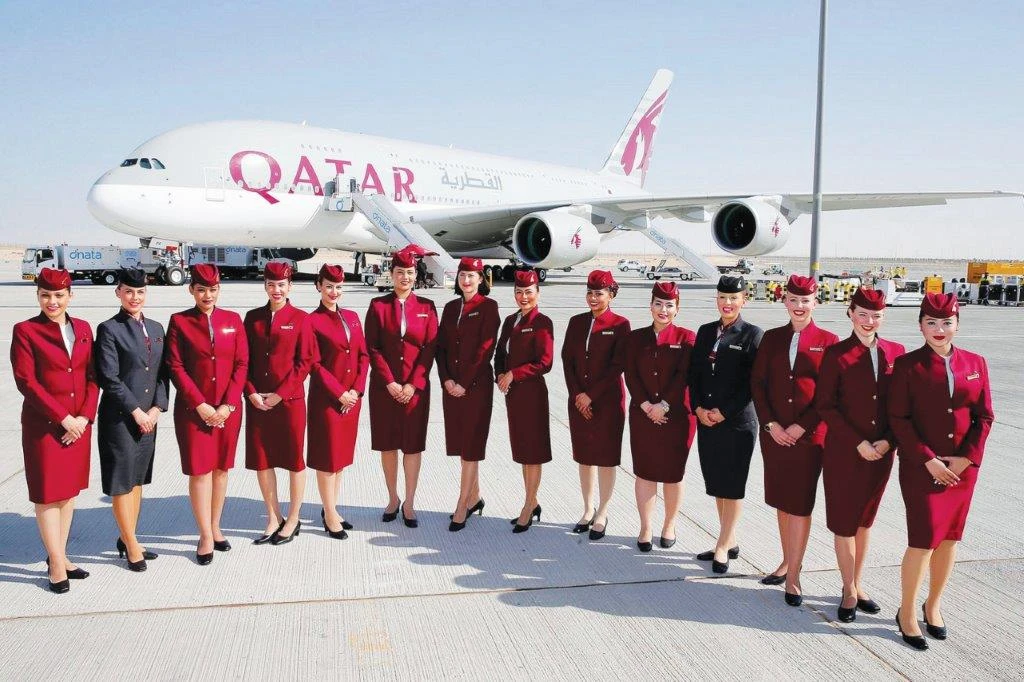
(LVDE) — The ratification by President Paul Biya of the bilateral air transport agreement between Cameroon and Qatar marks a new milestone in the country’s strategy to open its skies. This decision paves the way for Qatar Airways’ entry and reinforces Cameroon’s ambitions in terms of connectivity, competitiveness, and economic attractiveness.
Cameroon’s skies are opening further to major international carriers. By decree signed on January 29, 2026, the President of the Republic officially ratified the bilateral air transport agreement concluded on January 16, 2025, in Doha between Cameroon and the State of Qatar. This legal framework now allows Qatar Airways to operate commercial flights to Cameroon, representing a major step forward in the national policy of liberalizing air transport.
This ratification follows the adoption, in December 2025, of a law by the National Assembly authorizing the Head of State to approve the agreement. Through this move, Cameroonian authorities aim to strengthen the country’s international connectivity, expand the range of air transport options, and stimulate competition on long-haul routes. The potential arrival of Qatar Airways is seen as a strong signal to international markets and investors, in a context where air mobility remains a key factor in economic competitiveness.
Beyond passenger transport, authorities anticipate positive effects on freight, trade, and strategic partnerships. The government expects knowledge transfer and best practices to benefit the national carrier, Camair-Co, as well as an overall upgrade of the local aviation sector. Increased traffic is also projected to generate additional revenue for specialized administrations, including the Cameroon Civil Aviation Authority and Aéroports du Cameroun.
The international airports of Douala and Yaoundé are the main platforms concerned by this opening. The anticipated growth in passenger and cargo flows could enhance their attractiveness, support tourism, and improve Cameroon’s access to Middle Eastern and Asian markets and beyond. With a network covering over 170 destinations worldwide, Qatar Airways is seen as a vehicle for increasing the country’s visibility and a lever for deeper integration into global air transport.
This development forms part of a broader strategy to modernize Cameroon’s aviation sector, where the controlled opening of the skies is viewed as a driver of growth, competitiveness, and international influence.
Raphael Mforlem


 La voix des entreprises
 Esther Grâce