

HOUSING FINANCE: Shelter Afrique Seeks Fresh Financing to Power Africa’s Urban Future
(LVDE) – In Rabat, from 9 to 11 June 2026, the African Development Bank-backed Shelter Afrique Development Bank (ShafDB) is convening housing ministers, finance ministers, investors and development finance institutions from 44 African countries for its 45th Annual General Meeting. Against the backdrop of rapid urbanisation and mounting climate pressures, the gathering aims to unlock new financing solutions for affordable housing, resilient infrastructure and sustainable urban development across the continent.
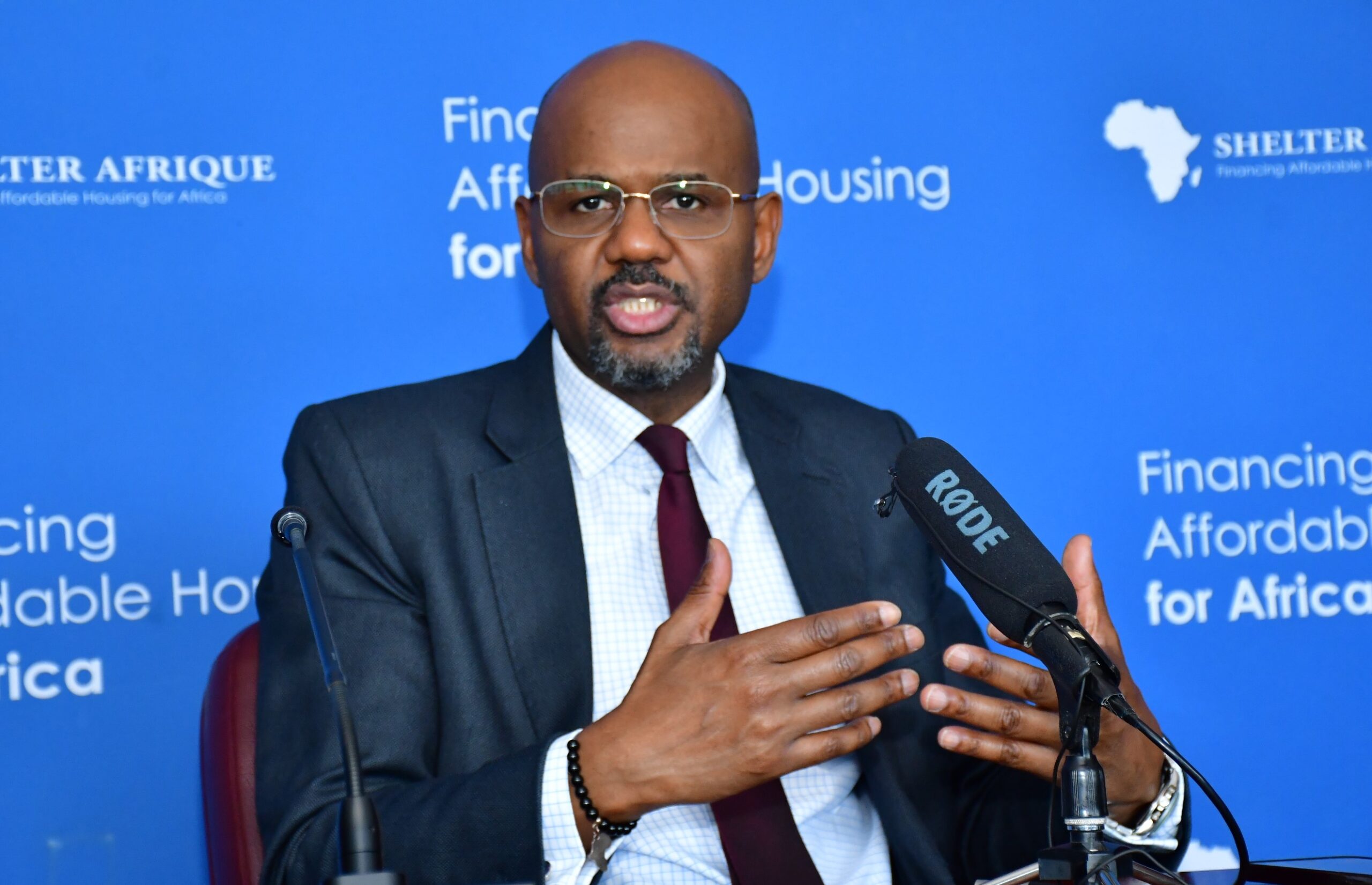
Africa’s urban transition is accelerating at a pace unmatched anywhere else in the world. Yet while cities are becoming the continent’s principal engines of growth, they are also exposing deep financing gaps in housing, transport, sanitation and climate-resilient infrastructure. It is against this backdrop that Shelter Afrique Development Bank has placed urban finance at the centre of its 45th Annual General Meeting in Rabat.
Held under the theme “The Future of Cities: Financing Inclusive, Green and Resilient Urban Development,” the event comes at a pivotal moment for African economies. According to United Nations projections, Africa’s urban population is expected to nearly double by 2050, adding hundreds of millions of new city dwellers. The continent will therefore require unprecedented investment in housing and public infrastructure to accommodate demographic growth while maintaining economic competitiveness.
For policymakers, the challenge extends far beyond urban planning. Housing shortages are increasingly viewed as a macroeconomic constraint. Across Africa, the housing deficit is estimated at more than 50 million units, while infrastructure financing needs exceed $130 billion annually, according to estimates from multilateral institutions. Limited fiscal space and rising public debt levels have reduced governments’ ability to fund these needs through public expenditure alone, making private capital mobilisation a strategic priority.
This is precisely where Shelter Afrique seeks to position itself. Established in 1981 and owned by 44 African states alongside institutional shareholders including the African Development Bank (AfDB) and Africa Re, the Nairobi-based institution has progressively expanded its mandate beyond housing finance to encompass broader urban development and infrastructure projects. Through project financing, public-private partnerships and innovative funding instruments, it aims to channel greater investment into Africa’s rapidly growing cities.
For the private sector, the opportunity is considerable. Urbanisation is creating demand across multiple industries, from construction and building materials to engineering, financial services, renewable energy and smart-city technologies. As African cities expand, investment opportunities are emerging not only in residential housing but also in transport systems, logistics hubs, energy networks and climate-adaptation infrastructure.
Morocco’s role as host country reflects its growing influence in African urban development. Over the past decade, the kingdom has invested heavily in social housing programmes, transport infrastructure and urban regeneration projects. Rabat’s ambition is to position Morocco as a continental platform for urban investment and South-South cooperation, particularly in sectors linked to sustainable city development.
For Cameroon, the discussions carry particular relevance. Rapid population growth in urban centres such as Douala, Yaoundé and Kribi is intensifying pressure on housing, mobility and public services. Access to innovative financing mechanisms could help unlock investment for large-scale urban projects while supporting local developers, commercial banks and municipal authorities seeking to modernise urban infrastructure.
The implications extend beyond national borders. Across Central Africa, urbanisation is becoming a decisive factor in economic transformation. Countries in the CEMAC region continue to face substantial infrastructure deficits, limiting productivity and investment attractiveness. Greater collaboration between development finance institutions, governments and private investors could accelerate the delivery of projects capable of reshaping regional growth trajectories.
Ultimately, the Rabat gathering highlights a fundamental reality: Africa’s economic future will increasingly be determined by the quality, resilience and financing of its cities. The continent’s urban centres are no longer merely demographic spaces; they are becoming the primary arenas where competitiveness, industrialisation and sustainable growth will be won or lost.

 La voix des entreprises
 Esther Grâce