

ENTREPRENEURSHIP : Cameroon Bets on Women-Led Businesses to Unlock AfCFTA Opportunities

(LVDE) – On 29–30 May 2026, nearly 300 women entrepreneurs gathered in Douala for the fifth edition of the Networking and Exchange Forum organized by Cameroon’s Ministry of Small and Medium-Sized Enterprises, Social Economy and Handicrafts. Focused on creative industries and trade in services, the event reflects Yaoundé’s growing ambition to position women-owned enterprises as key drivers of competitiveness under the African Continental Free Trade Area (AfCFTA).
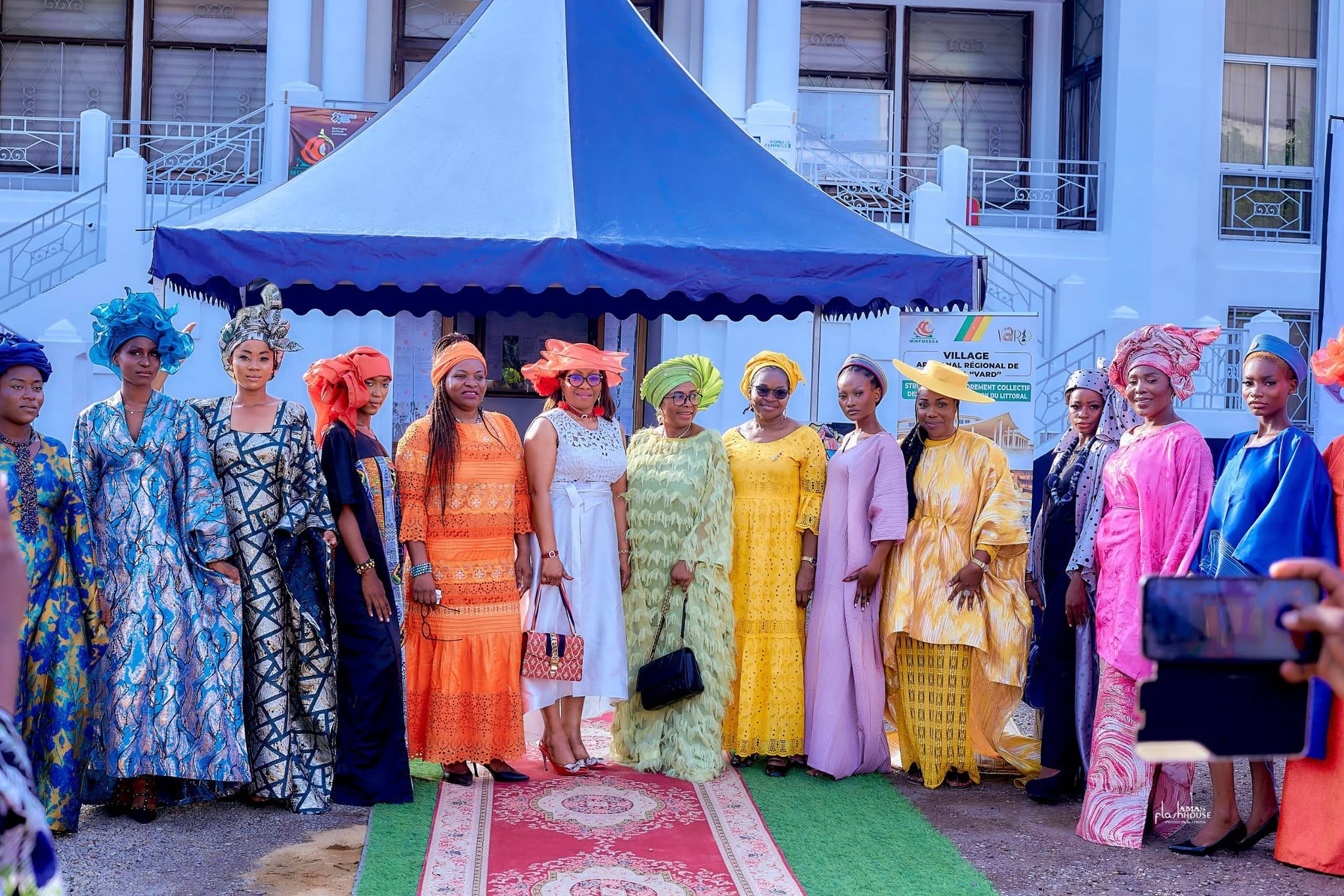
As the African Continental Free Trade Area gradually reshapes commercial dynamics across the continent, Cameroon is increasingly viewing women entrepreneurs not merely as beneficiaries of inclusion policies, but as strategic actors in economic transformation. The forum held in Douala highlighted this shift, placing female-led enterprises at the center of the country’s regional trade ambitions.
The gathering brought together business owners, policymakers, support institutions and industry experts around a common objective: improving the ability of women-owned businesses to compete beyond national borders. The emphasis on services and creative industries reflects a broader recognition that future African growth will not be driven solely by commodities and manufacturing, but also by knowledge-intensive and culturally driven sectors.
For Cameroon, the timing is significant. While the country seeks to accelerate economic diversification and reduce dependence on traditional exports, sectors such as digital services, tourism, cultural production, design, fashion and business consulting are emerging as new sources of value creation. These industries often present lower entry barriers for entrepreneurs and offer strong potential for regional expansion under AfCFTA.
The creative economy has become a particular area of interest. Across Africa, cultural and creative industries are increasingly viewed as engines of employment and innovation. From fashion and textiles to audiovisual production, gastronomy and digital content creation, these sectors generate opportunities for small businesses while projecting African brands onto international markets. For Cameroon, with its rich cultural diversity and vibrant entrepreneurial ecosystem, the challenge lies in transforming creativity into scalable commercial ventures.
The focus on trade in services is equally strategic. Services account for more than half of Africa’s GDP and represent one of the fastest-growing segments of global commerce. Yet African firms remain underrepresented in cross-border service exports due to financing constraints, limited market intelligence and fragmented regulatory frameworks. AfCFTA aims to address some of these barriers by facilitating the movement of services across member states and creating a more integrated continental marketplace.
For women entrepreneurs, however, access to finance remains a critical obstacle. Despite representing a significant share of Africa’s small business sector, women-led enterprises continue to face disproportionately high barriers to credit, investment and export support. Addressing these structural constraints will determine whether the promise of continental integration translates into tangible commercial gains.
Beyond networking and capacity building, the Douala forum reflected a broader policy direction. Cameroon is increasingly linking entrepreneurship, gender inclusion and trade competitiveness within a single economic strategy. The objective is not only to support women-owned businesses, but also to strengthen their participation in regional value chains capable of generating jobs, exports and industrial spillovers.
The economic stakes extend beyond Cameroon. Across Central Africa, where intra-regional trade remains among the lowest on the continent, expanding the role of women entrepreneurs could help stimulate cross-border commerce and deepen economic integration. As AfCFTA moves from policy framework to operational reality, the competitiveness of SMEs—particularly those led by women—will play a decisive role in determining who captures the benefits of the continent’s largest free-trade initiative.
In Douala, the message from policymakers and business leaders was clear: women’s entrepreneurship is no longer viewed solely through the lens of social inclusion. It is increasingly regarded as a strategic lever for economic diversification, regional competitiveness and long-term growth in Cameroon and across Africa.

 La voix des entreprises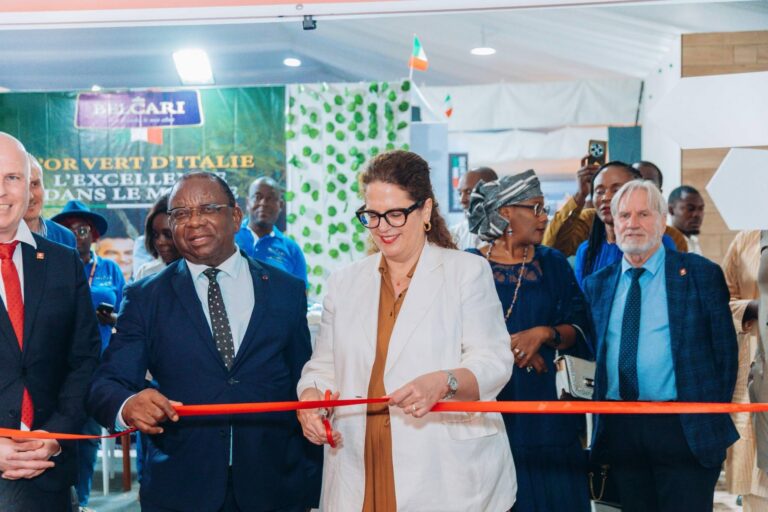
 Esther Grâce