

AFRICAN TRADE FINANCE : Afreximbank Reports 25% Increase in Net Profit in Q1 2026

(LVDE) – In the first quarter of 2026, Afreximbank posted a net profit of $268.9 million, representing a 25% year-on-year increase, according to a statement released on May 22, 2026. Headquartered in Cairo and specialized in African trade finance, the institution also expanded its loan portfolio to $42 billion as of March 31, 2026, despite a global environment marked by financial volatility and persistent pressures on international markets.
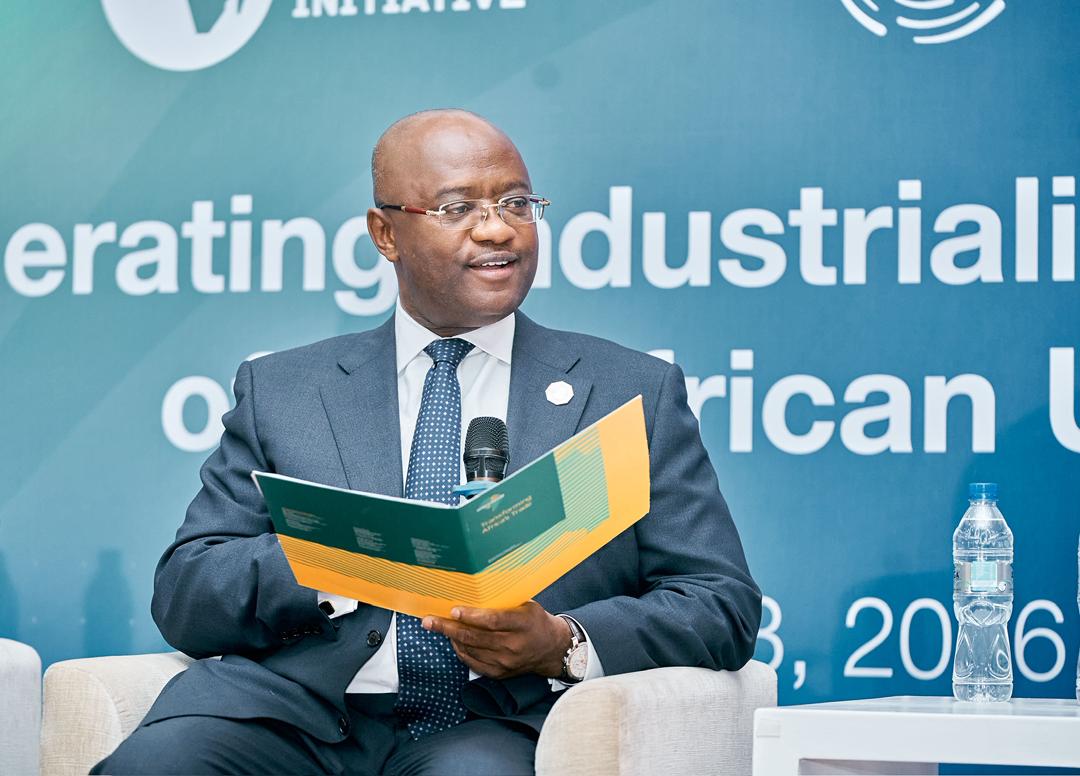
George Elombi, Pdt Afreximbank
Amid ongoing monetary uncertainty and growing fragmentation of global trade, Afreximbank’s performance underscores the resilience of its business model, which is focused on financing intra-African trade. The institution recorded a 14% increase in interest income, reaching $813.6 million, reflecting sustained lending activity to African governments, corporations, and financial institutions.
Net interest income rose to $510 million, up 24% year-on-year, highlighting the bank’s ability to mobilize funding under relatively favorable conditions despite the overall increase in the cost of capital worldwide. Meanwhile, its total loan portfolio reached $42 billion, reinforcing its strategic role in financing economic development across the continent.
Total assets stood at $41.7 billion, while the non-performing loan (NPL) ratio remained under control at 2.4%, compared with 2.43% at the end of 2025. The bank considers this level manageable and below the average observed in several African development finance institutions, according to benchmarks used by rating agencies and multilateral organizations.
Despite these solid financial indicators, the bank’s cost structure warrants closer attention. Operating expenses increased by 38% to $103.9 million, driven by higher personnel costs ($46.3 million, up 23.4%), administrative expenses ($41 million, up 27.9%), and depreciation charges ($16.5 million, up 188.7%). The increase reflects both the expansion of operations and the impact of persistent inflationary pressures.
As a result, the cost-to-income ratio rose to 19%, compared with 16% in the same period last year. Although still well below the institution’s strategic threshold of 30%, the trend suggests growing pressure on operational efficiency as Afreximbank continues to expand its footprint across Africa.
Another area of concern is liquidity. Cash and cash equivalents declined by 24%, reaching $5.6 billion at the end of March 2026. The decrease comes amid recent warnings from Fitch Ratings regarding Afreximbank’s exposure to certain African sovereigns facing fiscal challenges and elevated debt burdens.
To cushion member states against external shocks, particularly those linked to economic disruptions in the Gulf region, the bank launched a $10 billion special financing program in March 2026. The initiative is designed to support countries facing pressures in the energy, fertilizer, food, and tourism sectors by facilitating access to foreign currency and reducing liquidity risks.
Afreximbank also achieved a significant institutional milestone with South Africa’s accession to its Establishment Agreement in February 2026. This development gives the bank full continental coverage and further strengthens its position as a key driver of African economic integration and trade financing.
In a financial landscape still heavily dependent on external capital flows, these results highlight the growing influence of a financial institution increasingly viewed as a cornerstone of Africa’s financial sovereignty.

 La voix des entreprises
 Esther Grâce