


HEATWAVES, FLOODS AND LANDSLIDES : ONACC Places Several Regions of Cameroon Under High Alert

(LVDE) – In its 260th ten-day climate forecast bulletin covering the period from May 11 to 20, 2026, the Observatoire National sur les Changements Climatiques (ONACC) warned of high risks of extreme weather events across several regions of Cameroon. Heatwaves, thunderstorms, violent winds, floods, landslides and hailstorms could affect both the northern part of the country and the regions of Littoral, West, Centre, South, North-West and South-West.
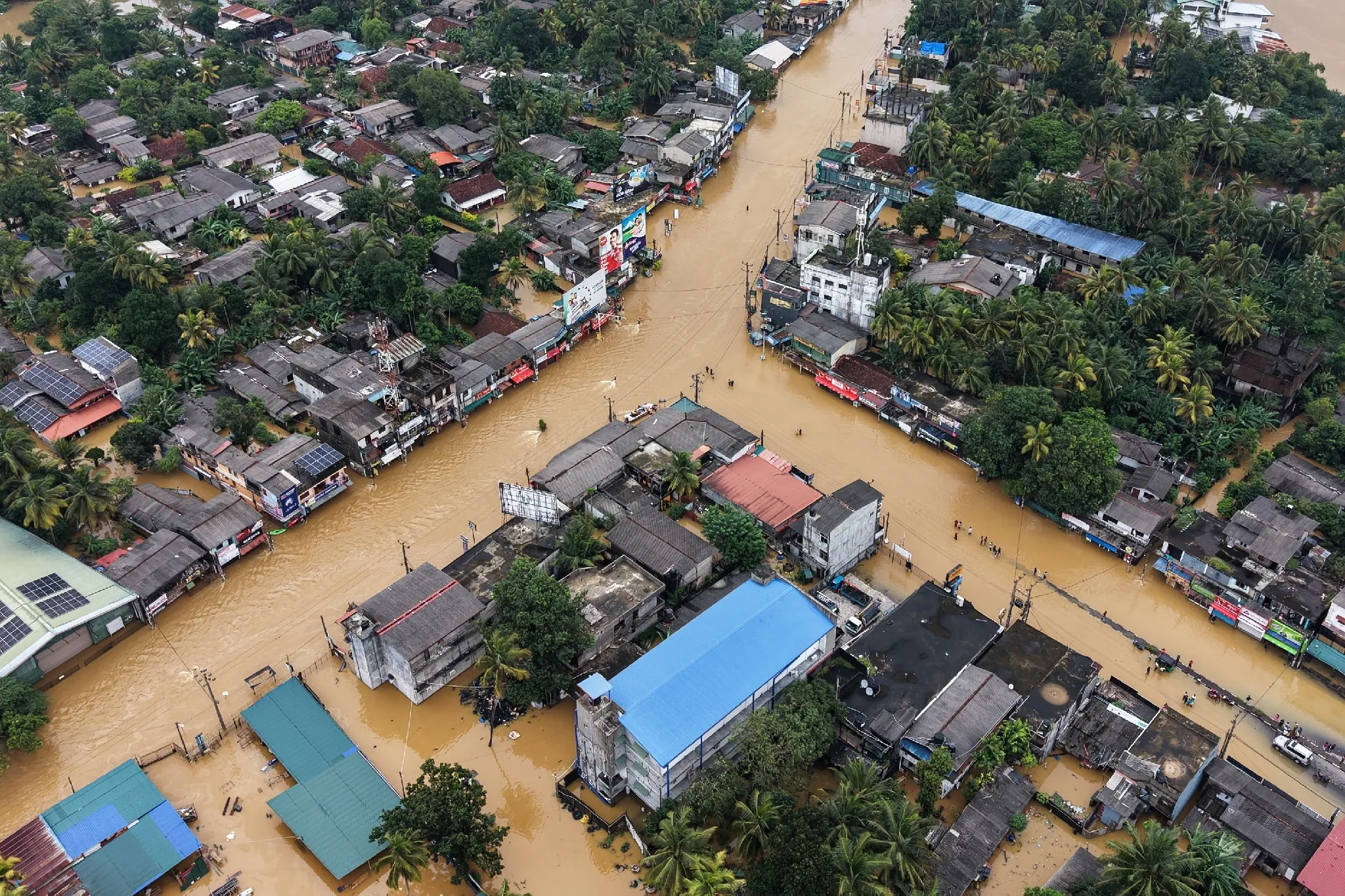
Dark clouds are gradually gathering over several Cameroonian cities. In Douala, heavy skies already signal the season’s first downpours, while in the northern regions, temperatures become stifling from the early hours of the morning. In some neighborhoods of Yaoundé, residents anxiously monitor clogged drainage systems and flood-prone marshlands, areas regularly overwhelmed during periods of heavy rainfall. This growing concern comes as the Observatoire National sur les Changements Climatiques releases a new series of climate alerts for the period between May 11 and 20, 2026.
According to the institution’s forecasts, several parts of the country could face particularly severe weather conditions in the coming days. In northern Cameroon, the Far North and North regions are expected to experience exceptionally high temperatures. Forecasts indicate peaks reaching up to 43.4°C in some areas of the Far North between May 11 and 17, excluding parts of the Mayo-Tsanaga Division. In the North Region, temperatures could climb to 40.7°C, especially in the Mayo-Louti, Bénoué and northern Mayo-Rey divisions.
Beyond the extreme heat, experts are also warning of a high risk of thunderstorms accompanied by violent winds in several areas of the country. The Far North, North and parts of the South-West Region could be affected by these disturbances, which may damage fragile housing, electricity networks and road infrastructure.
In major urban centers, attention is mainly focused on flood risks. ONACC identifies several localities as particularly exposed between May 12 and 19. In Yaoundé, the neighborhoods of Nkolbisson, downtown, Nkolmesseng, Mballa III and Elig-Edzoa are listed among the high-risk areas. In Douala, parts of the 4th and 5th districts are also under close monitoring. The cities of Kribi, Akonolinga, Wum, Limbe and Batibo also appear in the Observatory’s forecasts.
Landslides represent another major concern. In the mountainous areas of the South-West, North-West and West regions, several localities could experience ground movements between May 14 and 20. Wabane, Menji, Lewou, Momo, Haut-Kam, Menoua and Bamboutos are identified among the most vulnerable zones. Such incidents generally occur after heavy rainfall on soils weakened by erosion and uncontrolled settlement on slopes.
Populations in the West and North-West regions may also face another less frequent but potentially destructive phenomenon: hailstorms. These episodes can damage crops, destroy rooftops and disrupt movement in isolated localities.
In Cameroon, extreme weather events are becoming increasingly recurrent. According to several environmental reports, floods and landslides recorded in recent years have caused significant human and material losses, particularly in densely populated urban areas. Specialists regularly warn about the effects of climate change, worsened by unplanned urbanization and inadequate drainage systems.
In response to these forecasts, authorities are urging populations to strengthen preventive measures, especially in flood-prone areas and zones exposed to landslides. Meteorological services are also recommending heightened vigilance for agriculture, transportation and public health activities during this period of severe atmospheric disturbances.


 La voix des entreprises
 Esther Grâce