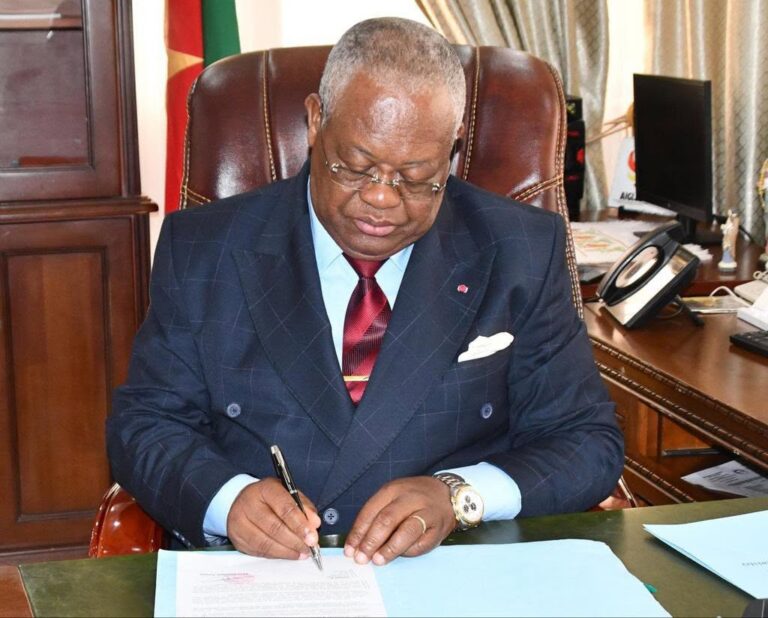


CAMEROON : CDHC and MINPROFF strengthen cooperation to combat gender-based violence

(LVDE) – In Yaoundé on April 10, 2026, the Minister of Women’s Empowerment and the Family, Marie Thérèse Obama épse Abena Ondoa, and the President of the Cameroon Human Rights Commission, James Mouangue Kobila, agreed to strengthen their cooperation to intensify the fight against gender-based violence, amid an alarming rise in femicides and abuses targeting women and girls.
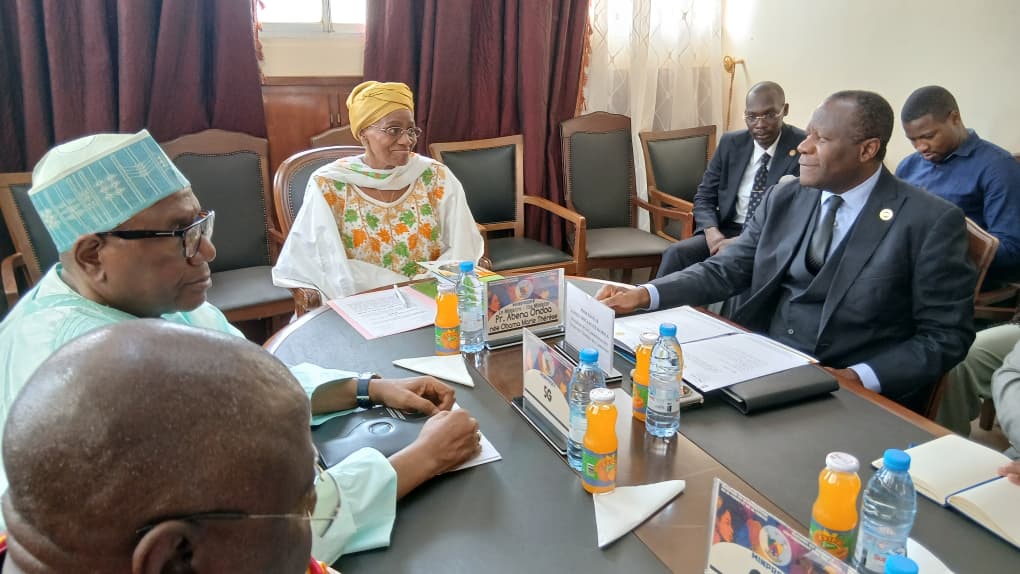
Marie Thérèse Obama épse Abena Ondoa, Minister of Women’s Empowerment and the Family, and James Mouangue Kobila, President of the Cameroon Human Rights Commission.
The surge in gender-based violence in Cameroon has reached a critical threshold. Confronted with this troubling escalation, public authorities are raising their response and stepping up action. Through a strategic meeting, the Minister of Women’s Empowerment and the Family and the President of the Cameroon Human Rights Commission demonstrated a shared determination to combine their efforts to curb this phenomenon sustainably.
Inside the ministry’s conference room, the assessment was unequivocal. Femicides, infanticides, domestic, economic and psychological violence are on the rise, fueling widespread public outrage. This situation, deemed intolerable, calls for immediate and coordinated responses.
The figures underscore the urgency. According to UN Women, one in three women worldwide experiences physical or sexual violence in her lifetime. In Cameroon, data from the United Nations Population Fund indicate that about 51% of women have already faced violence in various forms. This reality elevates the issue to a national priority.
To reverse the trend, the CDHC and the ministry intend to shift into higher gear. At the heart of this effort is a draft law currently being finalized, aimed at strengthening the legal framework against gender-based violence. The proposed legislation is expected to include stricter measures for prevention, victim protection, and the prosecution of perpetrators.
For James Mouangue Kobila, the fight cannot be effective without broad mobilization. He calls for greater involvement from public institutions, civil society, and traditional and religious leaders to break the silence and end impunity. In this regard, the CDHC plans to tighten its conciliation mechanisms in marital disputes by clearly identifying responsibilities in its reports, which can now be used before the courts.
For her part, Marie Thérèse Obama épse Abena Ondoa advocates for a comprehensive and structured approach. Alongside the draft law, the ministry is working to enhance women’s participation in political life. With upcoming legislative and municipal elections, a quota system for electoral lists is under consideration to improve women’s representation in decision-making bodies.
Beyond the commitments made, this meeting marks a turning point. It reflects growing awareness at the highest levels of government and a clear determination to tackle a scourge that is undermining the social fabric. The challenge now is to translate this momentum into concrete actions capable of sustainably reducing gender-based violence in Cameroon.

 La voix des entreprises
 Esther Grâce