

INDUSTRY : Côte d’Ivoire enters Africa’s Top 10, ahead of Nigeria and Ghana

(LVDE) – The African Development Bank (AfDB) has ranked Côte d’Ivoire among the ten most industrialized economies in Africa in its 2025 Industrialization Index. With a score of 0.6173, the country places 10th on the continent. Published in May 2026, the ranking highlights the success of more than a decade of economic diversification policies and confirms Abidjan’s emergence as one of West Africa’s leading industrial hubs.
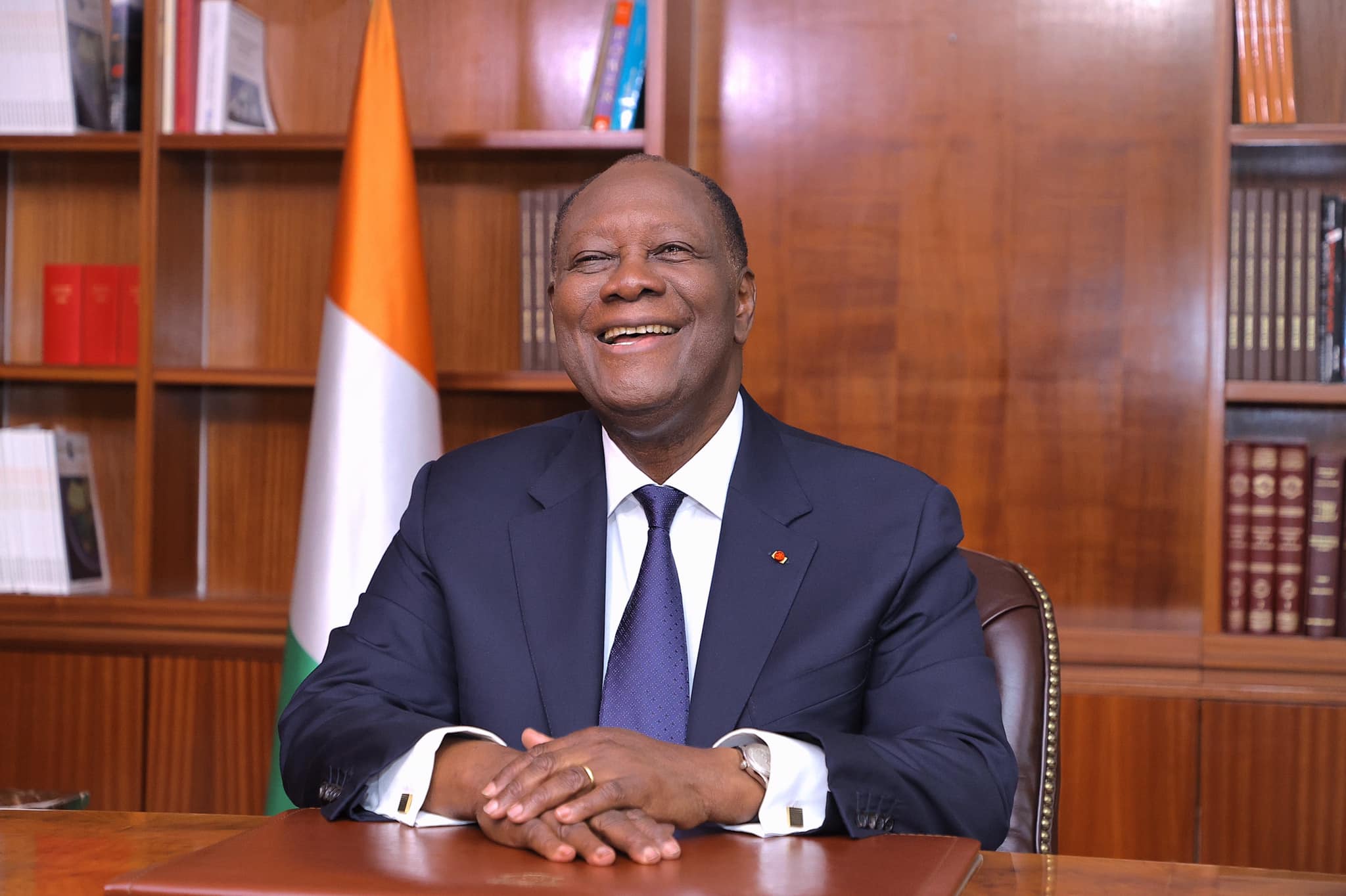
Alassane Ouattara, President of the Republic of Côte d’Ivoire.
Long considered primarily an agricultural economy, Côte d’Ivoire continues its industrial transformation. According to the 2025 Africa Industrialization Index (AII 2025) released by the African Development Bank African Development Bank, the country is now among the ten most industrialized economies on the continent. With a score of 0.6173, it ranks 10th in Africa, climbing four places since 2010 and now surpassing several regional heavyweights, including Nigeria and Ghana.
This progress marks a key milestone in the economic transformation strategy pursued by Ivorian authorities over the past decade. After entering the top quintile of the index for the first time in 2023, Côte d’Ivoire continues its upward trajectory, driven by sustained growth, industrial investment, and economic diversification. According to the AfDB, the country recorded average economic growth of 6.5% over the period covered by the 2021–2025 National Development Plan (PND), while GDP expanded by 6% in 2024—above the Sub-Saharan African average.
Beyond macroeconomic performance, analysts highlight the country’s structural transformation. The index places significant weight on manufacturing value added, which accounts for nearly half of the overall score. On this front, Côte d’Ivoire benefits from its strategy of local transformation of agricultural commodities. As the world’s leading cocoa producer and a major player in the cashew sector, the country is expanding processing capacity to capture more value along the supply chain.
This momentum has boosted the secondary sector, which now represents around 24% of GDP. Agro-industry remains the main driver, but it is increasingly complemented by growth in extractive industries, energy, construction materials, and public works. As the largest economy in the West African Economic and Monetary Union West African Economic and Monetary Union, Côte d’Ivoire accounts for roughly 40% of the bloc’s GDP and more than 42% of its exports, reinforcing its role as a regional economic powerhouse.
At the continental level, the 2025 ranking also reflects a gradual reshaping of Africa’s industrial landscape. Morocco now leads the index ahead of South Africa, while Senegal climbs to 8th place. In West Africa, Côte d’Ivoire and Dakar now form the leading duo in industrial performance, underscoring the growing weight of Francophone economies in African manufacturing value chains.
However, challenges remain. Public debt has risen from about 38% of GDP in 2019 to nearly 60% in 2024. Territorial disparities persist, with Abidjan still concentrating most industrial and economic activity. The informal sector also remains dominant, accounting for more than half of national output and over 90% of employment, limiting the inclusive impact of growth.
Despite these constraints, the African Development Bank considers Côte d’Ivoire one of the African economies best positioned to accelerate industrialization. Supported by infrastructure investment, relative macroeconomic stability, and an ongoing push to process raw materials locally, the country is steadily establishing itself as one of the continent’s emerging industrial centers and a reference point for economic diversification in West Africa.

 Esther Grâce
 La voix des entreprises