

INDUSTRIALISATION : Cameroon Tyres Factory Reaches a Key Milestone in Its CFA413 Billion Industrial Project

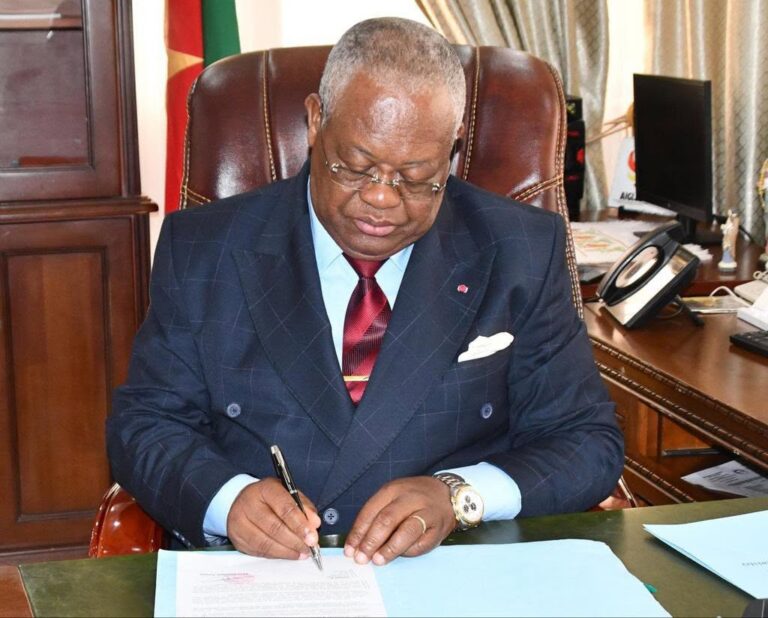
(LVDE) – On May 22, 2026 in Douala, Cameroon Tyres Factory Project SA, backed by businessman Antoine Ndzengue through Neptune Holding, reached a new milestone in its tyre manufacturing project in Bekoko. The company received a letter of intent from Indian group GHV Infra Projects Limited for the construction of an industrial complex valued at €630 million, or approximately CFA413 billion, aimed at producing 7.6 million tyres annually over a 36-month period.
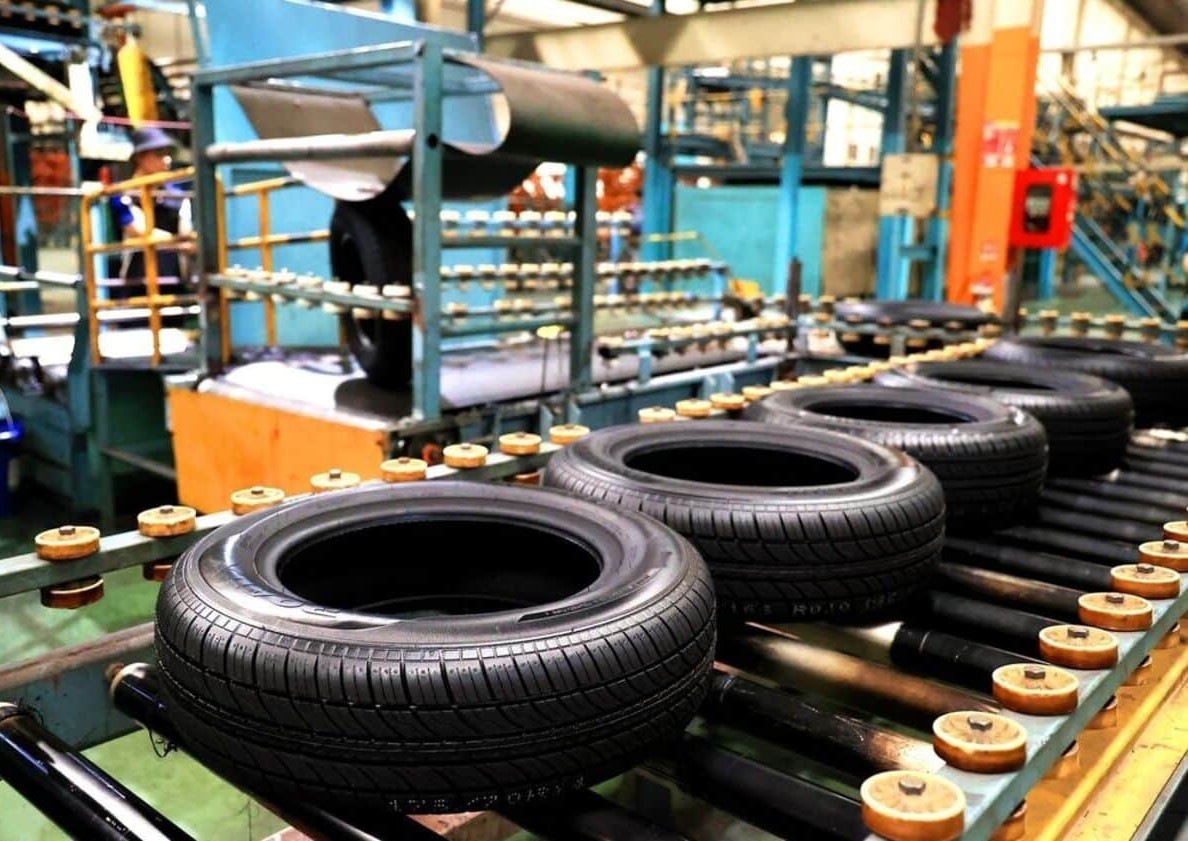
Sailun - thương hiệu lốp ô tô tiên phong trong lĩnh vực sản xuất xanh và thông minh
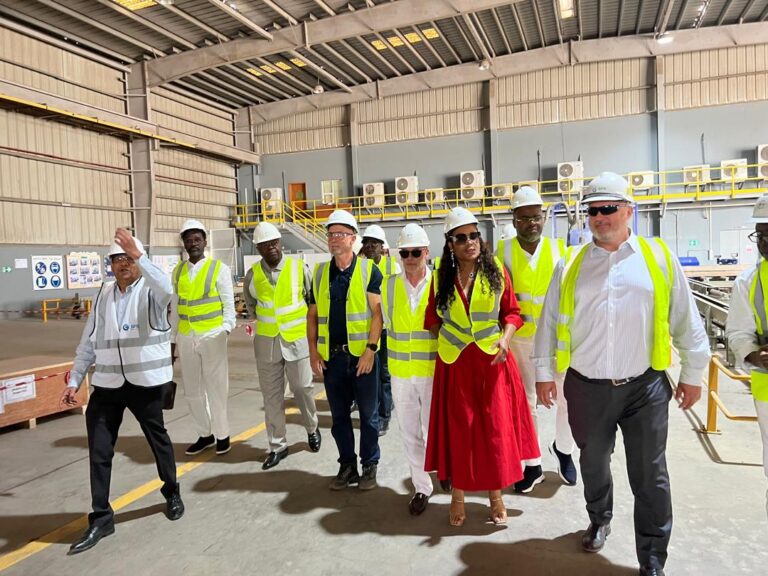
The industrial project led by Cameroon Tyres Factory Project SA is now entering a more structured phase, marked by the involvement of an international technical partner. Indian engineering group GHV Infra Projects Limited confirmed that it had issued a letter of intent covering the turnkey construction of a greenfield tyre manufacturing plant in Bekoko, on the outskirts of Douala, Cameroon’s main economic hub.
According to details released by the Indian company, the project is expected to reach an annual production capacity of 7.6 million units, positioning the future facility among the most ambitious industrial ventures currently planned in Cameroon. The EPC contract — covering engineering, procurement and construction — is valued at €630 million excluding taxes, with an execution timeline of 36 months from the official commencement order.
The announcement represents a significant evolution from the project initially unveiled in 2023, which was then estimated at around CFA400 billion with a planned capacity of 4.6 million tyres per year and approximately 2,500 projected jobs. At the time, the proposed site was Bomono. The shift toward Bekoko, combined with the increase in announced industrial capacity, reflects a strategic reconfiguration of the project.
Within the Neptune Holding ecosystem, the tyre plant is intended to become a major industrial pillar. The group owned by businessman Antoine Ndzengue aims to develop an integrated value chain around natural rubber production, relying notably on local rubber producers and the Cameroon Development Corporation, which has been cited as a potential supplier of raw materials.
From a capital structure perspective, the transformation of Cameroon Tyres Factory Project SA has been accompanied by restructuring efforts designed to strengthen its financing capacity. The company’s share capital, initially set at CFA100 million, was expected to increase to more than CFA15.2 billion through a share issuance operation intended to support the industrial scaling of the project and reinforce its credibility with financial partners.
The project’s positioning responds to a structural economic reality: Cameroon’s heavy dependence on imported tyres. With the expansion of the vehicle fleet, the growth of road transport and rising logistics demand, domestic tyre consumption continues to increase, placing additional pressure on the country’s trade balance and distribution costs.
To secure financing, the project promoter had mandated international advisory structures, including subsidiaries linked to European banking groups, to arrange a financial syndication involving the Central African States Development Bank (BDEAC), Afreximbank and several local commercial banks. However, despite repeated announcements, none of the financial institutions mentioned has yet publicly confirmed its participation in the project.
The initial timetable, which projected the start of construction by the end of 2023, has not been respected, fueling caution regarding the project’s effective materialization. At this stage, the letter of intent issued by GHV Infra Projects Limited appears more as a sign of advanced structuring than confirmation of an operational launch.
If completed, the Bekoko plant would rank among Cameroon’s largest private industrial investments, further strengthening Neptune Holding’s presence in strategic sectors ranging from logistics and energy to distribution and services. The challenge now lies in transforming the announcement into tangible industrial execution, in a context where major infrastructure and manufacturing projects often face financing and implementation constraints.

 La voix des entreprises
 Esther Grâce