

PORT INFRASTRUCTURE : Douala Autonomous Port chooses Hydrac to secure its strategic construction projects

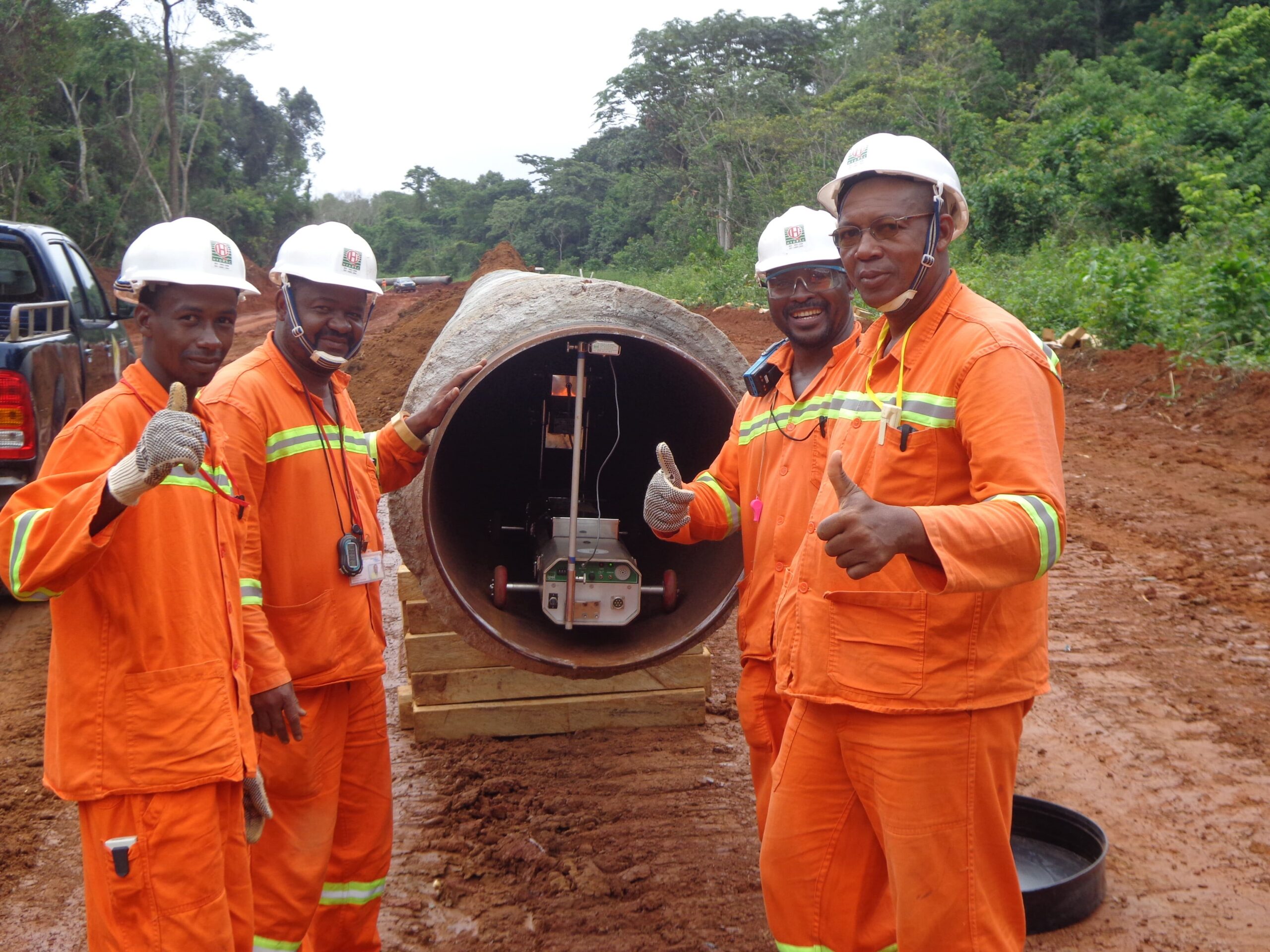
(LVDE) — As part of its modernization drive, the Douala Autonomous Port (PAD) is strengthening technical control over its infrastructure assets. The port authority plans to partner with Hydrac, a subsidiary of the National Hydrocarbons Corporation (SNH), to ensure the reliability, compliance, and safety of its major structural development projects.
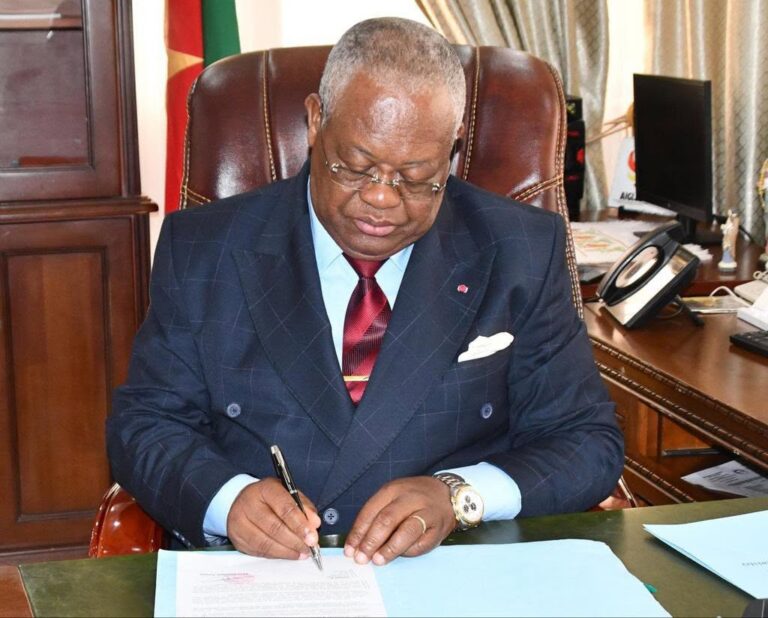
The Douala Autonomous Port is accelerating its technical security strategy as several major projects are currently underway within its facilities. PAD plans to formalize cooperation with Hydrocarbons, Analyses and Controls (Hydrac) to oversee the quality and technical supervision of its infrastructure. The announcement was made on February 27, 2026, by the General Manager, Cyrus Ngo’o, during an inspection visit to ongoing port construction sites.
According to the general manager, this partnership aims to involve Hydrac from the design phase through to final project delivery. The objective is to guarantee structural strength, compliance with international standards, and reduced technical risks in a highly demanding logistics environment. The Port of Douala, Cameroon’s main maritime hub and commercial gateway to Central Africa, handles millions of tons of goods annually bound for inland countries.
Initially specialized in petroleum inspection — a critical activity for the port’s energy terminals — Hydrac has expanded its expertise. The company provides cargo measurement, petroleum container sealing, and loss analysis during transshipment operations. Created in 1982 to protect Cameroon’s economic interests in petroleum transactions, the company has since diversified into technical construction inspections, laboratory analysis, environmental monitoring, and technical training.
The partnership also supports the modernization of key infrastructure, including the construction of a 300 MW power plant to secure energy supply for the port complex and the renovation of the fishing terminal and bulk cargo terminal. These projects align with Cameroon’s national strategy to improve logistical competitiveness, as more than 80% of the country’s foreign trade passes through the Port of Douala.
For PAD, the challenge goes beyond simple technical maintenance. The goal is to strengthen investor confidence, improve operational performance, and position Douala as a leading maritime hub in Central Africa. In a context where African ports compete to attract regional trade, infrastructure quality and technical reliability have become key competitiveness drivers.
Raphael Mforlem

 Esther Grâce
 La voix des entreprises