

MISINFORMATION : Nestlé Cameroon Builds Young Journalists’ Capacity in Douala

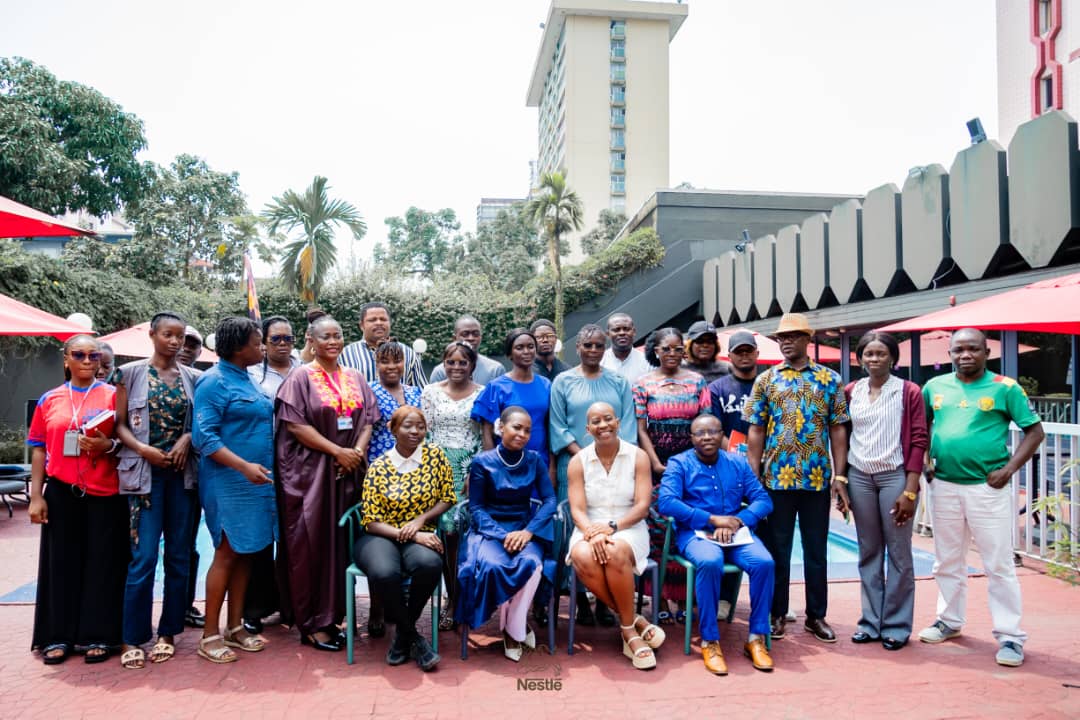
(LVDE) — Facing the rising spread of misleading content across digital platforms, Nestlé Cameroon organized a fact-checking training workshop in Douala on February 27, 2026. The initiative aimed to strengthen young journalists’ ability to distinguish reliable information from rumors in a media environment characterized by the rapid circulation of online content.
In Cameroon’s economic capital, young media professionals participated in a capacity-building program dedicated to combating misinformation. Led by Nestlé Cameroon — a major agri-food company operating across several Central African markets — the training was part of a broader commitment to social and information responsibility. The objective was to raise journalists’ awareness of the importance of verifying facts in a context marked by the proliferation of fake news.
The workshop was facilitated by experienced journalist Clarence Yongo, who has more than two decades of professional experience. From the beginning, emphasis was placed on the need to produce credible information. Referring to modern journalism principles, the trainer stressed that media content production requires rigorous editorial choices based on objectivity and critical source analysis. This approach is increasingly necessary in an era where social media accelerates the spread of unverified information.
During subsequent sessions, participants were also alerted to the risks associated with online buzz phenomena and digital manipulation campaigns. In an information ecosystem dominated by speed, rumors can spread quickly, influencing public opinion and sometimes damaging organizational reputations. According to the Reuters Institute Digital News Report 2025, more than 60% of African internet users have already encountered fake information online, highlighting the scale of the challenge.
The training also focused on practical fact-checking methods. Fact-checking was presented as a structured process based on identifying reliable sources, using open data platforms, and systematically cross-checking information. This approach remains essential for strengthening the credibility of traditional media in the face of competition from digital platforms.
Nestlé Cameroon, which operates a major industrial site in Douala-Bonabéri, is directly affected by these information challenges. The company, present in several Central African countries, regularly faces misinformation campaigns concerning its products or recruitment policies. Company officials believe that fighting false information helps protect consumers and maintain economic stability.
According to Valérie Ngo Mbeng, Dairy Category Manager for Central Africa at Nestlé, information should retain a human and social dimension. She emphasized the role of journalists in promoting responsible communication in service of communities. The session concluded with a call for rigorous journalism in a world where data verification is becoming a professional necessity.
Esther Grace

 Esther Grâce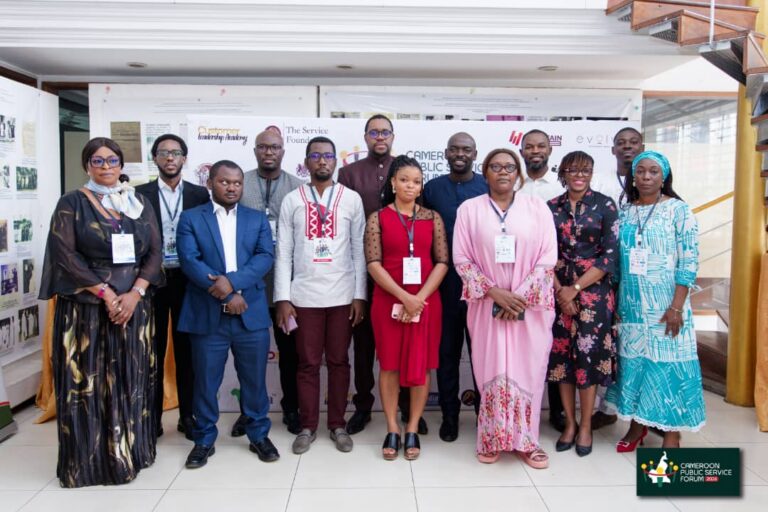
 La voix des entreprises