

MODERNISATION OF THE HILTON YAOUNDE : Three brokerage firms selected to raise 25 billion FCFA

(LVDE) – In April 2026 in Yaoundé, the Cameroon Hotels Corporation (CHC) selected a consortium made up of Attijari Securities Central Africa, AFG Capital and Financia Capital to structure a fundraising operation aimed at financing the modernisation of the Hilton Yaoundé and its adjoining shopping centre. The transaction, estimated at around 25 billion FCFA, seeks to reposition this strategic asset in line with international standards.
In Cameroon’s capital, the renovation project of the Hilton Yaoundé has reached a decisive stage with the appointment of a consortium responsible for structuring its financial engineering. Following a restricted tender process, the Cameroon Hotels Corporation (CHC), the state-owned entity managing the hotel complex, opted for a group of capital markets specialists, reflecting its ambition to rely on modern financing mechanisms for this major redevelopment.
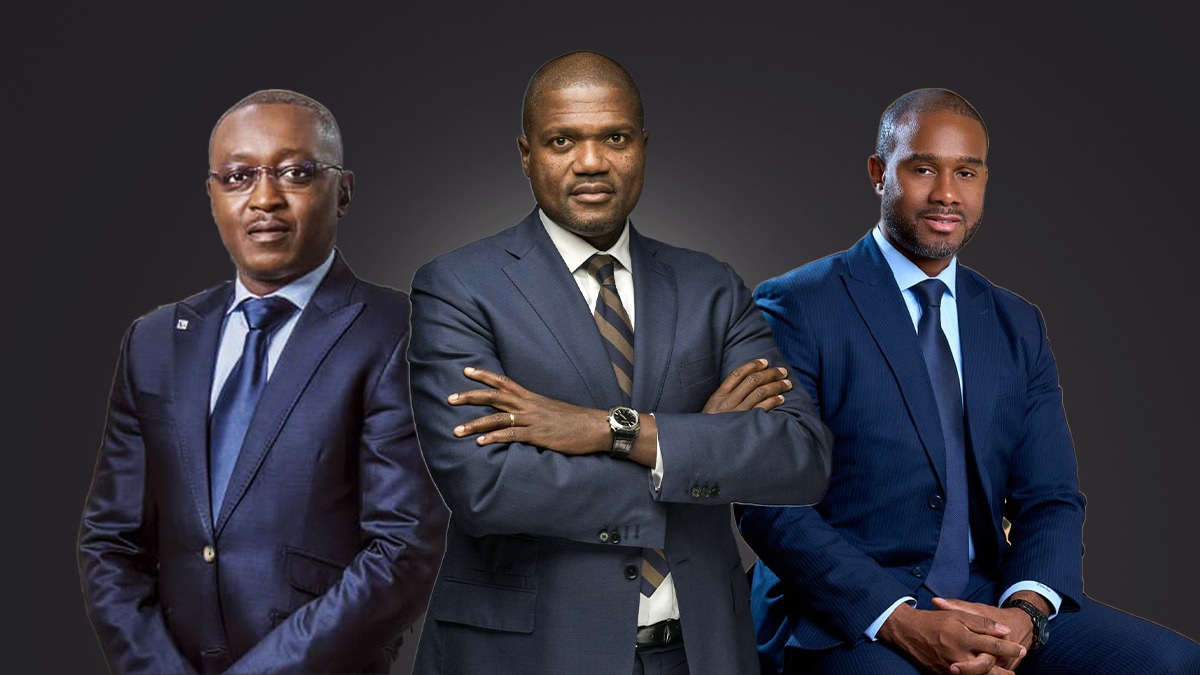
The selected consortium—comprising Attijari Securities Central Africa, AFG Capital and Financia Capital—stood out for the strength of its proposal. With a technical score of 89.5/100 and a maximum financial score, it outperformed competitors who were either disqualified for insufficient technical quality or administrative non-compliance. The mandate granted to the arrangers runs over six months, during which they are expected to mobilise the required funding.
Although the total amount of the operation has not been officially disclosed, financial parameters suggest its scale. A fee set at 1% of the funds raised indicates a mobilisation of around 25 billion FCFA, while some sources estimate the overall modernisation programme could reach close to 30 billion FCFA. This significant envelope reflects the authorities’ ambition to upgrade this iconic hospitality infrastructure.
Originally built to support the development of business tourism in Cameroon, the Hilton Yaoundé remains a key asset in the country’s upscale hospitality segment. However, amid increasing competition from private hotel operators and rising international standards, its upgrade has become necessary. The objective is to modernise facilities, improve the guest experience, and strengthen the site’s attractiveness for international conferences, institutional events and business travellers.
Cameroon’s hospitality sector is undergoing gradual transformation, driven by urbanisation, economic growth and the expansion of regional tourism. According to the World Tourism Organization (UNWTO), Central Africa has recorded a progressive recovery in hotel activity following pandemic-related disruptions, with increasing demand for high-quality infrastructure meeting international standards.
In this context, the rehabilitation of the public hotel complex is part of a broader strategy to enhance state-owned assets. For CHC, the ambition goes beyond refurbishment: it is about sustainably repositioning the Hilton Yaoundé as a regional benchmark capable of competing with private offerings and supporting the capital’s economic influence.
Beyond technical considerations, the operation also serves as a test for the local financial market. The consortium’s ability to mobilise the expected funds within tight deadlines will be closely watched as an indicator of the sector’s maturity and investor appetite for large-scale infrastructure projects in Cameroon.
Esther Grace

 La voix des entreprises
 Esther Grâce