

AGRO-INDUSTRY : PAMOL fights for survival with CFA 36 billion

(LVDE) – Facing a severe financial and industrial crisis, PAMOL Plantations Plc is seeking to mobilize nearly CFA 36 billion to modernize its oil palm plantations and rehabilitate its processing mills in Cameroon’s Southwest region. Weakened by declining production, aging infrastructure and significant salary arrears, the state-owned company hopes to regain a strategic position in the national palm oil value chain, as the country remains heavily dependent on imports.
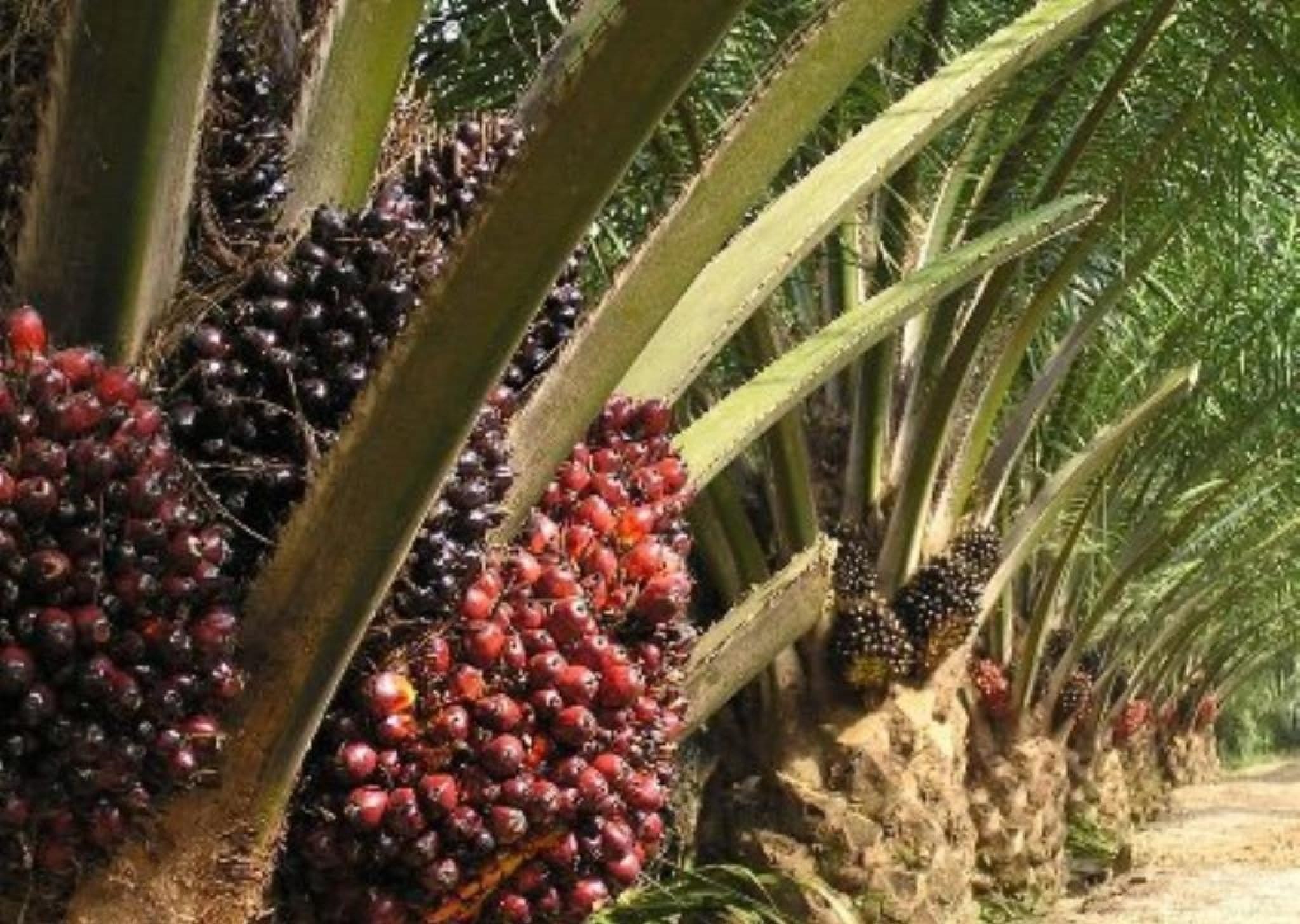
In Lobe, Ekondo-Titi and Mundemba in Cameroon’s Southwest region, PAMOL Plantations Plc’s vast oil palm estates still bear the marks of a long industrial decline. Damaged roads, outdated equipment and poorly maintained plots reflect years of operational difficulties, as the public agro-industrial operator struggles to sustain activity in a region severely affected by the ongoing Anglophone security crisis.
Once regarded as one of the historic pillars of Cameroon’s palm oil industry, PAMOL Plantations Plc is now going through one of the most critical periods in its history. According to sources close to the matter, the company is currently seeking around CFA 36 billion to restart agricultural and industrial operations, modernize its oil mills and gradually rebuild production capacity.
Created during the colonial era and later taken over by the Cameroonian state, PAMOL manages several thousand hectares of plantations in the Southwest. However, over the past decade, the company has accumulated difficulties. The security crisis affecting English-speaking regions since 2016 has significantly disrupted agricultural activities, leading to the abandonment of some plantations, breakdowns in logistics chains and the departure of part of the workforce.
These challenges are compounded by longstanding structural issues: aging industrial equipment, low mechanization, governance shortcomings and insufficient investment. The company’s processing mills are now operating far below capacity. Several employees also report months of unpaid wages and a steady deterioration in working conditions.
This situation comes at a time when Cameroon’s palm oil market is under strong demand pressure. According to estimates from the Ministry of Agriculture and various sector organizations, the country faces an annual deficit of several hundred thousand tons of crude palm oil. Despite the presence of major players such as SOCAPALM and the CDC, domestic production remains insufficient to meet the needs of both the agro-food industry and households. This gap regularly forces Cameroon to import palm oil from Asia and other African markets.
For the authorities, PAMOL’s recovery goes far beyond the survival of a struggling public company. The issue is closely tied to food sovereignty, rural employment and the economic stabilization of the Southwest and Northwest regions. In the Southwest, the company remains one of the largest agricultural employers, indirectly supporting thousands of households.
The planned financing is expected to support plantation rehabilitation, the acquisition of new industrial equipment and the modernization of processing facilities. The objective is to gradually improve agricultural yields while reducing losses linked to obsolete infrastructure.
However, the challenge remains significant. Beyond financing needs, PAMOL must restore employee confidence, secure production sites and improve governance standards. In an increasingly competitive sector dominated by large private agro-industrial groups, the state-owned company is now engaged in a decisive battle for survival.

 La voix des entreprises
 Esther Grâce