

LOCAL TAXATION : The State reasserts control over the collection of local government revenues

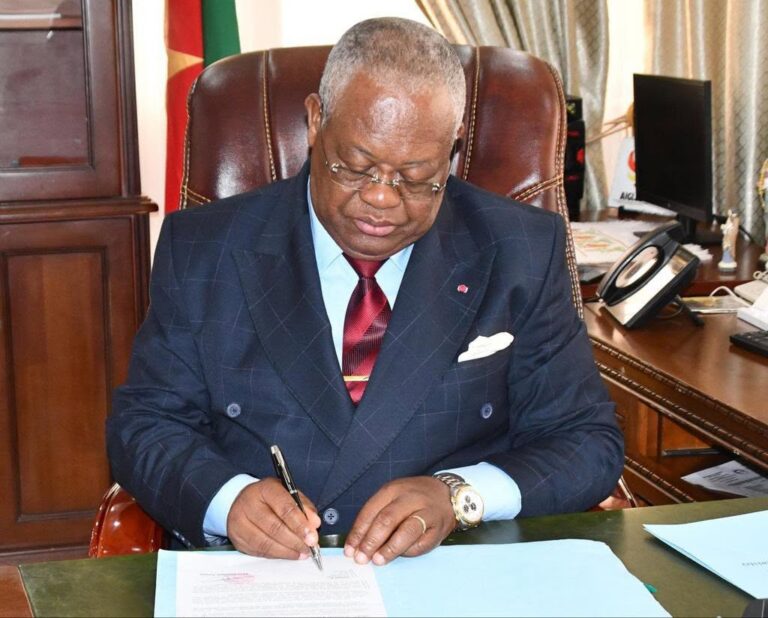
(LVDE) – The Cameroonian government formalised, on May 15, 2026, in Yaoundé, the transfer of responsibility for collecting taxes, levies and fees from decentralised local authorities back to state services. The decision, approved through a joint order signed by Louis Paul Motaze and Georges Elanga Obam, is part of the implementation of the December 2024 local taxation law and significantly reshapes the financial architecture of municipalities, urban councils and regional authorities.
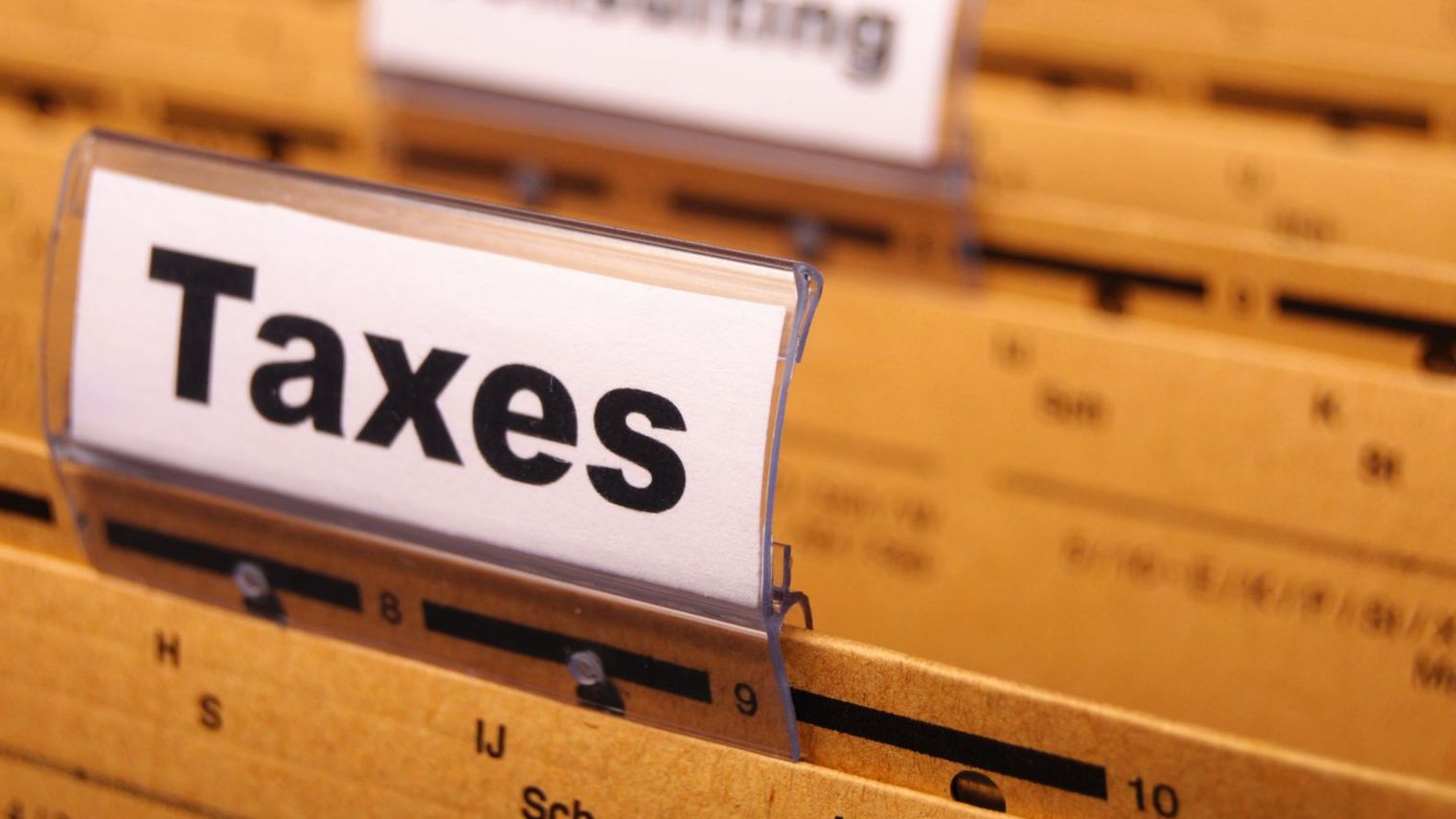
In Cameroon, a quiet but structural shift has been made in the governance of local public finances. Through a joint decree signed on May 15, 2026, authorities removed from decentralised local governments (CTDs) the direct responsibility for mobilising and collecting local fiscal revenues. From now on, this task is fully entrusted to state tax services, marking an explicit recentralisation of the collection chain.
The text specifies that the authorising officers and accountants of municipalities, district councils and urban communities are “stripped of their prerogatives relating to the issuance of fiscal revenues and the collection of municipal taxes, levies and fees.” This reorganisation stems from Law No. 2024/020 of December 23, 2024 on local taxation, which establishes a new framework for managing territorial public resources.
Under this reform, state tax services become the central actors of the system. The stated objective is to standardise collection procedures and align local taxation with national standards. The law further provides that taxes allocated to local authorities will henceforth be assessed and collected under the same conditions as state taxes, except where specific provisions apply.
To support this shift, an institutional innovation has been introduced within local authorities: the creation of local tax monitoring units. These structures, deployed down to the regional level, will be responsible for tracking the tax base, monitoring revenue flows and analysing the performance of revenues collected or transferred by state financial services.
This reform comes amid recurring tensions between the state and some local councils over the management of local revenue sources, particularly advertising fees. As early as November 2022, Louis Paul Motaze had already stated that certain municipal collection practices lacked a clear legal basis, arguing that advertising levies were not explicitly provided for in existing legislation.
On the ground, several local executives challenged this interpretation. In Yaoundé, municipal officials defended their right to collect revenues generated from public space usage. Other councils, such as Foumban, also argued that urban advertising represented a legitimate source of local funding in a context of heavy dependence on state transfers.
Behind this recentralisation, the government highlights objectives of transparency, traceability and improved fiscal efficiency. However, the reform revives a broader structural debate on the real financial autonomy of local authorities in a state that has been engaged for years in a still incomplete decentralisation process.
At its core, this decision illustrates an ongoing tension between two imperatives: strengthening the efficiency of tax collection on one hand, and preserving local governments’ ability to generate and manage their own resources on the other. A delicate balance that remains fragile within Cameroon’s institutional framework.

 La voix des entreprises
 Esther Grâce