

CAMEROON : Union Bank announces FCFA 2 billion dividend payout after 56% profit increase in 2025

(LVDE) – Meeting in General Assembly on May 6, 2026 in Douala, shareholders of Union Bank of Cameroon (UBC), a bank majority-owned by the Cameroonian State, approved a dividend distribution of FCFA 2 billion following a net profit of FCFA 5 billion in 2025, up 56%. The institution also validated a capital increase to FCFA 25 billion in order to comply with new COBAC requirements.
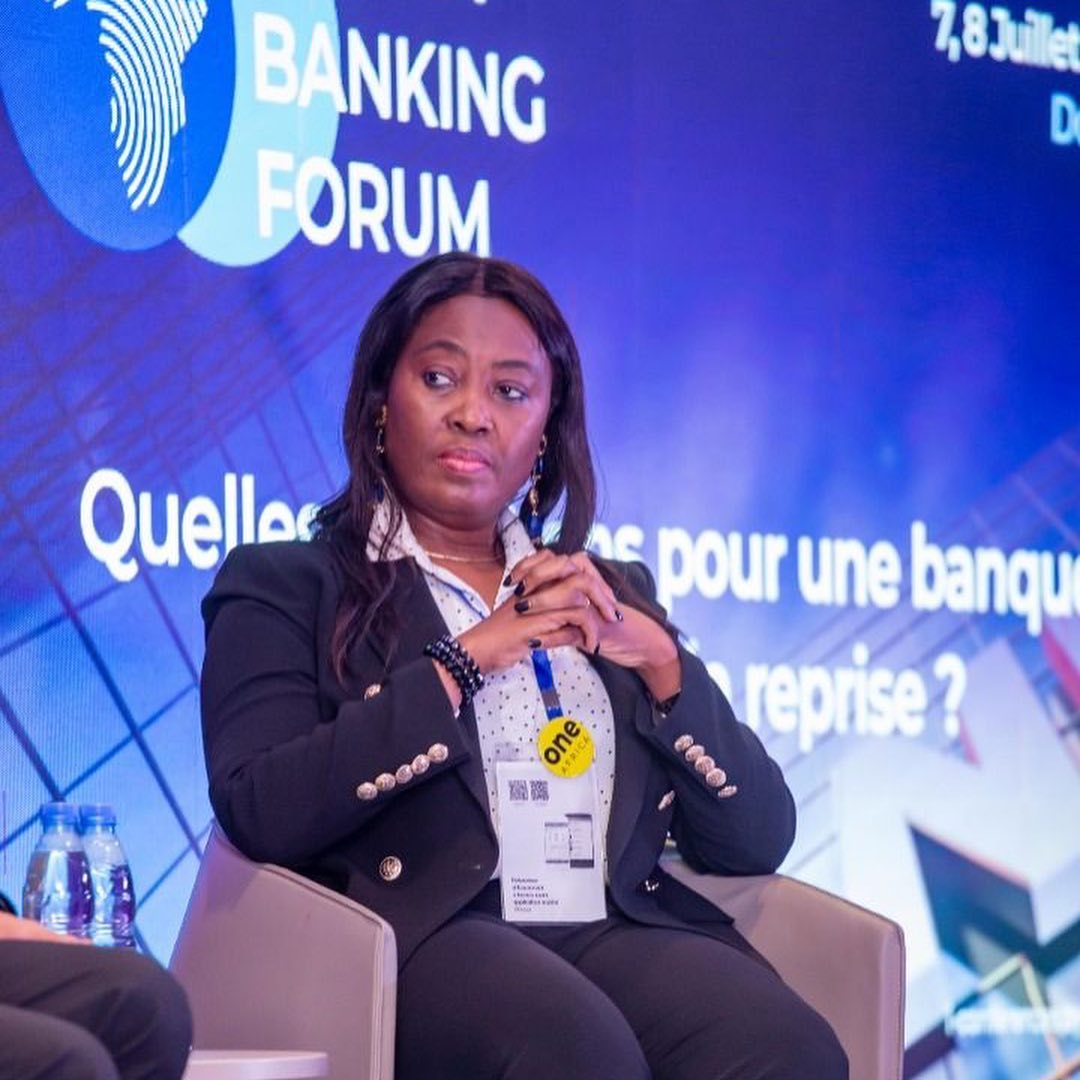
Charlotte Kouecheu Chekep, CEO of Union Bank of Cameroon.
In the subdued corridors of the venue hosting Union Bank of Cameroon’s (UBC) shareholders’ meeting in Douala, exchanges between board members, investors, and financial executives reflected a sense of satisfaction. Just a few years ago, the future of this Cameroonian bank appeared uncertain. Today, the financial indicators displayed on presentation screens point to a remarkable turnaround, gradually repositioning the institution within the national banking landscape.
On May 6, 2026, UBC shareholders approved several key strategic decisions marking a new phase in the bank’s restructuring. The most symbolic was the approval of a FCFA 2 billion dividend payout, a direct consequence of the strong performance recorded during the 2025 financial year.
According to the financial statements presented during the meeting, the bank’s net profit reached FCFA 5 billion, compared with FCFA 3.2 billion a year earlier, representing a 56% increase. Customer deposits rose by 11.5% to approximately FCFA 146 billion, while loans nearly doubled within a year, climbing from FCFA 24 billion to about FCFA 48.7 billion.
During the session, shareholders particularly highlighted the improvement in the bank’s operational efficiency. The cost-to-income ratio was reduced to 55%, down from 58% the previous year. In banking circles, this indicator is widely interpreted as a sign of improved cost control and strengthening profitability.
This upturn comes amid a broader transformation of the institution since it was taken over by the Cameroonian State. In November 2021, public authorities acquired the 54% stake previously held by Ecobank to prevent the bank’s collapse after a period of financial distress. The Cameroon Cooperative Credit Union League (CamCCUL), a historical shareholder, retained a significant stake.
For about five and a half years, the bank has been led by Chief Executive Officer Charlotte Kouecheu Chekep, supported by Deputy CEO Clément Yuyun Banboye. Under their leadership, the institution has pursued a revitalization strategy focused on commercial expansion, internal restructuring, and network strengthening. UBC now operates 12 branches across Cameroon.
Beyond financial results, the General Assembly also approved a capital increase from FCFA 10 billion to FCFA 25 billion. This move is part of the prudential requirements set by the Central African Banking Commission (COBAC), which mandates a gradual increase in the minimum capital of CEMAC banks by 2028.
Across the Cameroonian banking sector, recapitalization efforts are accelerating. Several financial institutions have recently strengthened their capital base to comply with new regional regulations. BGFI Bank Cameroon has raised its capital to FCFA 50 billion, while Afriland First Bank, BICEC, CCA-Bank, and AFG Bank Cameroon are already among the best-capitalized banks in the market.
For many financial analysts, UBC’s performance reflects a gradual shift in scale for a bank that was long considered fragile. In an increasingly competitive and tightly regulated banking environment, the institution is now seeking to consolidate its return to profitability while strengthening its position in the Cameroonian market.

 La voix des entreprises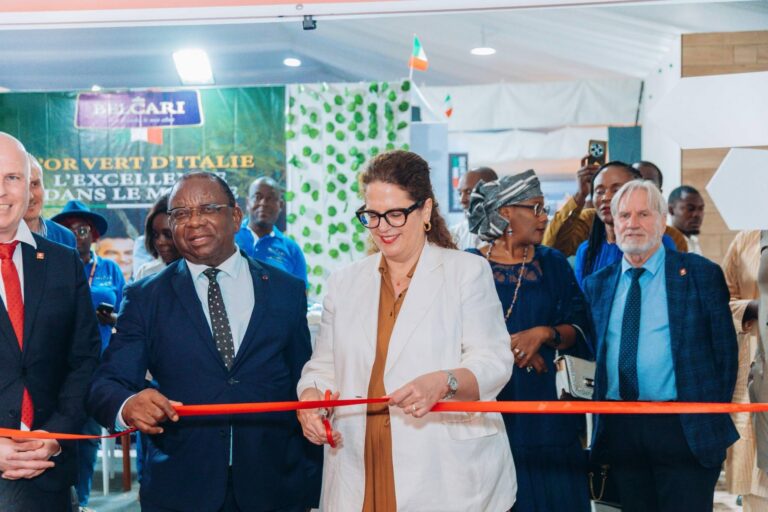
 Esther Grâce