

ENERGY SOVEREIGNTY : SCB Cameroon Reaffirms Interest in Financing the CSTAR Refinery Project

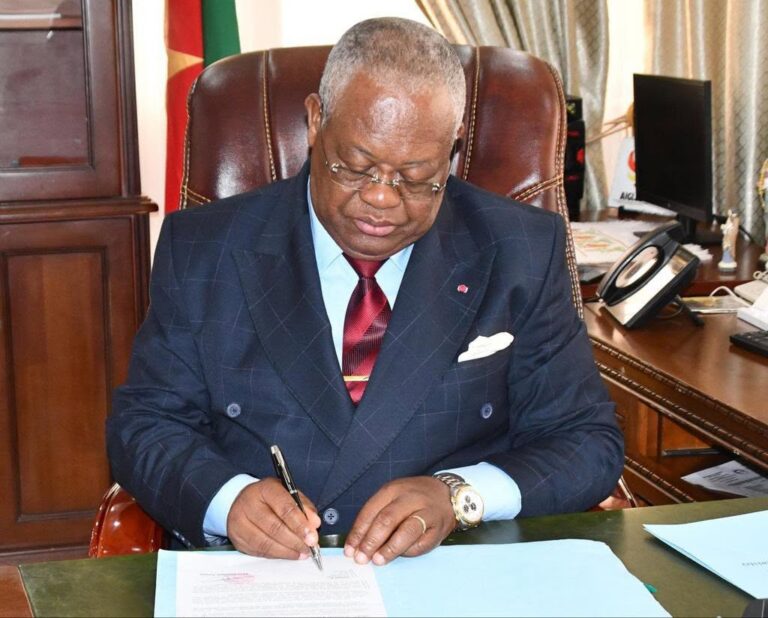
(LVDE) – In Yaoundé on May 7, 2026, a delegation from Moroccan banking group Attijariwafa Bank, led by Deputy Chief Executive Officer Youssef Rouissi and accompanied by SCB Cameroon Managing Director Nabil Kadiri, was received at the headquarters of the National Hydrocarbons Corporation (SNH) by Nathalie Moudiki, Advisor No. 2. Discussions focused on strengthening the banking partnership between the two institutions and on SCB Cameroon’s renewed interest in financing the CSTAR refinery project, considered strategic for Cameroon’s energy sovereignty.
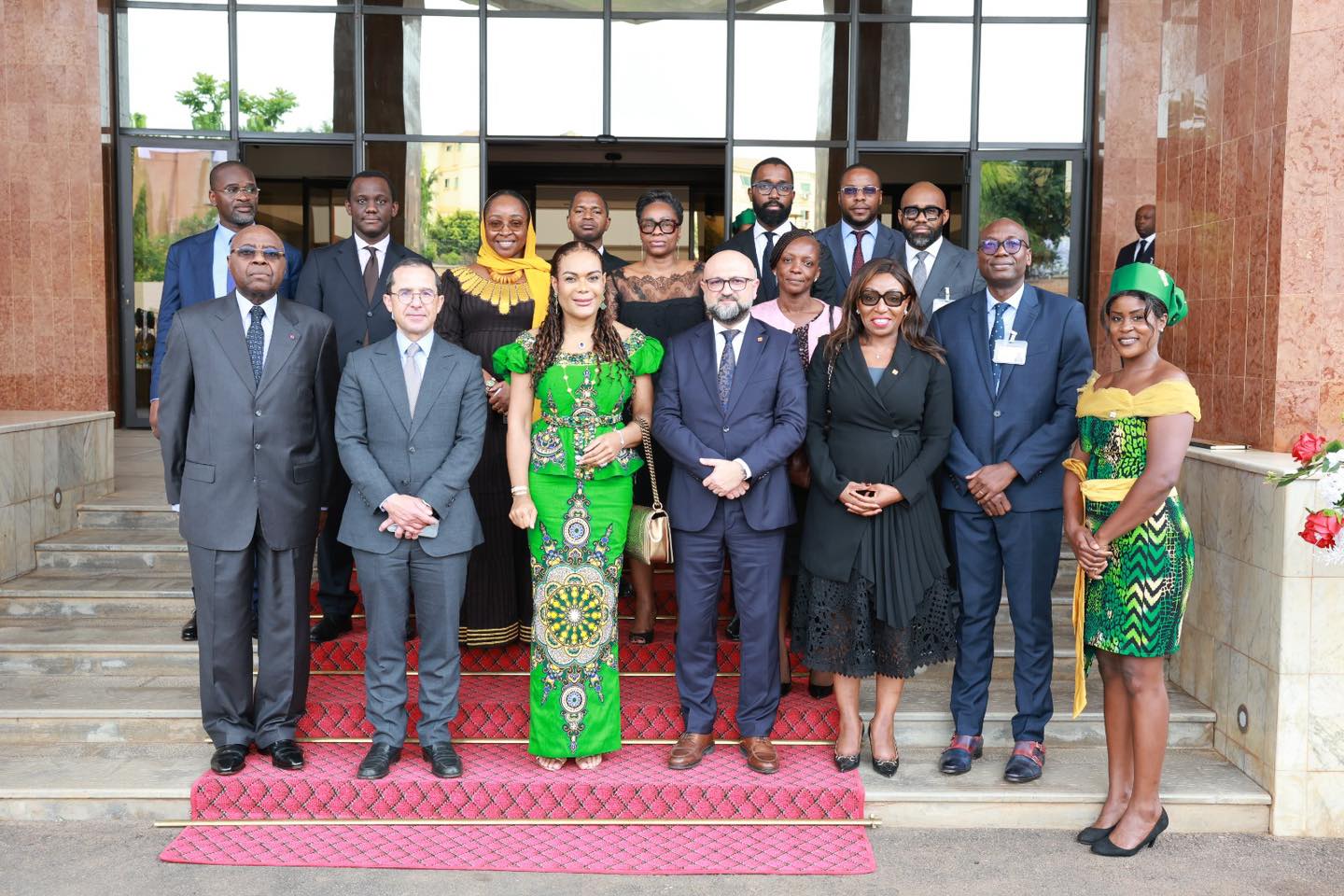
At the headquarters of the National Hydrocarbons Corporation (SNH) in Yaoundé, the working visit carried out on May 7, 2026 by a delegation from Attijariwafa Bank Group drew significant attention within Cameroon’s economic and energy circles. Beyond the institutional exchanges between officials of the Moroccan banking group and executives of SNH lies a much broader challenge: financing strategic energy infrastructure aimed at reducing Cameroon’s dependence on imported refined petroleum products.
Led by Youssef Rouissi, Deputy Chief Executive Officer of Attijariwafa Bank Group, alongside Nabil Kadiri, Managing Director of SCB Cameroon, the delegation was welcomed by Nathalie Moudiki, Advisor No. 2 at SNH. According to several sources familiar with the matter, discussions mainly focused on strengthening financial relations between the two institutions, as well as on financing prospects for the CSTAR refinery project, regarded as one of the most strategic energy initiatives currently under consideration in Cameroon. Sources: SNH, SCB Cameroon, Attijariwafa Bank.
Through this meeting, SCB Cameroon officially renewed its interest in supporting the financing of the future refinery, whose objective is to strengthen the country’s hydrocarbon processing capacity. In a context marked by volatile global oil prices and recurring tensions in international energy supply chains, Cameroon has been seeking for several years to accelerate its energy sovereignty strategy in order to reduce reliance on imported refined fuels.
The CSTAR project is therefore emerging as a key component of this new direction. Cameroonian authorities aim to develop local refining capacity capable of supporting domestic demand for petroleum products while improving national energy security. According to data from the Ministry of Water and Energy and the World Bank, Cameroon’s energy consumption continues to rise steadily, driven by demographic growth, urbanization, and expanding industrial activity.
Within financial circles, the involvement of Attijariwafa Bank Group is viewed as a strong signal for the financing of major infrastructure projects in Central Africa. As the parent company of SCB Cameroon, the Moroccan banking group has for several years pursued a continental expansion strategy focused on infrastructure, energy, and large-scale industrial projects. Operating in more than twenty African countries, Attijariwafa Bank is now considered one of the continent’s leading banking groups in terms of assets and regional coverage.
Beyond banking financing alone, the visit of the Moroccan delegation also reflects the strengthening of economic ties between Cameroon and Morocco in strategic sectors. Over recent years, both countries have multiplied partnerships in finance, telecommunications, agribusiness, and energy infrastructure, amid the growing momentum of South-South investments across Africa.
For SNH, cooperation with international financial partners remains essential to mobilize the resources required for the development of national energy infrastructure. Financing needs remain considerable. According to the African Development Bank, several billions of dollars in investments will be required across Central Africa over the next decade to modernize energy value chains, strengthen refining capacity, and support the sub-region’s industrial transition.
By reaffirming its interest in the CSTAR project, SCB Cameroon is positioning itself as a key player in financing Cameroon’s strategic energy projects, at a time when African states are increasingly seeking to secure their energy supply and develop local energy value chains.

 La voix des entreprises
 Esther Grâce