

AFREXIMBANK : Assets and Provisions Surge 21% in 2025

(LVDE) – On April 7, 2026, the African Export-Import Bank (Afreximbank) and its subsidiaries released their 2025 financial results, reporting a 21% increase in total assets and provisions, which now stand at USD 48.5 billion. This performance, recorded across Africa and the Caribbean, reflects growing market confidence and reinforces the Bank’s position as a key driver of trade finance and industrialization on the continent.
Afreximbank closed the 2025 fiscal year with remarkable financial results. Total assets and provisions rose 21% compared to 2024, from USD 40.1 billion to USD 48.5 billion, while net loans and advances reached USD 33.5 billion, a 16% increase, driven by sustained disbursement policies and effective product diversification.
The Bank focused its financing on strategic sectors such as manufacturing, infrastructure, food security, and climate adaptation. Portfolio quality remained stable, with a non-performing loan ratio of 2.43%, reflecting consistent credit discipline. Liquidity was robust, with USD 6.0 billion in cash and cash equivalents, representing 14% of total assets, well above the Bank’s 10% minimum threshold.
Equity rose 17% to USD 8.4 billion, supported by a net income of USD 1.2 billion and an additional capital injection of USD 299.4 million under the General Capital Increase II. The Bank’s gross income reached USD 3.5 billion, up 6%, while operating expenses amounted to USD 459.2 million, reflecting strategic staff expansion and inflationary pressures, yet maintaining a controlled cost-to-income ratio of 21%.
Despite concerns from certain rating agencies, Afreximbank successfully raised over USD 800 million on international bond markets through Samurai and Panda bonds, demonstrating its capacity to mobilize funds in support of Africa’s trade integration and industrialization efforts.
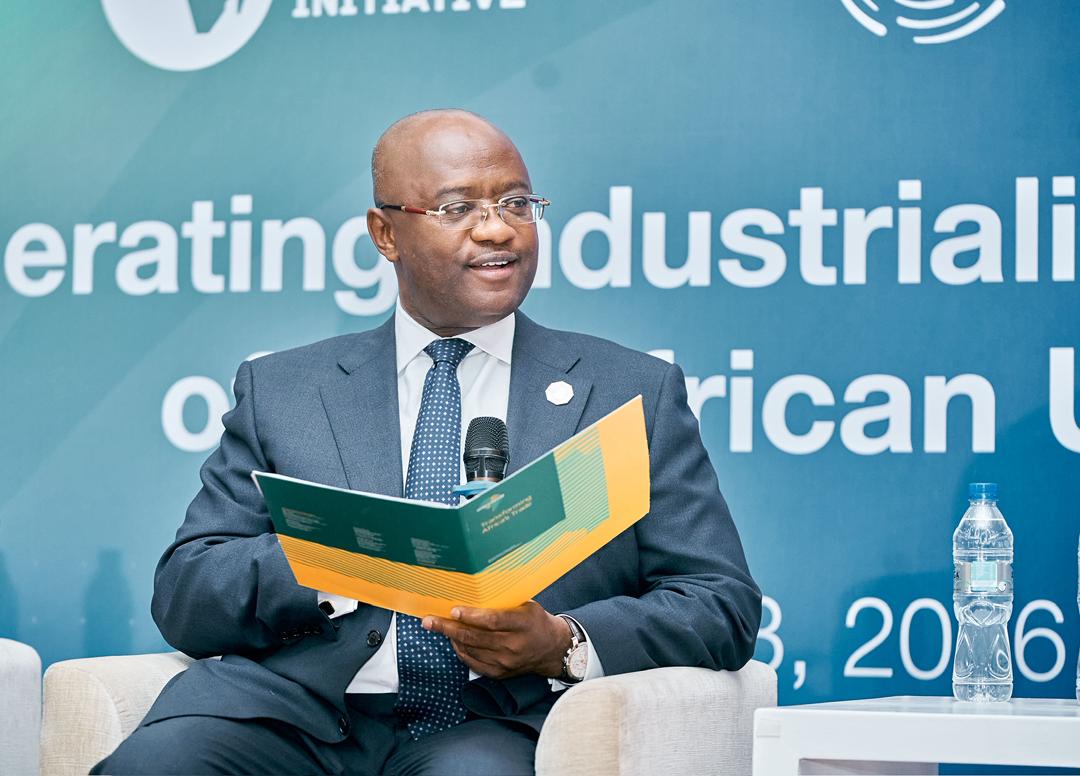
Denys Denya, Executive Vice President, emphasized that “despite geopolitical tensions and some rating-related disruptions, the Group shows a stronger balance sheet than ever, with liquidity and capitalization well above our targets. The 2025 results highlight the resilience of our subsidiaries, including FEDA and AfrexInsure, and the successful implementation of our 6th Strategic Plan.”
These results underline Afreximbank’s central role in financing intra-African trade, supporting industrial projects, and strengthening regional economic integration. The Bank enters 2026 with strong momentum, aiming to consolidate its achievements and expand its impact across the African continent.

 Esther Grâce
 La voix des entreprises