

AIRPORT BUSINESS : Cameroon Customs and Lagardère Travel Retail Join Forces to Secure Duty-Free Sales


(LVDE) — On March 6, 2026, in Yaoundé, the Cameroonian General Directorate of Customs and Lagardère Travel Retail Cameroon signed a memorandum of understanding aimed at structuring and securing duty-free retail operations at the country’s international airports. Set for a three-year term with renewal options, the partnership seeks to strengthen goods traceability, enhance transaction transparency, and boost the attractiveness of Cameroon’s airport platforms for both travelers and investors.
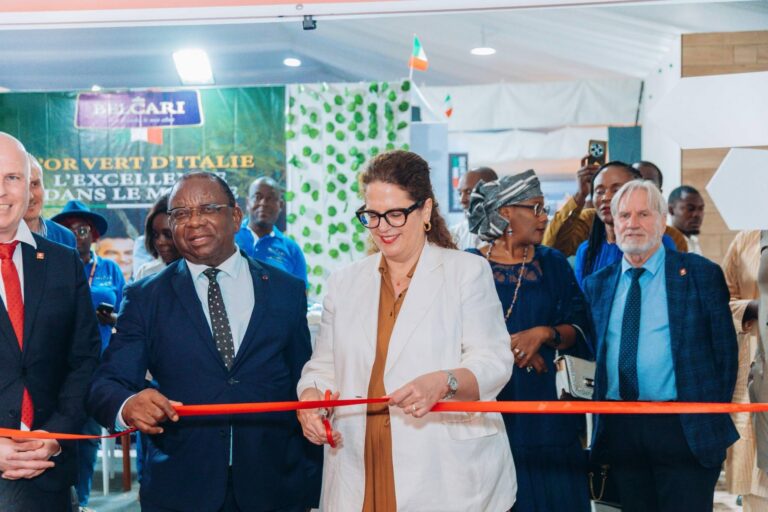
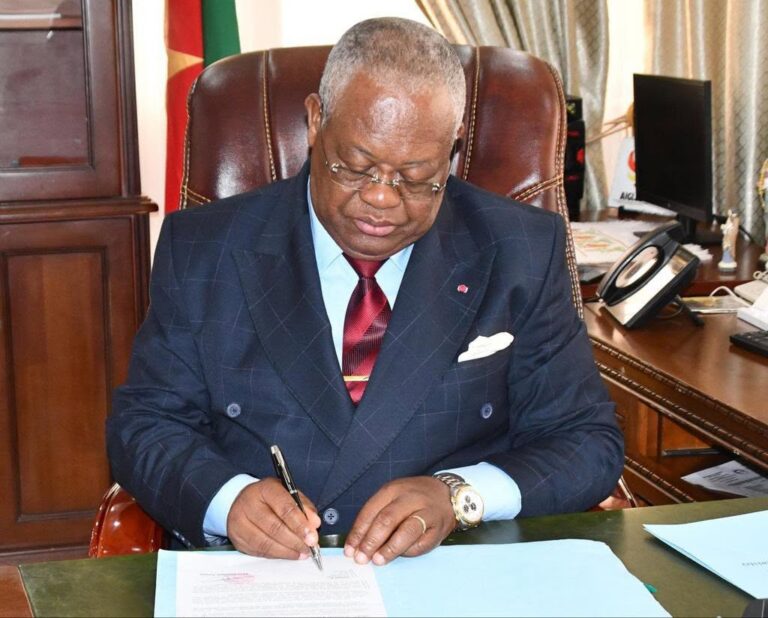
In the conference hall of the General Directorate of Customs in Yaoundé, the signing ceremony marked a new milestone in organizing duty-free trade at the nation’s airports. The agreement was signed by Fongod Edwin Nuvaga, Director General of Customs, and Carmen Djom, Director of Lagardère Travel Retail Cameroon, formalizing a cooperation framework to oversee duty-free sales operations at international airports, including Douala and Yaoundé-Nsimalen.
The three-year agreement, with the possibility of renewal, outlines the respective responsibilities of the commercial operator and the customs administration. Lagardère Travel Retail Cameroon is tasked with ensuring regular customs clearance of merchandise destined for duty-free stores, maintaining a computerized accounting system detailing warehouse and store inventory movements, and providing this information to customs services at any time. The company must also strictly comply with the Customs Revenue Security Program (PSRD), foreign exchange regulations, and rules governing duty-free allowances granted to travelers.
In return, the Customs Administration commits to facilitating procedures related to duty-free store operations and supporting the operator’s activities. The agreement authorizes the transfer of goods between points of entry, physical warehouses, and airport retail spaces. Stores located in arrival and departure zones may sell duty-free or all-taxes-included products depending on traveler status and applicable customs regulations.
The framework also establishes strengthened oversight measures. Customs officers may conduct unannounced inspections of warehouses and retail outlets to verify compliance with merchandise regulations and tax rules. In cases of serious infractions, precautionary measures—including temporary store closure—can be enforced pending resolution of the dispute.
Beyond regulating commercial activities, the agreement aims to enhance the competitiveness of Cameroon’s airport infrastructure. Duty-free stores serve as a key driver for airport value creation, offering travelers a mix of international and local products. The protocol specifically encourages the promotion of Cameroonian-made goods within these retail spaces.
According to the International Civil Aviation Organization (ICAO) and the Cameroonian Civil Aviation Authority, passenger traffic at the country’s airports exceeds one million annually, with gradual growth since the resumption of air travel post-pandemic. In this context, the development of a structured duty-free trade system appears as a lever to energize airport-area economies and increase indirect revenue from tourism and international trade.
For the Customs Administration, this partnership also forms part of a modernization strategy designed to secure tax revenues while facilitating business operations. Implementing information exchange mechanisms and progressively interconnecting IT systems are expected to improve goods traceability and reduce processing times.
With this agreement, Cameroonian Customs and Lagardère Travel Retail aim to establish a more transparent commercial environment while enhancing the image and appeal of the country’s international airports.
Anatole Bidias

 Esther Grâce
 La voix des entreprises