OIL IMPORTS : Traders Mocoh, Vitol and Cleveland Overseas Secure Cameroon’s Supply for Q2

(LVDE) – On March 13, 2026, in Yaoundé, Cameroon selected international traders Mocoh, Vitol and Cleveland Overseas LTD to ensure the country’s supply of petroleum products from April to June 2026. Coordinated by the Hydrocarbons Price Stabilization Fund (CSPH), this decision comes amid heightened volatility in global energy markets.
 Esther Grâce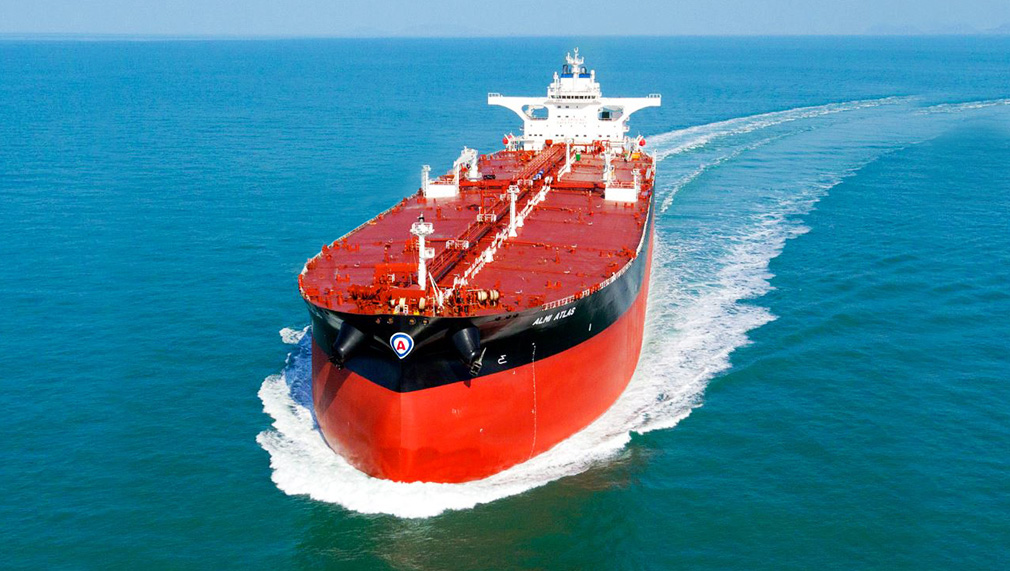
In an international environment marked by strong tensions in energy markets, Cameroonian authorities have opted to revert to an import system based on international trading companies. Following a strategic meeting held on March 13, 2026, the CSPH validated the selection of three operators tasked with securing the country’s fuel supply for the second quarter.
To meet national demand for gasoline, Mocoh and Vitol were selected to deliver a combined volume of 200,000 metric tons between April and June. As for diesel, Cleveland Overseas LTD was awarded the contract for an estimated 220,000 metric tons over the same period. This allocation is intended to ensure optimal coverage of energy needs, at a time when supply stability has become a strategic concern.
This decision comes as refined product prices continue to surge on international markets. According to data from the Energy Information Administration (EIA), regular gasoline prices rose by nearly 73% between late February and early April 2026, increasing from around $703 to over $1,200 per ton. Ultra-low sulfur diesel followed a similar trend, with an increase exceeding 80%, reaching approximately $1,378 per ton. Aviation kerosene also recorded a significant rise over the same period.
These price levels, based on spot FOB quotations from the U.S. Gulf Coast, do not include additional costs related to freight, insurance and logistics to Cameroon. Once these factors are accounted for, the actual import bill could be significantly higher, increasing pressure on public finances and on the downstream petroleum sector.
In this context, relying on international traders appears to be a pragmatic response to mitigate the risk of supply shortages. This strategy also allows the government to maintain a degree of flexibility in managing import flows, while adapting to rapid price fluctuations on global markets.
Beyond short-term constraints, this decision highlights the structural challenges facing Cameroon, which remains heavily dependent on refined product imports. With national consumption estimated at several hundred thousand tons per quarter, securing supply remains a priority to support economic activity and prevent disruptions in the domestic market.
Amid geopolitical shifts and heightened price volatility, the authorities’ choices reflect a determination to strengthen the resilience of the country’s energy supply system. The key question remains whether this strategy will sustainably cushion the impact of rising prices on consumers and public finances.
À propos de l'auteur





 Tressy CHOUENTE
 Raphael Mforlem