

FOOD SAFETY: Nestlé Cameroon reassures in response to health ministry concerns over the compliance of Nido Choco powdered milk

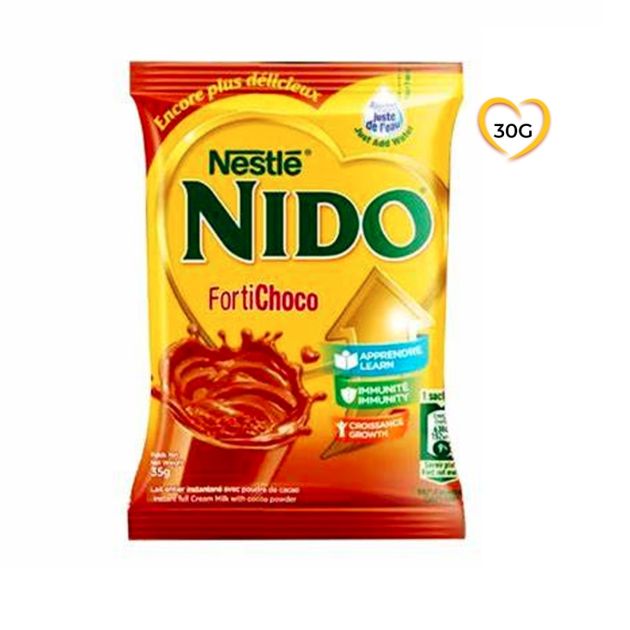
(LVDE) – In a context of heightened vigilance over food safety, Nestlé Cameroon has defended itself against the decision of the Minister of Public Health, who ordered the precautionary withdrawal of its product “Nido Choco” for non-compliance reasons. The company expressed both surprise and its commitment to ensuring product quality.
On September 30, 2025, a shockwave rippled through Cameroon’s agri-food sector following a statement from the Minister of Public Health, Manaouda Malachie, ordering the preventive withdrawal of “Nido Choco” powdered milk from retail outlets. The minister justified the decision on the basis of a non-compliance report submitted by a third party, without disclosing the source or the specific irregularities identified. This announcement quickly sparked reactions, particularly from Nestlé Cameroon, the local subsidiary of the Swiss multinational.
The company, headquartered in Douala, expressed its “surprise” at this order, noting that it had not been contacted beforehand to discuss the concerns raised. In a statement, Nestlé Cameroon described the situation as “damaging” to its brand and requested a meeting with the minister to clarify the circumstances surrounding the decision. The company stressed that it takes food safety concerns very seriously.
Nestlé Cameroon also sought to reassure its consumers and partners, affirming that “Nido Choco” is manufactured in compliance with prevailing quality and safety standards. “We treat all consumer feedback and concerns with seriousness and transparency,” a company spokesperson stated. This assurance comes at a time when consumer trust is critical, especially in a sector where food safety is a top priority.
Food security challenges in Cameroon remain significant. Recent statistics indicate that around 25% of the population suffers from food insecurity, making close monitoring by health authorities more necessary than ever. In this light, the ministry’s swift response underscores its commitment to protecting public health, but it also raises questions about communication between businesses and regulatory bodies.
Meanwhile, food safety experts emphasize the importance of a balanced approach in which regulatory concerns do not undermine companies’ reputations without tangible evidence. They call for greater transparency in the product compliance assessment process to prevent similar situations in the future.
Nestlé Cameroon has declared itself ready to cooperate fully with the competent authorities to resolve the matter. The company reaffirmed its commitment to providing consumers with relevant information throughout the course of this issue. In a market where brand image is vital, handling crises like this requires effective and proactive communication.
This situation highlights the critical importance of trust between consumers, companies, and health authorities. As the agri-food sector continues to evolve, it is essential for all stakeholders to work together to ensure the safety and quality of products available on the market. While defending its product, Nestlé Cameroon finds itself at a crossroads where transparency and collaboration will be key to restoring the confidence of both consumers and regulators.
Esther Grace


 Anatole Bidias
 Amélie Yandal
 La voix des entreprises