

GABON : Afreximbank mandated to mobilize 1,700 billion CFA Francs

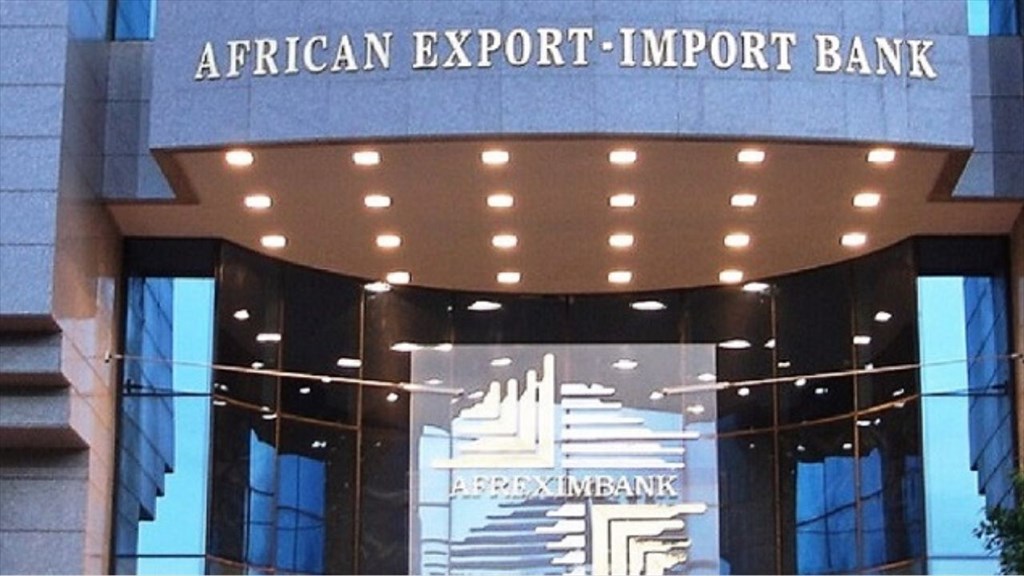
(LVDE) – Gabon has formalized a strategic partnership with Afreximbank to mobilize 1,700 billion CFA francs (approximately USD 3 billion). The agreement, signed on September 17, 2025, aims to support priority investments and transform the Gabonese economy.

On September 17, 2025, Gabon’s Minister of Economy and Finance, Henri-Claude Oyima, signed a landmark agreement with Afreximbank to mobilize an impressive sum of 1,700 billion CFA francs, or about USD 3 billion. This partnership marks a significant step in the government’s strategy to strengthen economic development through targeted investments.
The African Export-Import Bank’s commitment was formalized during a ceremony following a meeting between Gabonese President Brice Clotaire Oligui Nguema and Afreximbank President Georges Elombi. Discussions focused on the progress of various established partnerships, whose total value already exceeds 1,700 billion CFA francs. These collaborations cover critical sectors such as manganese processing, modernization of railway infrastructure, and strengthening of the country’s energy capacity.
The agreement with Afreximbank represents much more than a mere injection of capital. It reflects a strong intent to achieve structural transformation of the Gabonese economy, which seeks to maximize the added value of its natural resources. Manganese, for example, is a cornerstone of Gabonese exports, yet its local processing potential remains largely untapped. By investing in projects that foster industrial transformation, Gabon could generate jobs, drive innovation, and enhance its competitiveness on the global stage.
The stakes of this capital mobilization are particularly high at a time when many African nations aspire to process their natural resources locally rather than exporting them raw. Should Gabon succeed in implementing these projects within the given timelines, it could serve as a model for other countries across the continent. However, the success of this initiative will depend heavily on the government’s ability to manage these investments effectively and ensure transparency in their utilization.
The priorities identified under this agreement focus on key infrastructure projects that could reshape Gabon’s economic landscape. The modernization of the railway network, for instance, is crucial to improving logistics and facilitating the transport of minerals to ports. Likewise, strengthening energy capacity is vital to supporting sustainable industrial development, ensuring that local businesses have the necessary power supply to operate efficiently.
Expectations around this agreement are high. Experts agree that successful implementation of these projects could also attract further foreign investment, thereby creating a virtuous cycle for economic growth. Moreover, it would reinforce international partners’ confidence in Gabon’s ability to transform its economy.
To recap, the agreement signed with Afreximbank represents a major milestone for Gabon. By mobilizing 1,700 billion CFA francs, the Gabonese state is equipping itself to fast-track strategic investments and reshape its economy. The coming months will be decisive in assessing the impact of this initiative and its potential to position Gabon as a regional leader in the industrial transformation of natural resources.
Esther Grace


 Sorelle NINGOUEM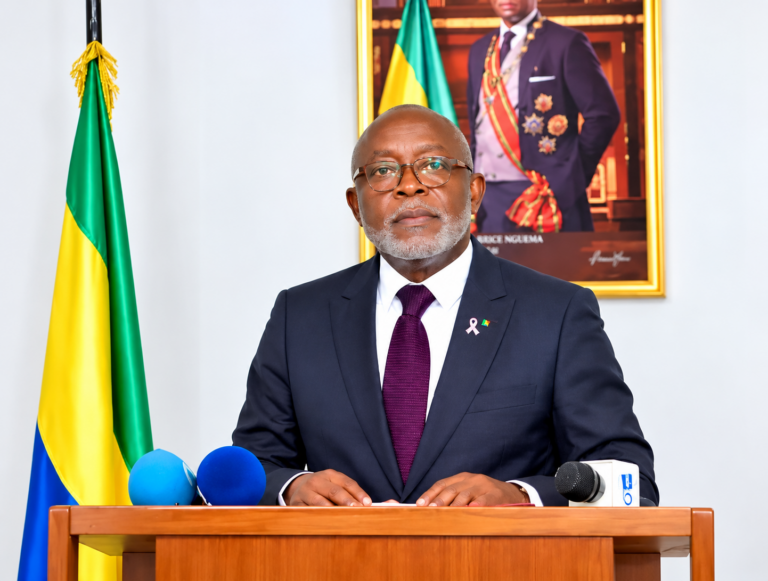


 Esther Grâce
 Tressy CHOUENTE