


CEMAC REGION : GIMAC and VISA Accelerate the Digital Payments Revolution

(LVDE) – On April 4, 2026, in Yaoundé, the Interbank Payment Network of Central Africa (GIMAC) and global payments giant VISA signed a memorandum of understanding aimed at strengthening and accelerating the adoption of digital payments across the six CEMAC countries. The initiative focuses on interoperability, e-commerce, and the digitalization of public payments to modernize the regional financial ecosystem and enhance the user experience.
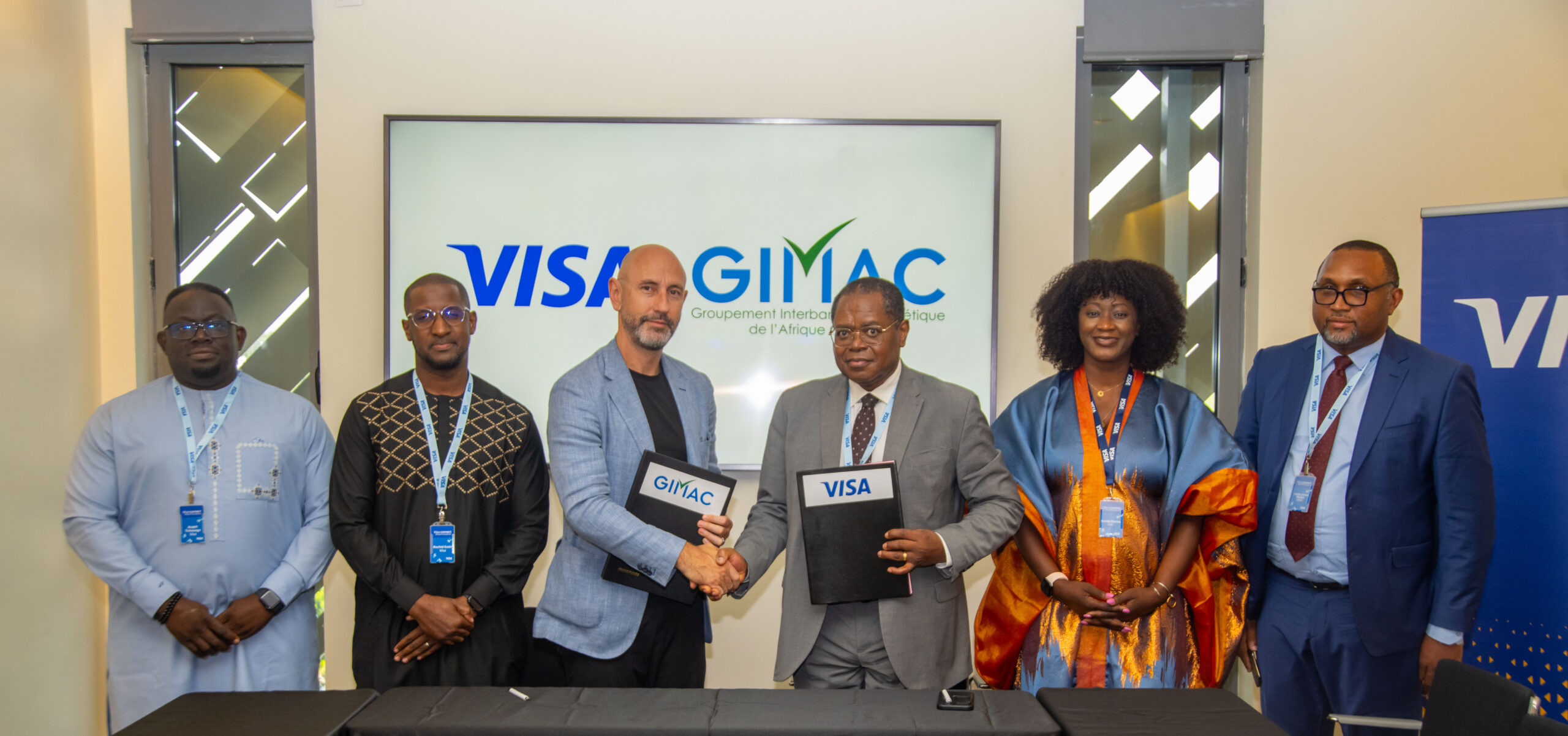
At GIMAC’s headquarters in Yaoundé, the signing marked a major milestone for the digital transformation of financial transactions in Central Africa. Officially announced on April 4, 2026, this strategic partnership seeks to expand the range of digital services and promote financial inclusion across the subregion. The two organizations aim to bring together banks, fintechs, mobile money operators, and public administrations under a seamless and secure interconnection framework.
Valentin Mbozo’o, GIMAC’s CEO, highlighted the significance of the partnership: “This alliance provides international gateways for card services while strengthening our local network and fostering the growth of e-commerce.” The agreement also includes the rollout of high-impact use cases, particularly for the digitalization of government payments—a priority for CEMAC states committed to reducing cash usage and modernizing public services.
For VISA, represented by regional manager Isnmahill Diaby, the partnership pursues a dual goal: supporting the modernization of payments and promoting secure, inclusive digital solutions. “We aim to enhance interoperability and accelerate the adoption of digital payments that are accessible to all, while strengthening security and trust in the financial system,” Diaby stated.
The numbers underscore the already significant potential of this regional infrastructure. Through its GiMACPAY network, GIMAC claims 40 million active e-wallets and over 2.7 million cards issued, consolidating its position as one of CEMAC’s leading payment networks. In 2022, the network processed nearly 10 million transactions totaling 395 billion FCFA, according to published data.
The agreement is expected to drive new flows related to e-commerce, service payments, and cross-border transactions. It also addresses the growing demand from citizens and businesses for fast, reliable, and traceable solutions, while facilitating public revenue collection and reducing costs associated with cash handling.
The GIMAC–VISA cooperation therefore represents a stepwise modernization of the regional financial system, where interoperability and digital adoption serve as key levers to strengthen the economy and support the digital transformation of public administrations and the private sector. The success of this initiative could provide a model for other African regions facing similar needs to transition to inclusive digital payments.


 La voix des entreprises
 Esther Grâce