

BUSINESS CLIMATE : Over 200 French Companies Boost Cameroon’s Economy Despite Payment Delays

(LVDE) – On March 26, 2026, in Yaoundé, Nicolas Forissier, French Minister Delegate for Foreign Trade and Attractiveness, met with Cameroon's Minister of Finance, Louis Paul Motaze, during the 14th WTO Ministerial Conference. The meeting aimed to strengthen bilateral economic cooperation and encourage the establishment of French companies in Cameroon by addressing obstacles related to delayed payments and the transparency of the business environment.
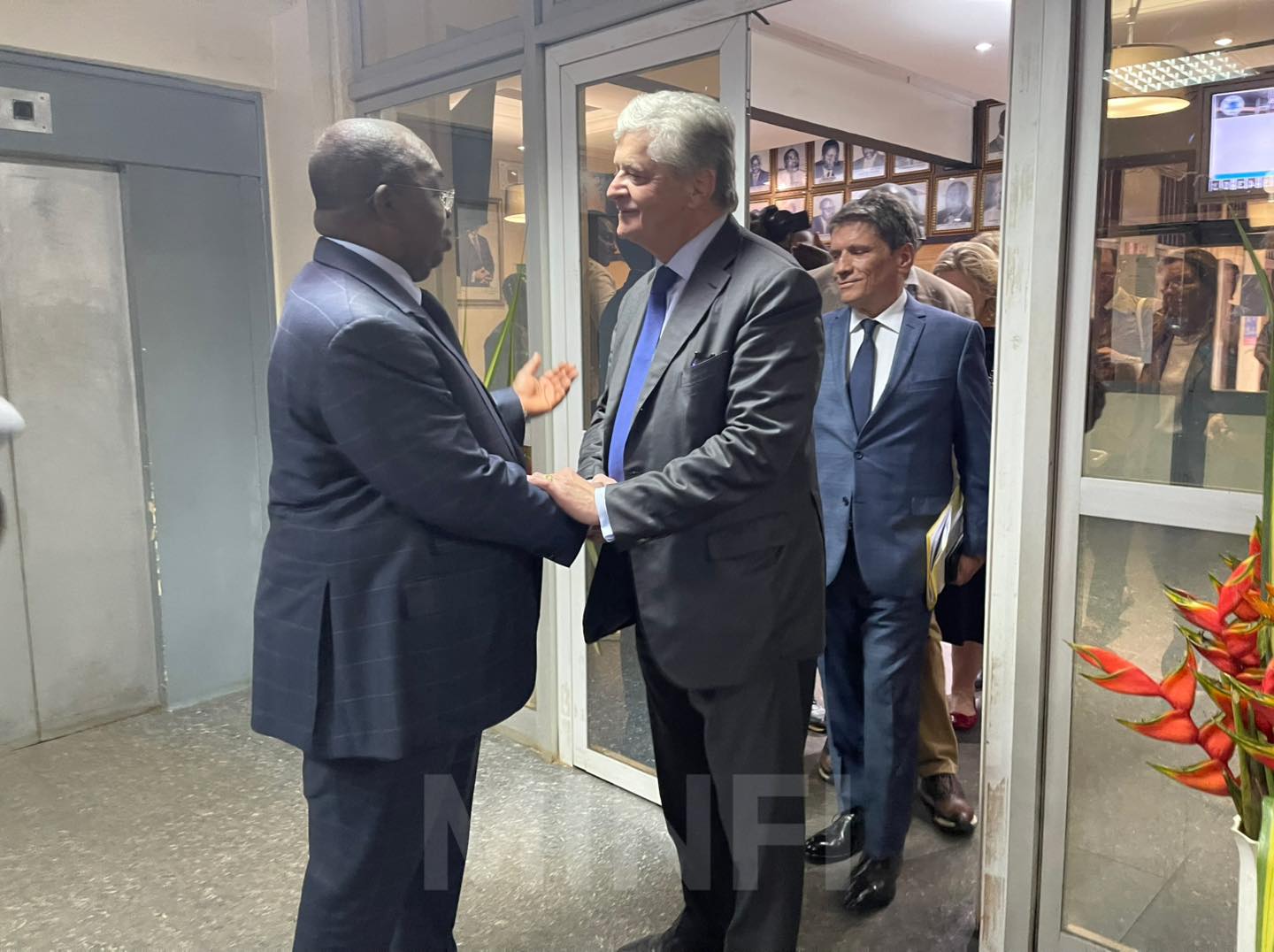
In the elegant halls of the Cameroonian capital, the discussion between the French and Cameroonian delegations highlighted a persistent challenge: late settlement of invoices owed to French companies working on behalf of the state. According to Nicolas Forissier, these delays undermine investor confidence and hinder the clarity of the economic landscape. “This is a critical issue that must be resolved to attract new companies and build sustainable partnerships,” he emphasized.
On the Cameroonian side, the problem is not new. In the public works sector, several tens of billions of CFA francs remain unpaid to French firms engaged in urban and interurban projects. These arrears fuel concerns among operators, at a time when the country faces significant investment needs in infrastructure, agribusiness, and services.
For Paris, the solution goes beyond simply clearing public debts. The French minister called for a more predictable and transparent business framework, supported by enhanced technical cooperation on accounting performance and administrative management to reduce payment delays. “France is ready to contribute its expertise to Cameroon to improve the business environment and facilitate the establishment of new companies,” added Nicolas Forissier.
He also pointed to other vulnerabilities in Cameroon’s investment climate, noting the need for clearer fiscal and regulatory rules and better legal security. These reforms are considered essential to creating an environment conducive to long-term investment.
The numbers underline France’s strategic role for Cameroon. According to the French government, bilateral trade reached nearly CFA 1,000 billion in 2023, or around €1.5 billion, down 9% from 2022 but up 57% since 2015. French exports to Cameroon totaled CFA 376 billion (-11%), while Cameroonian imports reached CFA 602 billion (-9%). The trade balance remains favorable to Cameroon.
France ranks as Cameroon’s sixth-largest trading partner and has over 200 companies established in the country, generating more than 20,000 jobs. In this context, regularizing public receivables and securing administrative processes are seen as key levers to reinforce confidence and stimulate new investments.
For Yaoundé, the challenge is clear: transform bilateral cooperation into concrete projects, support economic growth, and promote sustainable strategic partnerships, while improving the transparency and predictability of the business environment to attract new economic players.

 La voix des entreprises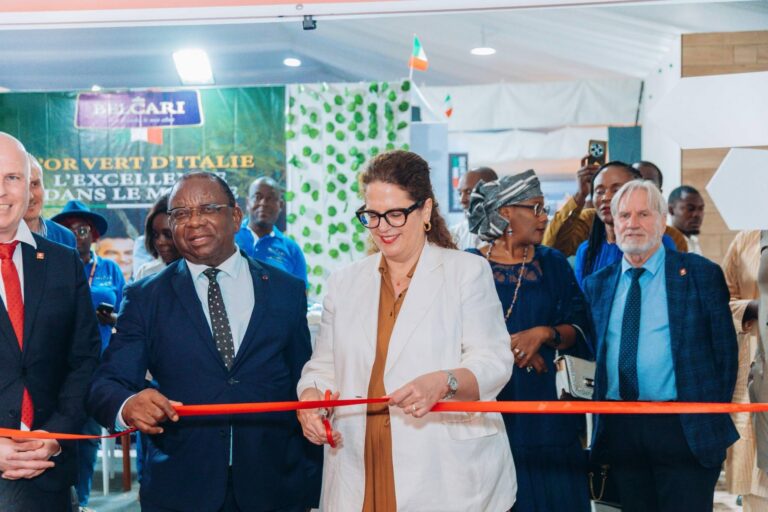
 Esther Grâce