MOBILE PHONE TAX : Operators Required to Identify Each Device Upon Entry into Cameroon

(LVDE) – Since April 1, 2026, the Customs administration has made it mandatory to systematically identify mobile phones through their IMEI numbers before they are placed on the market. This measure is part of a major reform of the sector’s tax framework, aimed at strengthening device traceability, combating fraud, and optimizing revenue mobilization in a rapidly expanding market.
 Esther Grâce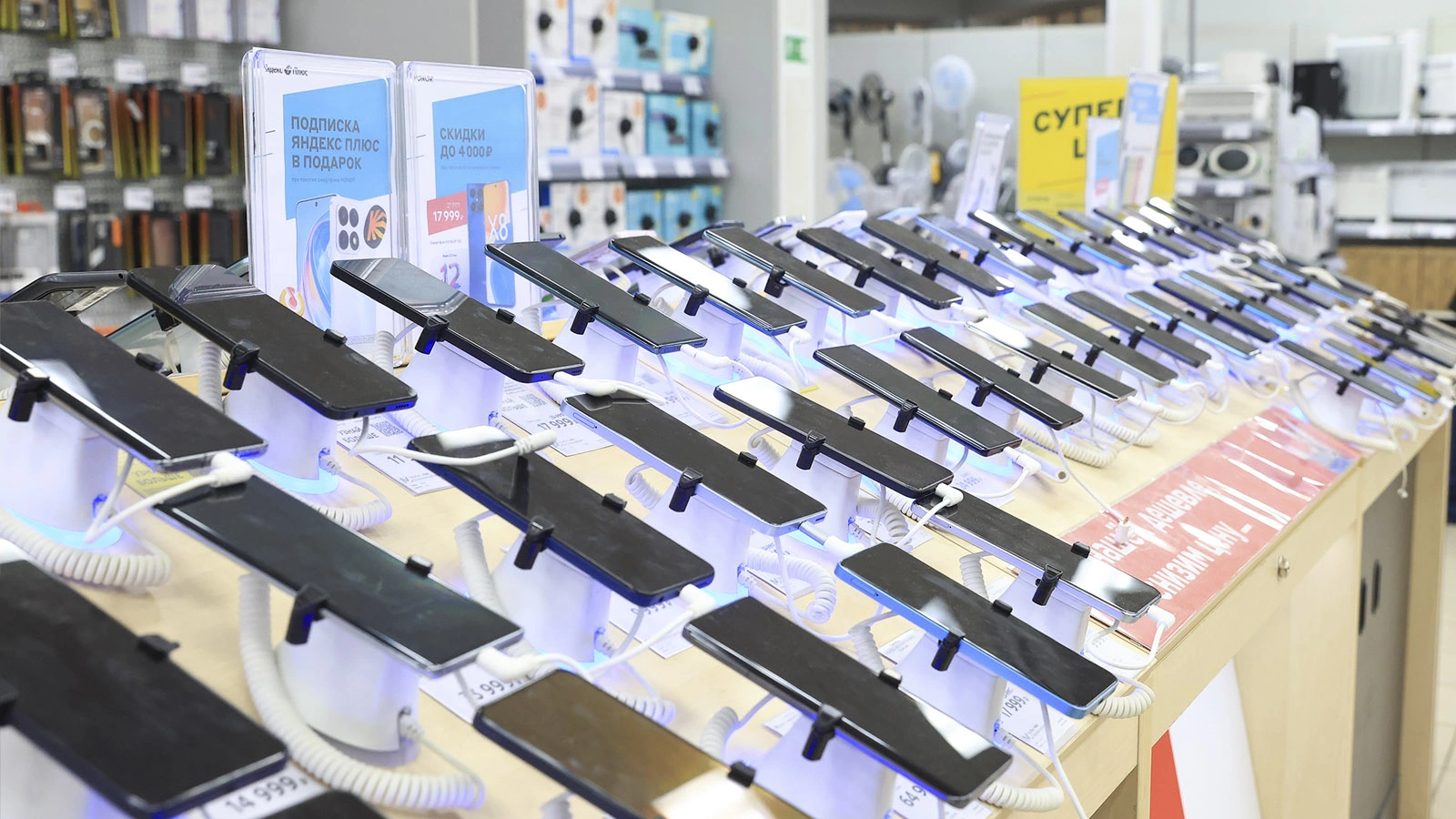
Speaking to the press on March 31, 2026, in Yaoundé, the Director General of Customs, Fongod Edwin Nuvaga, unveiled a new mechanism designed to regulate the importation and taxation of mobile phones and connected devices. The reform comes amid declining customs revenues, driven by rising informal imports, under-declaration of goods, and weaknesses in border control systems.
The new system relies on a fully digitalized process. Economic operators are now required to submit the IMEI numbers of devices as soon as they arrive in the country, through the electronic manifest. This information is automatically integrated into the customs system, which identifies key characteristics such as brand and model, and generates a declaration used to calculate duties and taxes. Once payments are completed, the data is transmitted to telecom operators, thereby conditioning network access for the devices. Any undeclared device may be blocked.
The reform also introduces a new tax grid, with an overall rate of around 33.33%, applied on adjusted bases depending on product categories. This approach aims to ease the actual tax burden while broadening the tax base. For instance, a high-end smartphone valued at approximately CFAF 1.5 million will be taxed on a reduced base, generating duties ranging between CFAF 150,000 and 160,000. A mid-range device worth around CFAF 80,000 will incur a tax of about CFAF 8,000, while basic phones will remain lightly taxed at around CFAF 1,500.
To ensure balance, authorities have introduced an amnesty measure for devices already in circulation. All phones that have been connected at least once to national networks are exempt from regularization. However, imported devices that have not yet been used must be declared before activation. Travelers benefit from a specific regime, allowing temporary use for up to one month before compliance becomes mandatory.
Beyond revenue mobilization, the reform pursues broader structural objectives. It seeks to improve equipment traceability, combat counterfeit or cloned phones, and enhance the quality of telecommunications services. It also enables consumers to verify the customs compliance of devices before purchase, thereby strengthening market protection.
According to official estimates, Cameroon’s mobile phone market accounts for several million units annually, with strong growth driven by the digitalization of usage. In this context, modernizing the tax framework appears as a strategic lever to secure trade flows and ensure fair competition among stakeholders.
By introducing this system based on identification and transparency, Cameroon Customs aims to lay the foundations for a more efficient framework aligned with market realities. The key question remains whether all stakeholders will embrace this new tool and turn it into a genuine driver of regulation and growth.
À propos de l'auteur






 Tressy CHOUENTE
 La voix des entreprises
 Raphael Mforlem