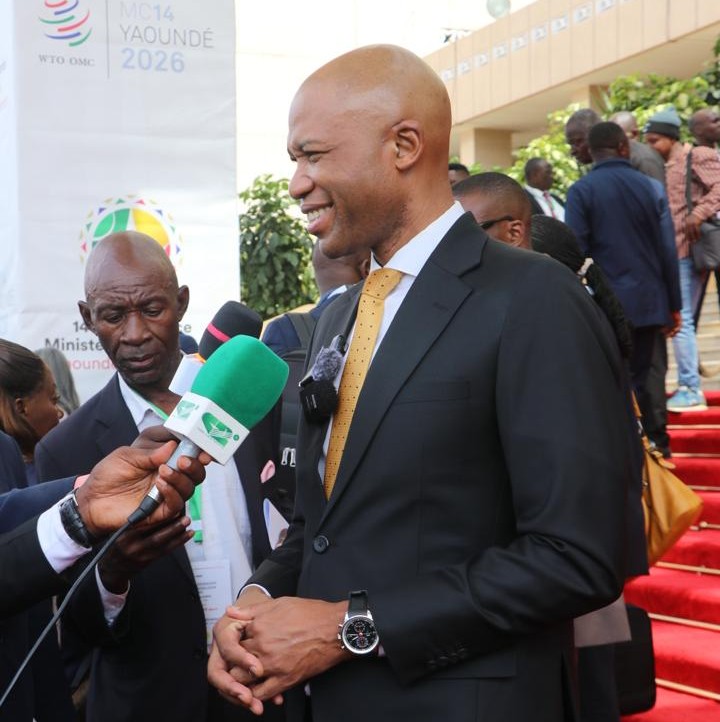
INVESTMENT AND ECONOMIC DIPLOMACY : AmCham Relaunches Offensive to Attract U.S. Investors

(LVDE) – On March 26, 2026, in Yaoundé, the American Chamber of Commerce in Cameroon (AmCham) hosted a business luncheon aimed at enticing U.S. investors. Despite Cameroon’s exclusion from the African Growth and Opportunity Act (AGOA), the institution positions itself as an interface between local businesses and government authorities, seeking to turn interest in the Cameroonian market into tangible and sustainable investments.
 Raphael Mforlem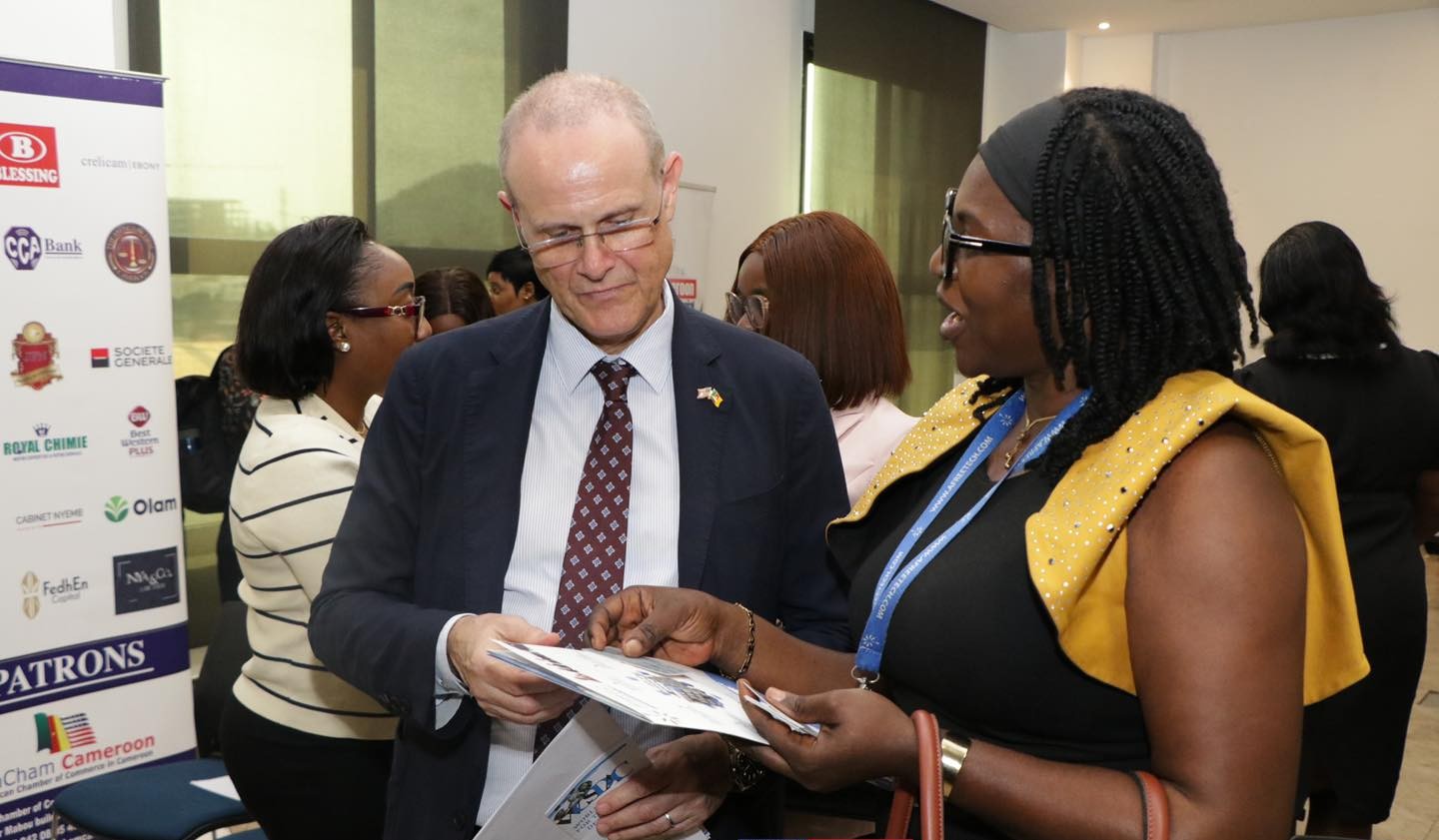
In the elegant halls of the capital, the AmCham luncheon took on the character of an economic advocacy session for Cameroon. Held on the sidelines of the 14th Ministerial Conference of the World Trade Organization, the meeting brought together diplomats, business operators, and government representatives around a shared goal: reposition Cameroon as a credible and attractive destination for U.S. investors.
The context remains delicate, however. Since its suspension from AGOA, Cameroon no longer enjoys preferential access to the U.S. market—a leverage that has supported several billion dollars of African exports to the United States in recent years, according to the Office of the United States Trade Representative (USTR). Countries like Kenya and Ghana continue to benefit from this, increasing competition for capital flows.
To overcome this obstacle, AmCham leverages its network to connect Cameroonian companies with U.S. investors. The objective is to move the bilateral relationship beyond simple trade toward industrial partnerships and projects that generate local value added.
The country’s potential is evident in the numbers: the World Bank estimates Cameroon’s growth at around 3.5% in 2025, driven by promising sectors such as infrastructure, mining, agribusiness, and services. Yet, this attractiveness is challenged by structural constraints: administrative complexity, delays in contract execution, and regulatory uncertainties.
On the U.S. side, interest exists but remains cautious. John G. Robinson, Chargé d’Affaires ad interim at the U.S. Embassy in Yaoundé, emphasized the lack of clarity surrounding local economic opportunities. For many companies, the main challenge is not just risk assessment but understanding procedures, accessing reliable information, and identifying trustworthy local partners.
In response, AmCham positions itself as an operational interface, facilitating dialogue between its members and fiscal and customs authorities while advocating for greater transparency and legal security. According to its president, Laure Djoukam, the priority is to build a conducive environment for business creation, industrialization, and local employment.
Outside AGOA, Cameroon’s strategy now relies on proactive economic diplomacy. The goal is clear: transform U.S. interest into concrete investments that can support growth and strengthen Cameroon’s position as a key regional player.
À propos de l'auteur




 Tressy CHOUENTE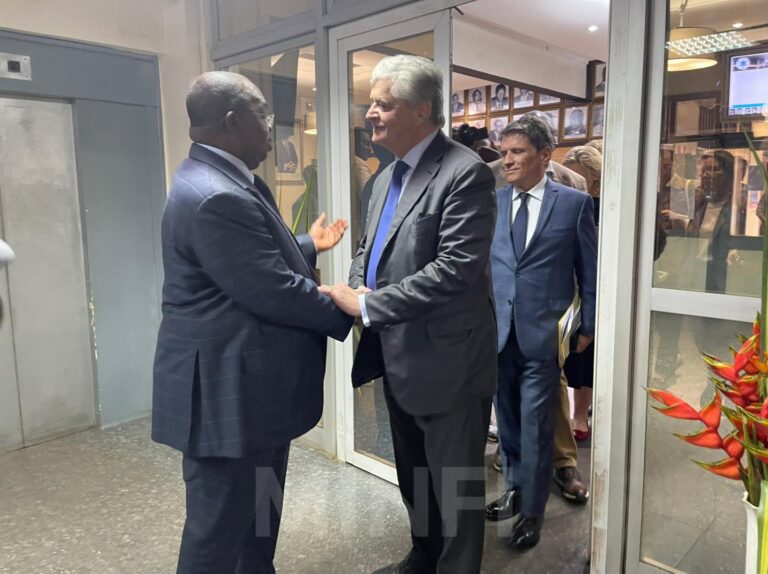
 La voix des entreprises
 Esther Grâce