14TH WTO MINISTERIAL CONFERENCE : MTN Cameroon at the Heart of Digital Trade and Inclusion Challenges

(LVDE) – Gathered in Yaoundé from March 25 to 29, 2026, for the 14th Ministerial Conference of the World Trade Organization (WTO), public decision-makers and private sector stakeholders placed digital transformation at the center of discussions. MTN Cameroon distinguished itself by advocating for a more inclusive digital trade model, driven by connectivity, innovation, and the integration of African economies.
 Raphael Mforlem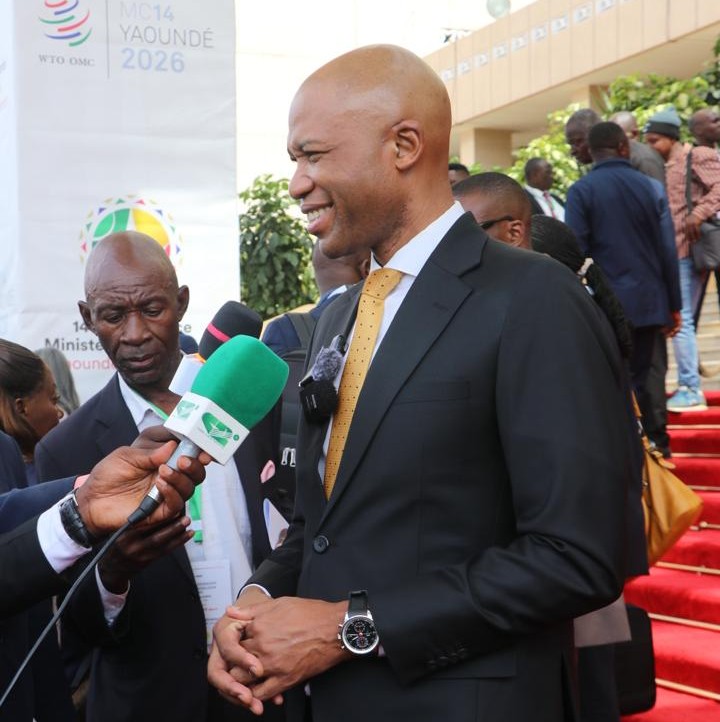
Wanda Matandela, Directeur général de MTN Cameroon.
Amid rapidly evolving global trade dynamics, marked by the digitalization of services and the expansion of e-commerce, the WTO’s 14th Ministerial Conference (MC14) provided a strategic platform for digital players. In Yaoundé, MTN Cameroon seized this opportunity to reaffirm its role in Africa’s digital transformation and in shaping an enabling environment for the growth of digital trade.
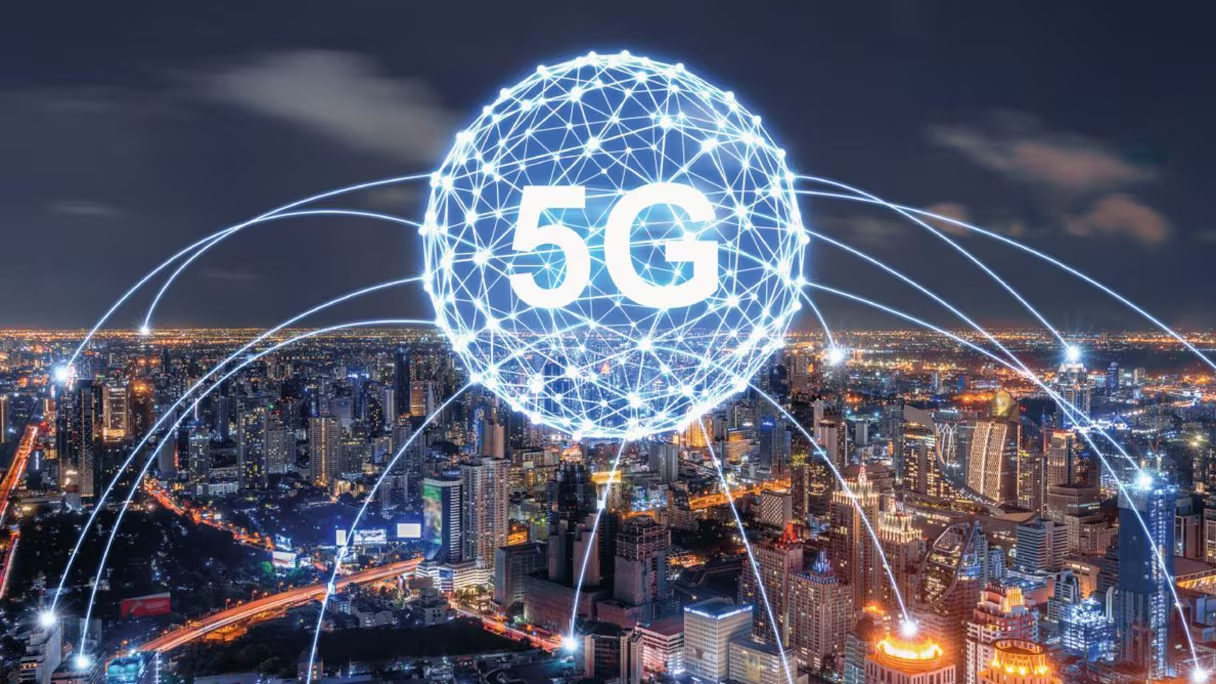
From the opening session, MTN Cameroon’s CEO, Wanda Matandela, emphasized the importance of reliable connectivity in supporting modern trade flows. According to him, telecom infrastructure has become a cornerstone of global exchanges, not only facilitating transactions but also enabling the emergence of new business models. In a context where digital services account for an increasing share of global trade—estimated at over 25% of services trade according to the WTO—the role of telecom operators is becoming increasingly critical.
At the core of the discussions, the regulation of digital trade emerged as a key issue. Speaking at the Business Forum, Lindiwe Vundla, Head of Regulatory Affairs at MTN Group, called for the harmonization of legal frameworks across African countries. She notably stressed the need to facilitate cross-border data flows and to maintain the moratorium on customs duties applied to electronic transmissions, seen as a growth driver for digital economies.
At the same time, financial inclusion challenges were widely addressed. The CEO of Mobile Money Corporation Cameroon, Alain Claude Nono, highlighted the impact of mobile money on the expansion of e-commerce, particularly in rural areas. In Cameroon, as in many African countries, mobile financial services are helping to reduce inequalities in access to transactions, with millions of active users and steadily growing transaction volumes, according to GSMA data.
Through its active participation, MTN Cameroon reaffirmed its position as a key player in the digital ecosystem. The company is no longer limited to its role as a telecom operator but is increasingly positioning itself as a strategic partner in shaping public policies related to the digital economy. This momentum aligns with a broader ambition: promoting an integrated African digital economy capable of leveraging the opportunities offered by the African Continental Free Trade Area.
As international discussions continue on the governance of digital trade, the presence of players like MTN Cameroon at MC14 reflects the determination of the African private sector to influence global decision-making. In a world where competitiveness is increasingly driven by innovation and connectivity, the choices made today could shape the continent’s position in tomorrow’s trade landscape.
À propos de l'auteur



 Tressy CHOUENTE
 La voix des entreprises
 Esther Grâce