KRIBI PORT : Towards a 521 Billion FCFA Integrated Industrial Zone Covering 4,000 Hectares
 La voix des entreprises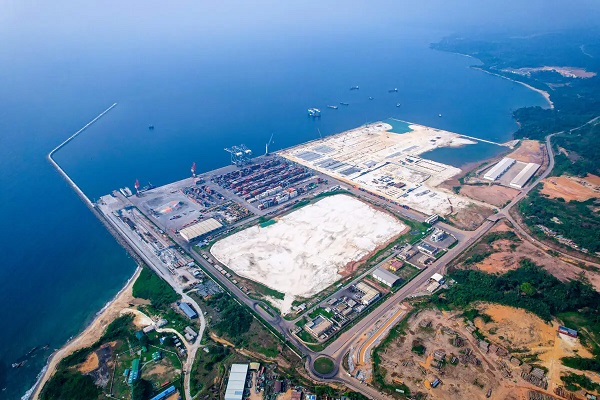
Plateforme portuaire de Kribi
(LVDE) — Industrial development around the Port Autonome de Kribi is reaching a new strategic milestone with the upcoming launch of the Kribi Port Industrial Zone. This large-scale project, resulting from public-private cooperation, aims to transform the port platform into a major driver of industrialization and value creation for both the national and sub-regional economy.
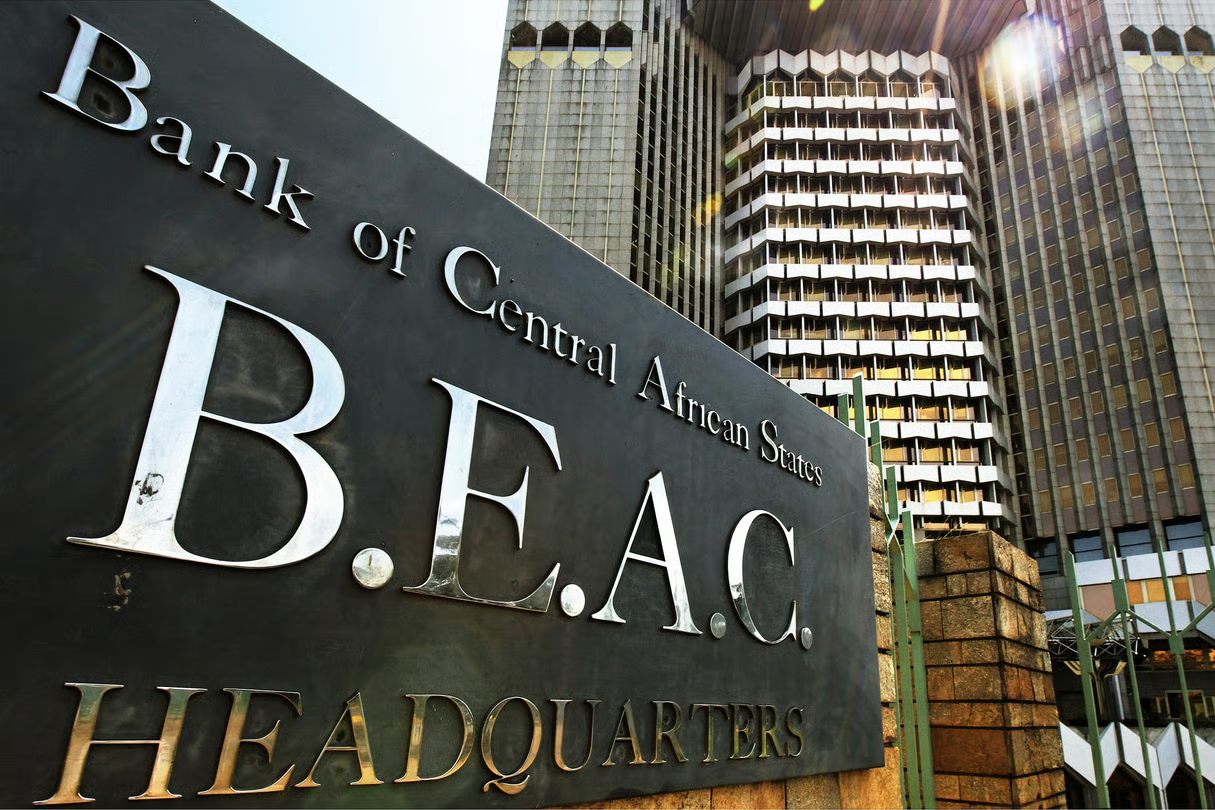
On February 26, 2026, in Yaoundé, the Port Autonome de Kribi will officially present the Kribi Port Industrial Zone (KPIZ), a development company designed to structure a vast economic area around the deep-water port. This initiative reflects the authorities’ ambition to transform the port complex into an industrial production center rather than merely an export platform for raw materials.
Since its commissioning in 2018, the port of Kribi has gradually established itself as a major logistics hub in Central Africa, facilitating cargo transit for landlocked countries such as Chad and the Central African Republic. However, most cargo handled still consists of raw material exports. The new industrial zone therefore seeks to encourage local processing of natural resources in order to enhance national economic competitiveness.
The project, estimated at 795 million euros, equivalent to about 521 billion FCFA, is based on a partnership between PAK and several international and local operators. The consortium brings together Africa Global Logistics (a subsidiary of the MSC shipping group), Arise Integrated Industrial Platforms, and Belmont Investments, a company linked to Cameroonian businessman Colin Mukete, who is also a shareholder in Kribi Container Terminal. Authorities aim to create an industrial hub aligned with Cameroon’s National Development Strategy 2030.
According to institutional sources, KPIZ will cover several priority sectors, including agro-industry, textiles, metallurgy, wood processing, construction industries, fisheries products, and consumer goods. The objective is to strengthen local value chains and promote technological innovation.
Financing for the first phase, valued at 400 million euros, is expected to come mainly from international partners, including the African Development Bank, the European Union through its Global Gateway program, and the International Finance Corporation, the private sector arm of the World Bank Group. However, the project has experienced several schedule adjustments, particularly following the withdrawal of Morocco’s Tanger Med Special Agency, which was initially part of the consortium.
The industrial zone will cover 4,000 hectares and will be developed gradually using a cluster-based approach. This model will group industrial activities by sector to encourage business synergies and optimize production chains. Between 2018 and 2025, nearly 400 billion FCFA in private investments have already been injected into the zone, mainly in cocoa, cement, milling, and port logistics sectors.
Tressy Chouente
À propos de l'auteur



 Tressy CHOUENTE
 Raphael Mforlem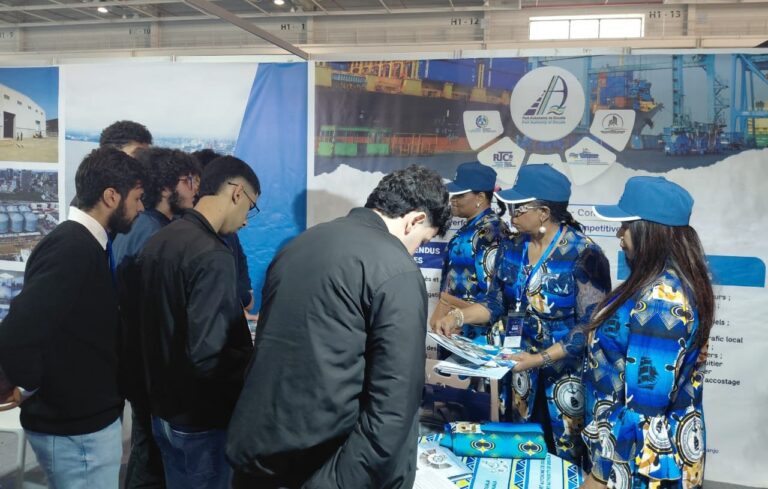
 Esther Grâce