ELECTRICITY THEFT : Businesses and Households Targeted by the Minister of Water and Energy
 La voix des entreprises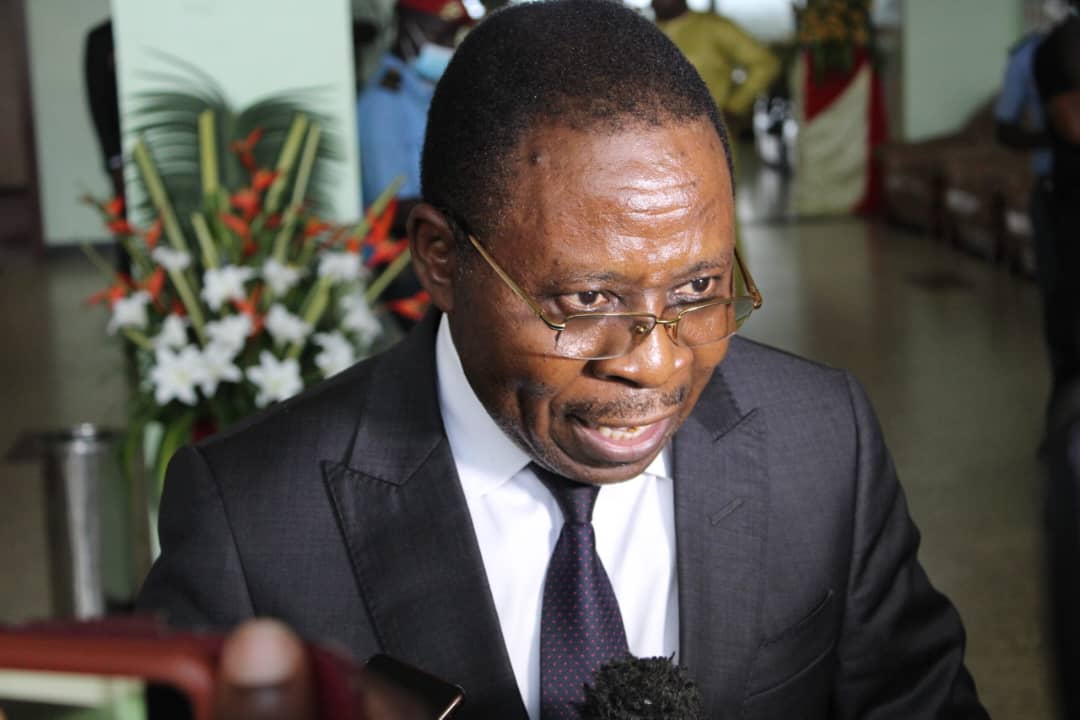
Gaston Eloundou Essomba, Minister of Water and Energy
(LVDE) — On February 5, 2026, the Minister of Water and Energy, Gaston Eloundou Essomba, announced the launch, starting March 15, 2026, of a large-scale “coup de poing” operation against electricity fraud. This initiative, which will cover the entire Cameroonian territory, targets both businesses and households and aims to secure resources while improving the quality of public electricity services.
Cameroon is preparing for a new crackdown on electricity fraud. In a statement released on February 5, 2026, Minister Gaston Eloundou Essomba indicated that intensive, coordinated operations with the utility provider ENEO will be carried out nationwide from March 15, 2026. According to the ministry, these interventions will address all consumers, whether private households or companies, with the goal of enforcing the law and safeguarding electricity infrastructure.
Electricity fraud represents a major challenge for Cameroon. Each year, the state suffers commercial losses estimated at more than 60 billion CFA francs—funds that could otherwise strengthen investments and improve the reliability of public electricity services. Authorities also highlight that fraud is often the cause of serious accidents, including electrocutions and domestic or industrial fires, endangering lives and threatening infrastructure safety.
This operation takes place in the post-renationalization context of ENEO, where the state seeks to regain effective control over the distribution chain and reduce losses. Minister Eloundou Essomba emphasized that the operation will be both preventive and punitive : it will combine field inspections, facility audits, and sanctions for offenders. The entire territory will be covered, from major cities to rural areas, leaving no gaps and ensuring fairness in the fight against fraud.
The minister also called on citizens to act responsibly. All users identified as clandestine consumers are urged to regularize their meters and comply with applicable standards, under penalty of sanctions. The message is clear : securing the electricity network and protecting public investments is everyone’s responsibility, and citizen cooperation is essential for a reliable and sustainable service.
This operation marks an important step in the national strategy against energy fraud, with expected impacts on both reducing financial losses and improving the safety of electricity installations. Observers and industry experts agree that rigorous, nationwide enforcement of the law could permanently transform energy management in Cameroon while reinforcing investor and public confidence in the electricity service.
Esther Grace
À propos de l'auteur






 Raphael Mforlem