15ᵉ BIENNIAL RINADH CONFERENCE : Yaoundé, African Hub for Human Rights Reflection

 La voix des entreprises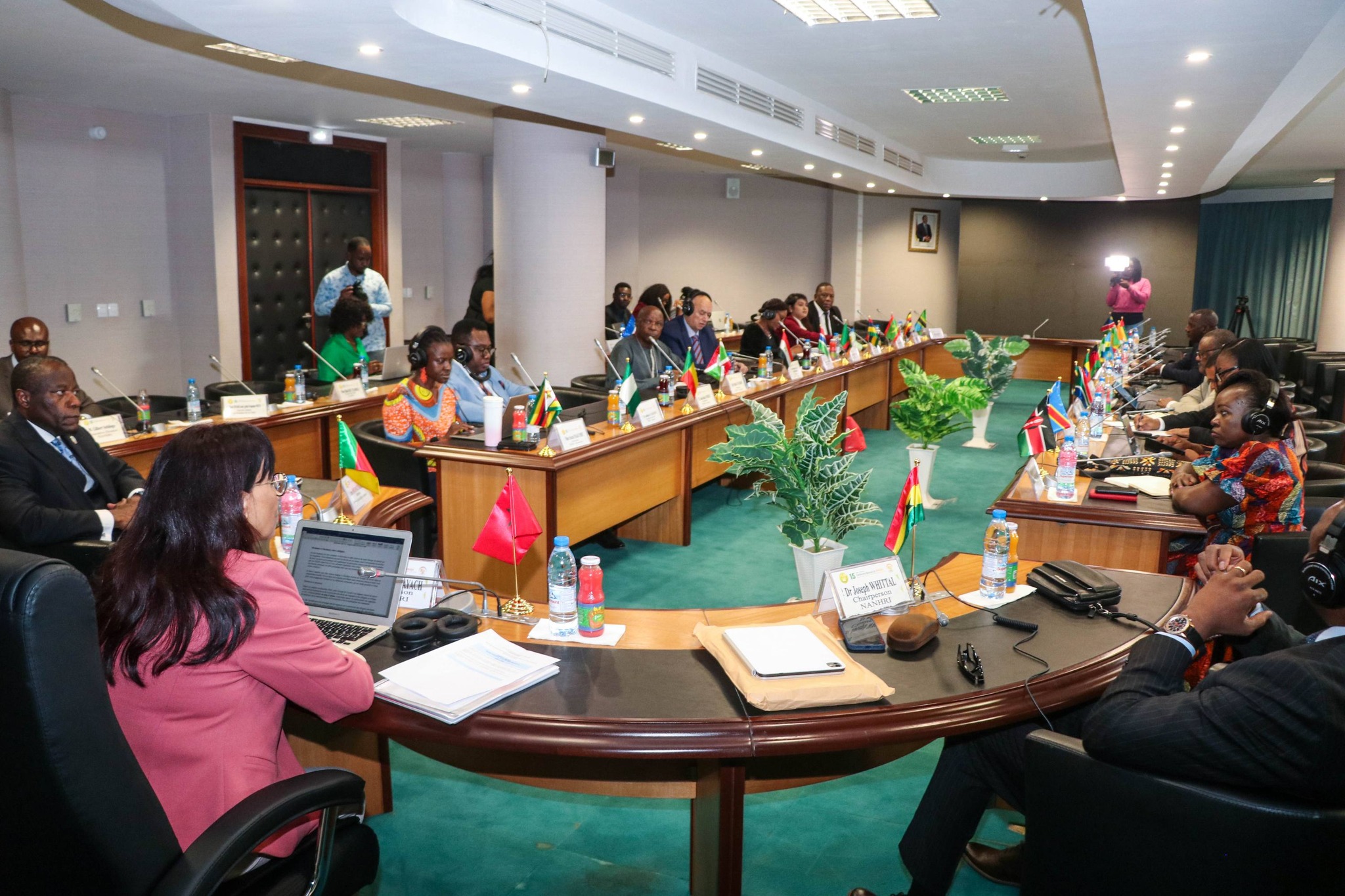
(LVDE) — For two days, the Cameroonian capital hosted the 15th Biennial Conference of the Network of African National Human Rights Institutions (RINADH), a major continental gathering dedicated to promoting African human rights instruments and jurisprudence, in a context marked by deep political, security, and social transformations across the continent.
On February 5 and 6, Yaoundé emerged as a genuine center for African reflection on human rights. Initiated by RINADH in partnership with the Cameroonian Human Rights Commission (CDHC), the 15th Biennial Conference brought together delegations from across Africa at the Economic and Social Council. Judges, national institution officials, parliamentarians, civil society actors, and technical partners shared analyses around a central theme: the uniqueness and operational scope of African human rights instruments and jurisprudence.
Far beyond a mere protocolary event, the meeting served as a strategic space to examine the role of National Human Rights Institutions (NHRIs) in addressing contemporary challenges. Security crises, political transitions, pressures on public freedoms, and increasing accountability demands framed the discussions. Participants stressed the need to move beyond a largely declarative approach to human rights and to anchor NHRI actions more firmly within existing African mechanisms.
The conference highlighted the normative richness of the African human rights system, often underrecognized or underutilized. The African Charter on Human and Peoples’ Rights, its additional protocols, and the jurisprudence of the African Commission and Court were presented as concrete levers for NHRIs to strengthen monitoring, advisory, strategic litigation, and advocacy functions. Several speakers emphasized the importance of better national-level ownership of these tools to enhance the effectiveness of recognized rights.
The event also provided an opportunity to build the capacities of participating institutions. Peer exchanges and expert contributions allowed for the sharing of innovative experiences, particularly in monitoring African recommendations and aligning regional norms with domestic legislation. According to organizers, the goal is to consolidate coherent and credible NHRI actions capable of exerting lasting influence on public policy.
Opening the ceremony, the Minister of Justice, representing the Prime Minister, highlighted the political significance of the conference. James Mouangué Kobila, president of the CDHC and newly appointed head of RINADH, emphasized that Africa possesses its own human rights legal corpus, grounded in its values, history, and social realities. He described African jurisprudence as a strategic asset that must now be translated into concrete action on the ground.
At the conclusion of these two intensive days, Yaoundé became, for 48 hours, a laboratory of ideas and solutions for a more assertive promotion of human rights “by and for Africa,” laying the groundwork for strengthened cooperation between national institutions and continental mechanisms.
Esther Grace
À propos de l'auteur








 Raphael Mforlem