DAIRY PRODUCTION : Cameroon sets target of 1.15 million tons by 2035

 La voix des entreprises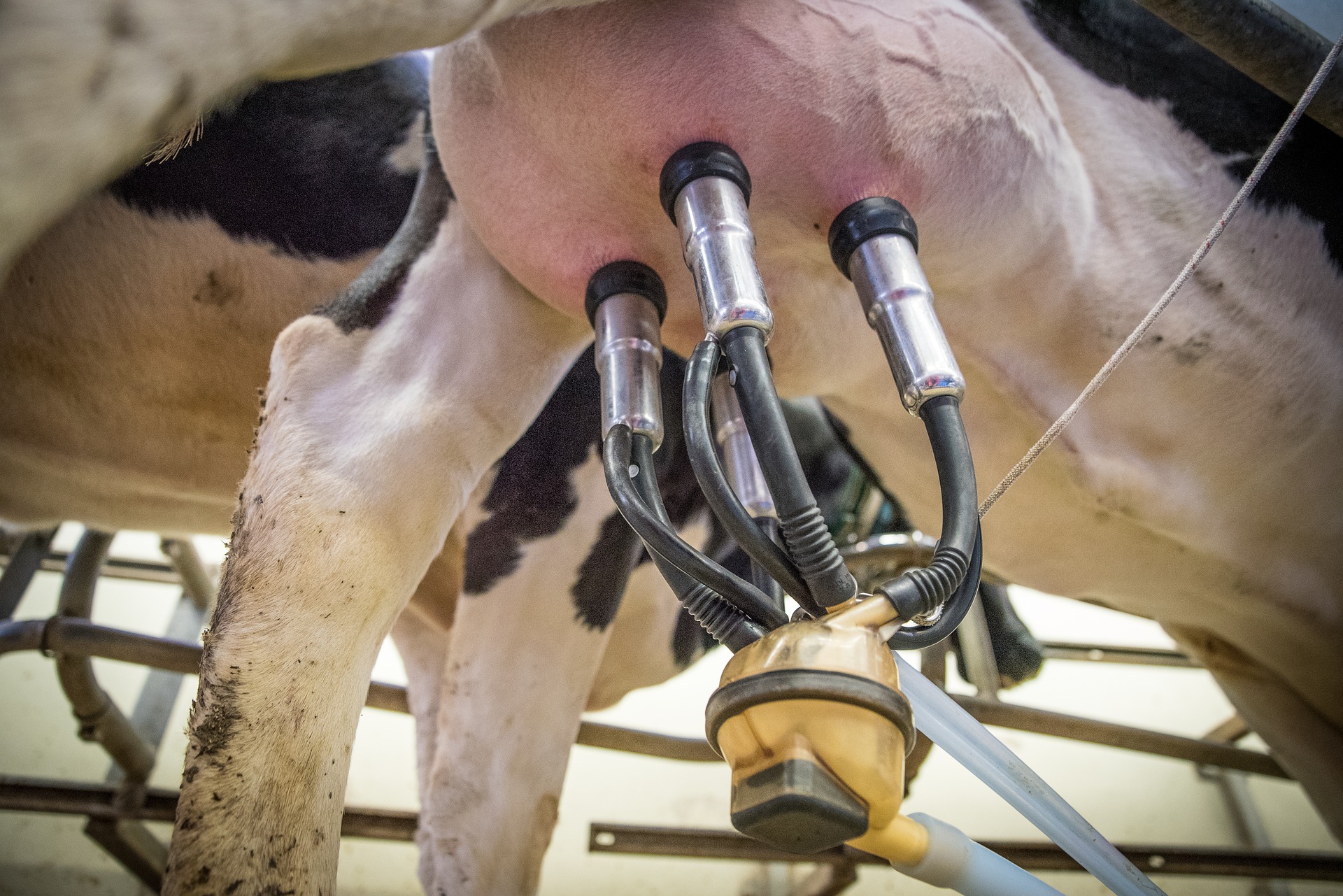
(LVDE) – As part of an ambitious CFAF 305.7 billion strategy, Cameroon aims to boost its annual dairy production to 1.15 million tons by 2035. This initiative has recently been reinforced through investments in modern equipment and financial partnerships, as highlighted by the Minister of Livestock during a ceremony in Yaoundé.
On September 23, 2025, Minister of Livestock, Taïga, unveiled in Yaoundé an ambitious project to transform dairy production in Cameroon. In a context where reliance on milk imports remains significant, the government has committed CFAF 305.7 billion (about USD 500 million) to reach an annual production target of 1.15 million tons by 2035.
Currently, national demand is estimated at 300,000 tons per year, while local production reached only 176,600 tons in 2023, leaving a deficit of over 120,000 tons. This gap is bridged through costly imports: last year, Cameroon spent CFAF 75.6 billion (about USD 124 million) on importing milk and dairy products, mainly powdered milk.
To address this, the government has launched a multi-year strategy that includes targeted investments across several areas: CFAF 111.5 billion for genetic improvement of livestock, CFAF 92.3 billion for animal health, and CFAF 72.7 billion for feed. The remaining funds will be allocated to processing, research, and sector governance.
The initiative also involves equipping farmers with modern tools. Milking machines, refrigerated tanks, and tractors have been distributed to improve working conditions and product quality. A financing partnership with Bange Bank has also been secured, giving farmers access to financial resources to support their activities.
A flagship project under this strategy is the construction of a new breeding center in Wakwa, in the Adamawa region. Scheduled to become operational this year, the center will have the capacity to produce 500 semen doses and 300 embryos annually, enabling artificial insemination for 276,000 cows. This effort is intended to increase yields and ensure higher-quality milk production.
The plan builds on earlier initiatives, such as the importation of 495 Montbéliarde heifers under the Prodel project, which was designed to boost sector productivity. In 2023, dairy production recorded a modest 2% increase, but the government warns that achieving the 1.15 million-ton target will require sustained investments and accelerated program implementation.
Cameroon is therefore firmly positioning itself toward a transformation of its dairy sector, with the dual ambition of reducing dependency on imports while meeting the growing needs of its population. This strategy could not only strengthen the local economy but also create jobs and enhance food security across the country.
Esther Grace
À propos de l'auteur







 Raphael Mforlem