

CAMEROON : As Production Declines, Palm Oil Imports Double

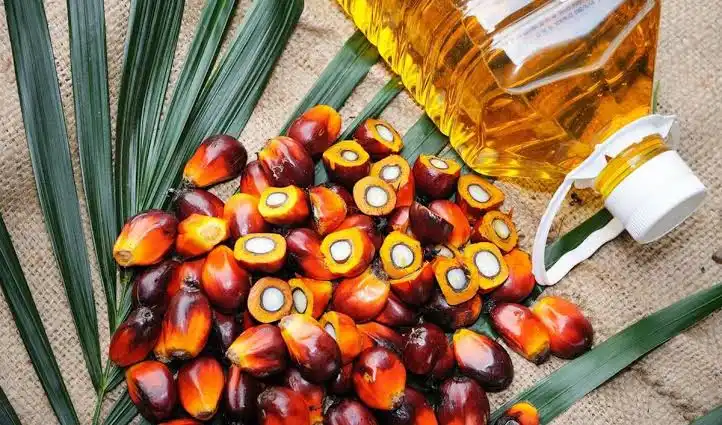
(LVDE) — In Cameroon, the palm oil sector is facing an intense debate amid a persistent structural deficit that has driven imports back onto a growth trajectory. Between declining domestic production and rising demand, foreign purchases reached a high level during the first nine months of the fiscal year, highlighting ongoing challenges related to food and industrial sovereignty.
As national palm oil production struggles to keep pace with domestic demand, Cameroon has seen the value of its palm oil imports double over the first nine months of the year, reaching approximately CFA 51 billion. This increase follows a downturn in local production, despite temporary improvements observed in certain segments of the value chain, according to official data and sector analyses.
In 2024, national crude palm oil production reached nearly 447,000 tons, marking growth of about 11.7% compared to 2023, according to Prime Minister Joseph Dion Ngute. However, this level remained far below domestic market needs, estimated at more than one million tons per year. This chronic shortfall generates a structural deficit estimated at over 500,000 tons annually.
In response, a strategy implemented in recent years — notably through the creation of the Interprofessional Association Interpalm-Cam and a recovery plan backed by nearly CFA 21.7 billion — aimed to strengthen production chains and reduce external dependence. Despite these efforts, locally available volumes remain insufficient to meet the growing needs of food industries, processors, and consumers, forcing the country to turn once again to international markets.
The recent surge in imports reflects this imbalance. After a marked decline in 2024 — when foreign purchases fell to their lowest level since 2021, at around 68,719 tons — import volumes rebounded in the early months of 2025 to offset the shortfall in domestic output. This recovery has pushed up the external bill, now exceeding CFA 51 billion over nine months, raising concerns for public finances and the trade balance.
Industry stakeholders, including major plantations and processing companies such as Socapalm, Cameroon Development Corporation (CDC), and Pamol Plantations Plc, note that the gap between production and demand has widened due to several factors: temporary yield declines, aging plantations, and still fragile logistics for transporting harvests to processing mills. These technical constraints weigh on the sector’s competitiveness compared with imported oils, which are often more stable in supply and cheaper in the short term.
On the government’s side, projects aimed at increasing self-sufficiency are underway, including investments to build new processing plants and modernize existing facilities. A key component of this strategy is the recently presented Economic and Financial Plan, which seeks to increase palm oil production by an additional 20,500 tons in 2026 in order to gradually reduce reliance on imports.
For sector observers, the current trend underscores a lasting challenge: how to meet rapidly growing domestic demand while stabilizing revenues and easing pressure on both consumers’ purchasing power and the trade balance. The contraction of imports in 2024 had raised hopes of a turnaround, but the rebound in purchases shows that the sector still has several milestones to reach before achieving self-sufficiency.
Raphael Mforlem


 Esther Grâce
 La voix des entreprises