


CAMEROON : Cocoa prices fall back below CFA 2,000 per kilogram at Douala shipment point

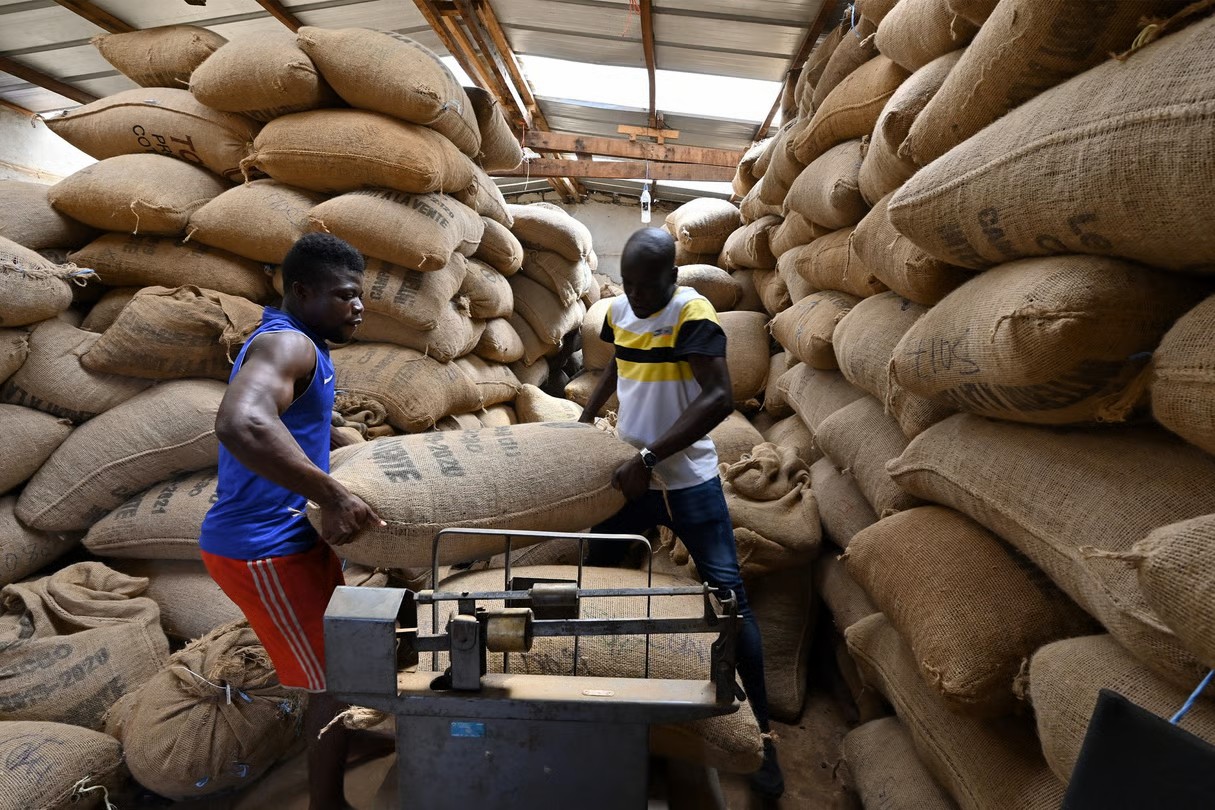
(LVDE) — As the dry season reaches its peak and producers were hoping for stronger prices, the cost of cocoa beans at shipment through the Port of Douala has dropped to between CFA 1,800 and CFA 1,950 per kilogram. This decline is raising concerns among farmers and public authorities alike over the outlook for the 2025–2026 cocoa season.
Douala has once again become the focal point of a downward trend in cocoa prices. On 5 February 2026, a kilogram of cocoa beans at the shipment point was trading between CFA 1,800 and CFA 1,950, according to the Commodities Information System (SIF) managed by the National Cocoa and Coffee Board (ONCC). This represents a fall of CFA 200 to CFA 300 compared with prices recorded over the previous two weeks, pushing cocoa back below the symbolic CFA 2,000-per-kilogram threshold, closely watched by all stakeholders, from farmers to exporters.
On the ground, the decline is being felt directly in production areas. Farmers, who had anticipated a rebound in prices with the onset of the dry season in December 2025, are now facing a tighter market than expected. Traditionally, this period signals the end of price discounts applied by buyers to offset higher logistics costs, particularly those linked to poor road conditions during the rainy season. This year, however, the expected adjustments have not been sufficient to support average farmgate prices.
Government projections are also being put to the test. Authorities are targeting producer prices ranging from CFA 3,200 to CFA 5,400 per kilogram for the 2025–2026 season, well above current export-level prices. The pressure on local purchasing prices comes at a time when cocoa has become a strategic pillar of Cameroon’s economy. The sector has experienced rapid growth in recent years: during the 2022–2023 season, prices climbed as high as CFA 6,000 per kilogram, and in the first quarter of 2025 cocoa overtook hydrocarbons to become the country’s leading source of export revenue. According to the National Institute of Statistics (INS), cocoa generated CFA 500.3 billion, accounting for 44.8% of total export earnings.
The current situation highlights the volatility of the cocoa sector and underscores the need for close monitoring of price trends. Industry players are calling for stronger dialogue among producers, exporters and public authorities to secure farmers’ incomes while preserving the competitiveness of Cameroonian cocoa on international markets. The country’s ability to strike this balance will be crucial to the sector’s stability and to the consolidation of export revenues in the months ahead. Sorelle Ninguem


 Esther Grâce
 La voix des entreprises