

CAMEROON – TIMBER SECTOR : Overseas sales plunge by 17% in the first half of 2025

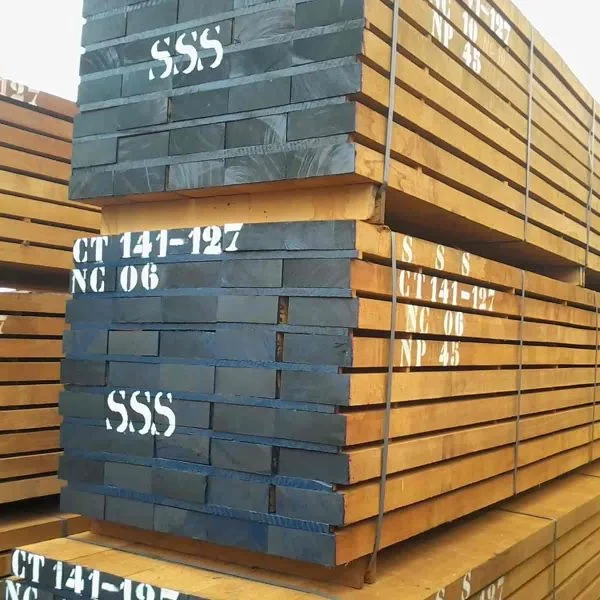
(LVDE) — In the first half of 2025, Cameroon’s overseas sales of forest products recorded a sharp decline, weakening one of the country’s historic export sectors. Facing tax pressures, softer international demand and structural shortcomings, the timber industry is seeing its financial contribution erode, despite support measures and potential diversification opportunities.
According to the latest official data compiled by Cameroon’s Ministry of Finance and relayed by several economic sources, exports of forest products reached CFAF 100.3 billion in the first half of 2025, representing a drop of about 17% compared with the same period in 2024. This contraction reflects a combination of factors, notably lower export volumes of processed wood and logs, as well as less favorable prices on certain international markets.
Official statistics and sector reports show that external demand for tropical forest products—particularly sawn timber from species such as iroko, sapelli and doussié—was weaker than in previous periods, despite a slight recovery in trade with some European partners toward the end of 2025.
At the same time, log exports—which typically play a more peripheral role in total export revenues—experienced fluctuations, partly supported by higher volumes, but not enough to offset the decline in processed and semi-finished wood products.
This subdued performance comes at a time when the Cameroonian government has introduced deterrent tax measures aimed at encouraging local processing and reducing the export of raw timber. Between 2017 and 2024, export duties on logs were increased from 17.5% to 75% of FOB value, while taxes on sawn wood were also significantly raised, reshaping profitability structures for sector operators.
This shift in the fiscal and commercial landscape has produced mixed effects. On the one hand, it has encouraged some companies to invest in deeper processing and capture greater value added. On the other hand, it has reduced the competitiveness of Cameroonian tropical timber on traditional markets, particularly in Asia and Europe, where competition is intense and market access rules are becoming increasingly stringent.
The sector itself is characterized by a wide range of players, from large formal companies operating under legal permits to a sizeable and poorly documented informal segment. According to some estimates, this informality accounts for more than 80% of domestic consumption, making it difficult to obtain comprehensive data on actual export volumes and revenues.
In the economic capital Douala, several wood-processing companies have developed integrated value chains, from logging to the production of sawn timber and panels. Although the specific names of major forestry companies are not systematically disclosed in official reports, internationally and regionally recognized groups—often operating in partnership with local operators—continue to hold the bulk of sustainable logging licenses. The main species processed include sapelli, iroko, fraké and doussié.
Beyond tax pressures, the timber industry is also affected by the rise of illegal logging and informal trade. According to observers and specialized NGOs, these activities fuel cross-border networks that exploit weaknesses in monitoring and traceability systems. The result is significant fiscal losses for the State and a setback to efforts aimed at sustainable forest management.
In response to this challenging environment, authorities have recently introduced measures to promote more responsible forestry practices, including tax incentives for companies certified in sustainable management, with royalty reductions ranging from 25% to 35% depending on the level of environmental compliance.
At the international level, some markets still offer growth potential, particularly for processed tropical timber in certain parts of Europe and Asia, although demand remains volatile and subject to strict regulatory changes.
At present, the erosion of revenues from Cameroon’s timber trade highlights both the challenges facing a sector constrained by major policy choices and the urgency of a more integrated strategy that combines resource protection, high–value-added local processing and access to diversified markets. Without rapid adaptation to these challenges—and without stronger structuring of formal forestry operators—the sector risks continuing to lose weight in the national trade balance, even as it remains a historic pillar of the country’s export economy.
Raphael Mforlem

 La voix des entreprises
 Esther Grâce